
24/7 Customer Support

Free returns

Same-day & Next-day Delivery

Quality Guaranteed

Unlock Your Welcome Offers: FREE Delivery | Up to 80% OFF | Free 30-day JoyPlus trial
Download the APP
There are few kitchen disappointments as sharp as pulling a pastry case from the oven, only to find its once-proud sides have slumped into a shrunken, sorry state. You followed the recipe, you chilled the dough, yet you're left with a shallow crust and the looming threat of a 'soggy bottom'. This is a common frustration for home bakers across the UK, but it is entirely preventable with the right technique and tools.
The secret lies in a process called blind baking, and the key tool for success is a set of reliable baking beans or pastry weights. However, navigating the options and avoiding common pitfalls can be tricky. Many bakers waste time and money on makeshift solutions or inadequate products that fail to deliver that coveted crisp, stable pastry shell.
Before investing in a solution, it's useful to understand the traps that lead to poor results. Many bakers fall for these, only to end up with the very problems they were trying to avoid.
To achieve a perfectly crisp tart case for your quiche, lemon meringue pie or chocolate tart, you need a tool designed for the job. Here are the core parameters to consider before you buy.
The material of your blind baking weights directly impacts the final texture of your pastry.
The shape and size of the weights matter for ensuring even pressure.
A typical 700g container of ceramic beans is generally sufficient to fill a standard 23cm to 25cm round tart tin, providing enough weight to hold the structure perfectly.
While baking beans are the hero tool for blind baking, achieving the perfect pastry is a process. We've matched some essential tools from our cooking and baking utensils collection to different types of home bakers.
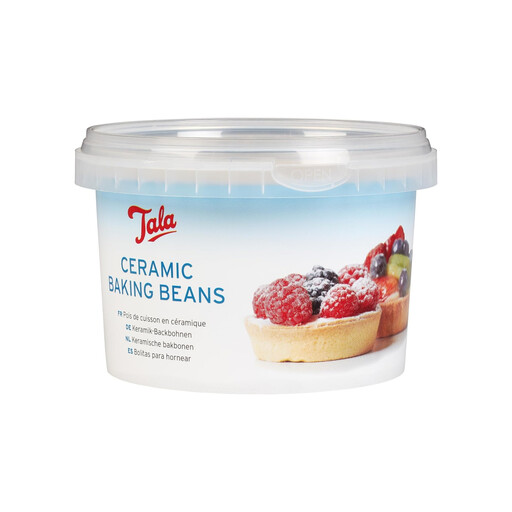
Why This Fits Their Persona: This baker is focused on solving the core problem. They want the dedicated, correct tool to eliminate shrunken, soggy pastry for good and are looking for a reliable, long-term solution from a trusted brand like Tala baking beans.
Directly replaces unreliable DIY weights like rice, which can scorch. The ceramic material provides even heat for a crisp base, and the 700g quantity offers sufficient weight to prevent shrinkage.
Made from heat-resistant ceramic for superior heat distribution. Fully reusable, making them an economical and sustainable choice for countless bakes.
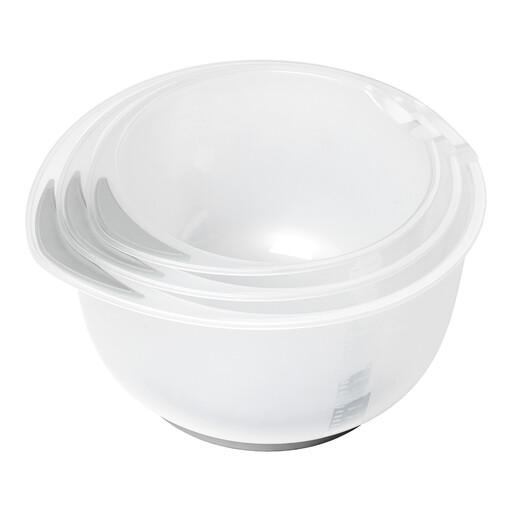
Why This Fits Their Persona: This baker knows that a great pastry case starts with a perfectly made dough. They value practical, no-fuss tools that make the preparation stage cleaner, easier and more consistent.
Avoids the frustration of a mixing bowl sliding across the counter during vigorous mixing. The non-slip base provides stability, which is essential when incorporating butter into flour for pastry.
Features a non-slip base for stability and a nesting design for compact, space-saving storage. The set of three sizes covers a range of baking tasks.
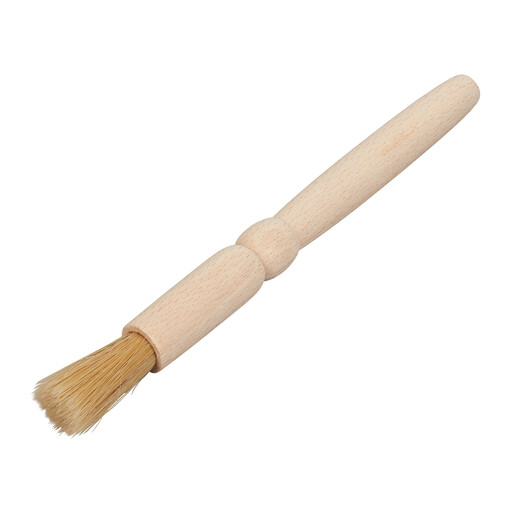
Why This Fits Their Persona: This baker understands that details matter. After perfectly blind baking the case, they want to apply an even egg wash for a professional, golden-brown finish without damaging the delicate pastry.
Prevents a clumsy, uneven application of egg wash or glazes. The natural bristles are gentle on the pastry surface and provide controlled, even coverage for a flawless finish.
Crafted from FSC-certified wood, reflecting a commitment to sustainability. The natural bristles are ideal for applying delicate glazes without tearing the dough.
We have compiled a complete, real-time list of products that fully satisfy these strict selection criteria and UK safety regulations.
While many households use dried rice or pulses as a substitute, this is often a false economy. These items are not designed to conduct heat evenly and can scorch, potentially tainting your pastry. For consistent, reliable results, a set of dedicated, reusable baking beans made from ceramic is a worthwhile addition to any baker's toolkit.
This depends on the size of your tart tin, but a standard 700g tub is typically sufficient for most pies and tarts up to 25cm (10 inches) in diameter. The key is to have enough beans to fill the parchment-lined case completely, ensuring the weights apply even pressure to the base and fully support the sides.
Shrinkage is caused by the gluten in the flour tightening and the fat melting too quickly. To prevent it, follow these three golden rules: