
24/7 Customer Support

Free returns

Same-day & Next-day Delivery

Quality Guaranteed

Unlock Your Welcome Offers: FREE Delivery | Up to 80% OFF | Free 30-day JoyPlus trial
Download the APP
Choosing the right baking flour can feel like a simple task, but selecting the wrong type is often the hidden reason behind a flat cake, a dense loaf or a crumbly biscuit. With shelves full of different bags, it is easy to grab one that looks right, only to be disappointed with the results. As your Joybuy Product Recommendation Officer, my role is to help you navigate these choices and find the right flour for your pantry, without the fuss.
Many home bakers fall into a few common traps. The first is believing that one type of flour works for all recipes. Using a low-protein flour meant for delicate cakes to bake a crusty sourdough loaf will inevitably lead to a poor structure. Another frequent pitfall is overlooking the importance of protein content, which is the primary factor determining a flour's behaviour. Finally, many assume all specialised flours, like gluten-free blends, are interchangeable, when in fact their compositions can vary significantly, requiring different handling and liquid ratios.
To avoid these issues, it is helpful to understand a few key characteristics before you buy. Focusing on these will ensure your baking projects start with the correct foundation.
The most critical factor is the type of flour, which is directly related to its protein (gluten) content. This determines the texture and structure of your final bake.
Allinson's bread flour or similar high-protein options.Consider how frequently you bake. A casual baker might only need a 1kg bag, whereas a dedicated enthusiast may benefit from buying bulk flour to ensure they are always stocked up. Flour should be stored in a cool, dry place. Once opened, transferring it to an airtight container is the most effective way to protect it from moisture and pests, preserving its freshness for longer.
In the UK, most wheat flour (excluding wholemeal) is legally required to be fortified with calcium, iron, niacin (B3) and thiamin (B1). This adds nutritional value but does not affect baking performance. The key additives to note are the raising agents in self raising flour, which save you the step of adding baking powder separately.
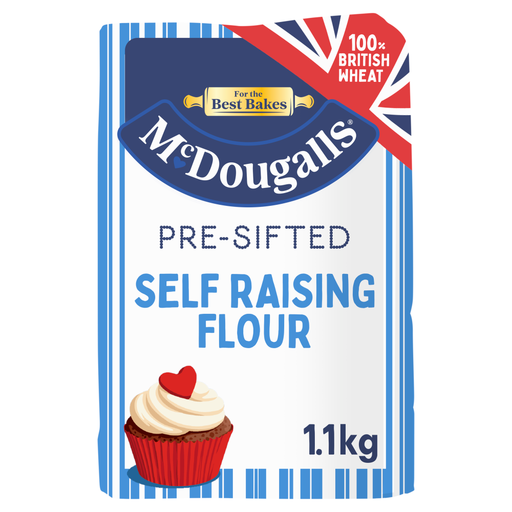
Why This Fits Their Persona: This is a reliable pantry staple for those who regularly bake classic British cakes, scones and muffins. The convenience of pre-mixed raising agents makes it ideal for quick and consistent results without needing extra ingredients.
It directly solves the "one-size-fits-all" problem for cake bakers by providing the correct formulation specifically for light, airy bakes, removing the guesswork of adding raising agents to plain flour.
Contains pre-sifted flour with raising agents for a consistent rise. Milled from British wheat by a long-standing brand.
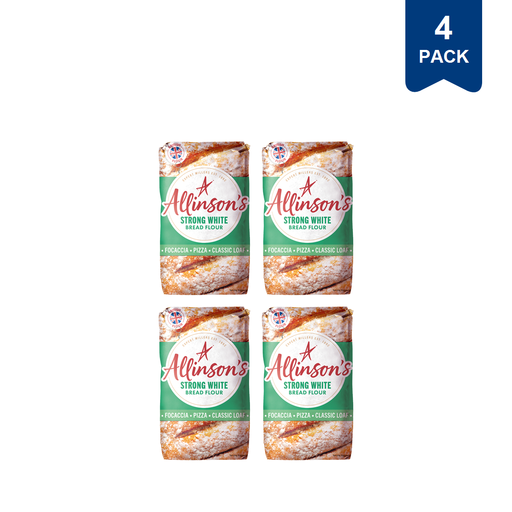
Why This Fits Their Persona: For the baker dedicated to achieving a perfect crust and chewy crumb, a high-protein flour is non-negotiable. This flour is specifically milled for bread making, providing the gluten strength needed for a great rise and texture in loaves and pizza dough.
This avoids the pitfall of using a low-protein plain flour for bread. Its 12g protein per 100g is clearly stated, ensuring the user gets the necessary gluten development that plain flour cannot provide.
High protein content for excellent structure and rise. The 4-pack option is convenient for frequent bakers looking to stock their pantry.
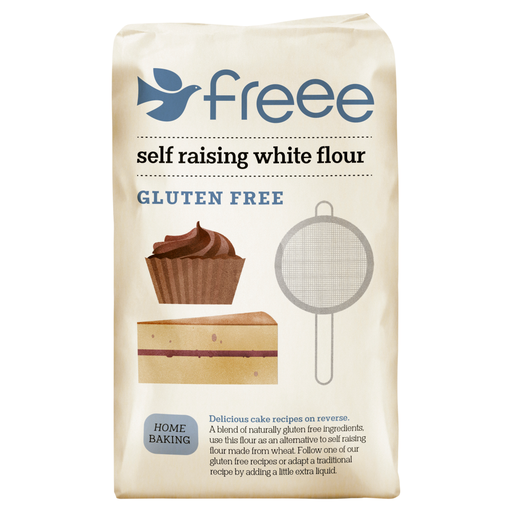
Why This Fits Their Persona: For individuals with coeliac disease or a gluten intolerance, a certified and reliable flour blend is essential. This product is specifically formulated as a direct replacement for wheat-based self-raising flour, making it easier to adapt traditional recipes.
It counters the trap of assuming all gluten-free flours are the same. This blend includes raising agents and xanthan gum, a crucial thickener that provides the structure gluten normally would, ensuring a better bake.
Certified by Coeliac UK for peace of mind. The blend of rice, potato, tapioca, maize and buckwheat flour provides a balanced profile for cakes and scones.
We have compiled a complete, real-time list of products that fully satisfy these strict selection criteria and UK safety regulations.
1. Can I substitute plain flour for self-raising flour? Yes, you can, but you will need to add a raising agent. A general rule of thumb is to add 2 teaspoons of baking powder for every 150g of plain flour. Sift them together to ensure the raising agent is evenly distributed.
2. How should I store my baking flour to keep it fresh? Flour's main enemies are moisture, heat and pests. Store it in a cool, dry cupboard away from direct sunlight. After opening the paper bag, it is highly recommended to transfer the flour to an airtight container made of glass, plastic or metal. This will significantly extend its shelf life and prevent it from absorbing odours.
3. What does "strong" or "very strong" mean for bread flour? The term "strong" refers to the flour's protein content. Strong bread flour has a higher protein level (around 12-14%) than plain flour. This protein forms gluten when mixed with water, creating a strong, elastic dough that can trap the gas produced by yeast. This results in a well-risen loaf with a satisfyingly chewy texture. "Very strong" flour simply indicates an even higher protein percentage, often preferred for particularly dense grains or artisan-style breads.