
24/7 Customer Support

Free returns

Same-day & Next-day Delivery

Quality Guaranteed

Unlock Your Welcome Offers: FREE Delivery | Up to 80% OFF | Free 30-day JoyPlus trial
Download the APP
From a simple Victoria sponge to a rustic sourdough loaf, the right baking flour is the foundation of any successful creation in the kitchen. Yet, when you try to buy flour online, the sheer variety can be overwhelming. Plain, self-raising, strong, gluten-free—each has a specific job. Choosing incorrectly is a common misstep that can lead to disappointing results and wasted ingredients. This guide will help you navigate the options and select the right flour for your needs, avoiding the common pitfalls.
Before we explore the different types, let's address the frequent traps UK home bakers fall into:
To ensure your home baking ingredients are fit for purpose, pay attention to these core parameters.
The protein content in wheat flour determines its gluten-forming potential. Gluten is the network of proteins that gives dough its elasticity and structure.
This is one of the most fundamental distinctions for any baker.
Starches are crucial for thickening and texture, particularly in gluten-free cooking.
We've matched some reliable flour options to common home-baking needs.
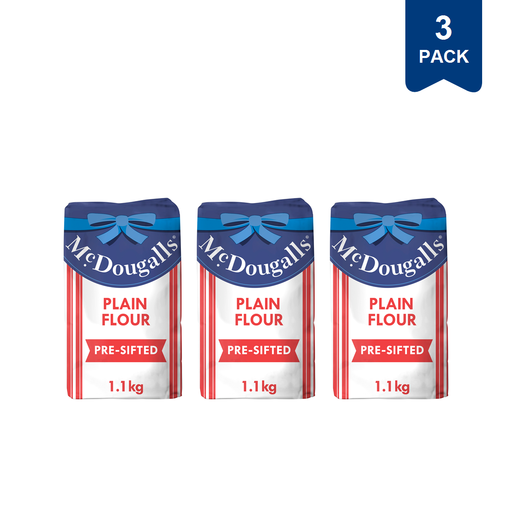
Why This Fits Their Persona: This is a reliable workhorse for the baker who makes a bit of everything. It's a quality plain flour suitable for cakes, biscuits, pastries and thickening sauces. This multi-pack is ideal for keeping the pantry stocked and ready for any baking project.
It avoids the "one-flour-fits-all" trap by being a clearly defined, versatile plain flour. It doesn't pretend to be a specialist bread flour, ensuring you know exactly what you're getting for general baking tasks.
Pre-sifted for a lighter, more consistent result with less fuss. Available as a bulk flour option for convenience and value.
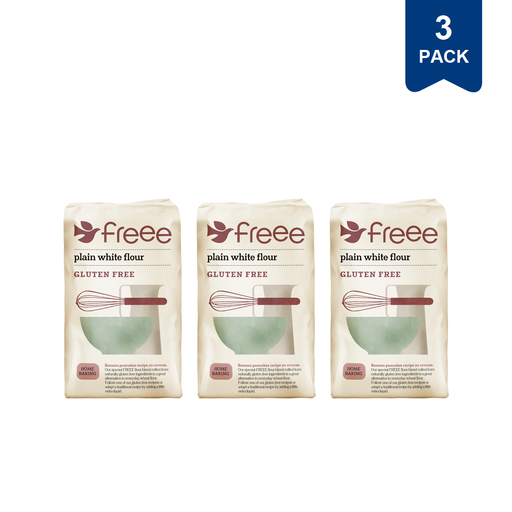
Why This Fits Their Persona: For anyone with coeliac disease or a gluten intolerance, this flour is a pantry essential. It's specifically formulated to be a versatile alternative to wheat flour, making it easier to adapt standard recipes for gluten-free diets.
This product directly solves the problem of crumbly, dry results from using single-ingredient gluten-free flours. Its blend of rice, potato, tapioca, maize and buckwheat provides a balanced structure for better bakes.
A carefully developed blend designed for consistent results. It is also free from many other common allergens, not just gluten.
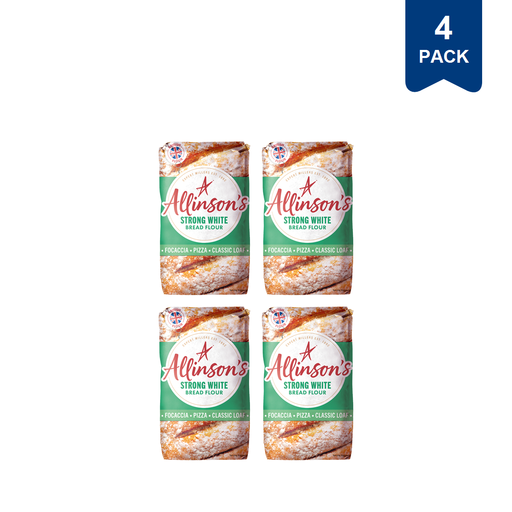
Why This Fits Their Persona: For those passionate about baking their own bread, this is the correct tool for the job. Its high protein content is non-negotiable for developing the strong gluten structure required for a well-risen, chewy loaf, whether made by hand or in a machine.
This is a specialist strong bread flour, not a general-purpose one. It prevents the disappointment of a flat, dense loaf that comes from using a flour with insufficient protein for bread making.
High protein content (12g per 100g) for superior gluten development and a great rise. The multi-pack is convenient for frequent bakers.
We have compiled a complete, real-time list of products that fully satisfy these strict selection criteria and UK safety regulations.
Yes, it's quite simple. To make your own self raising flour, just add 2 teaspoons of baking powder for every 150g of plain flour. Sift them together thoroughly to ensure the raising agent is evenly distributed.
In the United Kingdom, the terms cornflour and corn starch are used interchangeably to refer to the very fine, white starch powder derived from the maize (corn) kernel. This is different from the usage in the United States, where "cornflour" can sometimes refer to finely ground cornmeal, which has a different texture and use. For UK recipes, they are the same product.
To maintain freshness and prevent pests, flour should be stored correctly. Transfer your bulk flour from its paper bag into a large, airtight container. Keep it in a cool, dark and dry place like a pantry or cupboard. For very long-term storage, you can even store flour in the freezer, which will protect it from humidity and pests indefinitely.