
24/7 Customer Support

Free returns

Same-day & Next-day Delivery

Quality Guaranteed

Unlock Your Welcome Offers: FREE Delivery | Up to 80% OFF | Free 30-day JoyPlus trial
Download the APP
Choosing between baking moulds and craft cutting dies can look straightforward until a mould flexes out of shape, a cake sticks to the surface or a cutting die does not fit your machine. Marketing descriptions often focus on colour, novelty shapes and large piece counts, while the details that affect everyday use are easier to miss.
Whether you are preparing birthday treats, making chocolates, decorating celebration cakes or creating handmade cards, check the following points before buying.
A brightly coloured silicone mould may look appealing, but colour does not indicate heat resistance, flexibility or food-contact suitability. Check the material, maximum temperature and intended appliance instead. A mould designed for an oven may not be suitable for a hob, grill or open flame.
For craft products, a decorative image does not confirm compatibility. Metal cutting dies are generally used with a compatible die-cutting or embossing machine, but the die size, material thickness and machine requirements still need checking.
Non-stick silicone bakeware can support easier release, but results also depend on the recipe, temperature and cooling time. Very soft mixtures, caramel and chocolate may still need careful handling. Placing flexible silicone on a firm baking tray is particularly useful when moving a filled mould into or out of the oven.
Allowing baked goods to cool fully before demoulding can also help preserve details and reduce breakage.
Deep grooves, narrow corners and fine embossed patterns can retain batter, chocolate or paper fibres. A product described as dishwasher safe may still benefit from gentle cleaning, especially where colour, coatings or fine edges are involved.
Avoid metal utensils on silicone surfaces and store craft dies dry to help reduce corrosion. Small dies should also be kept away from young children because of their sharp cutting edges.
For home baking, food-grade silicone is flexible and commonly used for cake, chocolate, jelly and frozen dessert moulds. The temperature limit must be clear. For example, several products below specify a maximum of 230°C, while the Maison by Premier Pastel Blue Pie or Flan Mould lists 220°C.
Do not treat a temperature rating as permission for every cooking method. The supplied instructions for the featured silicone moulds specify oven use, with some products also suitable for microwave, freezer or dishwasher use. They are not stated as suitable for stovetops or open flames.
Metal cutting dies are different: they are intended for paper craft rather than direct food contact. Look for a clear description of the intended use, such as card-making dies, scrapbooking dies or embossing stencils.
Dimensions affect both your finished design and whether the product fits your oven, storage drawer or die-cutting machine. A 30cm pie or flan mould may require a larger baking tray, while a compact butterfly mould may suit individual portions and themed parties.
Check:
Cake pop moulds deserve particular attention because cavity count does not always equal the number of complete cake pops. The Essentials by Premier 20 Mould and 40 Sticks Cake Pop Mould includes 20 mould spaces and 40 polypropylene sticks, allowing the sticks to be used for serving or in paired preparation.
Raised fluted sides can create attractive pastry edges, but they may require more careful cleaning than a smooth-sided cake tin. Integrated handles can help when transporting a filled mould, although a flexible silicone tray should still be supported underneath.
For craft dies, inspect the pattern complexity and cutting edge. Fine designs may create detailed card-making or scrapbooking results, but they can also require more careful paper removal. Use paper suitable for the machine and avoid forcing a die through an incompatible setup.
The following selection covers different shopping priorities, from occasional baking to specialist paper crafts and confectionery.
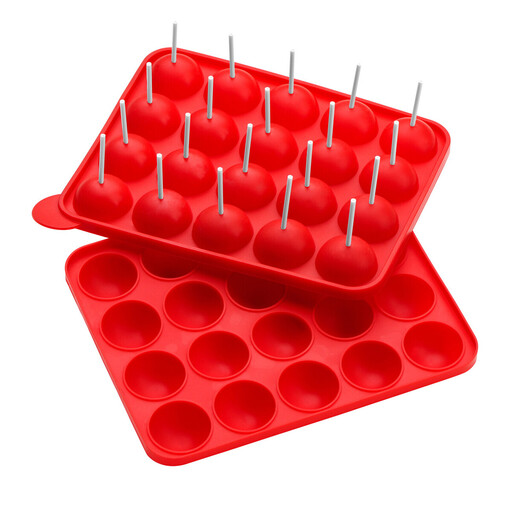
Why This Fits Their Persona: A practical choice for first-time cake pop makers, family baking and children’s party preparation, with 20 mould spaces and 40 sticks included.
The stated 230°C heat limit, non-stick silicone and stable-surface warning provide more useful buying information than the colour or novelty shape alone.
Non-stick silicone; suitable for oven, microwave, fridge and freezer use according to the product description; includes 40 polypropylene sticks.
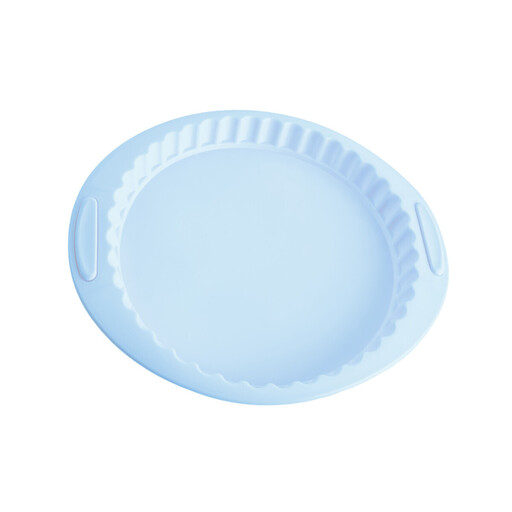
Why This Fits Their Persona: Suits bakers who want a single round mould for pies, flans and decorative desserts, with handles for moving it safely between worktop and oven.
Its 30cm by 27cm footprint and 220°C limit are clearly listed, helping shoppers check oven space and recipe temperatures before ordering.
Food-grade platinum silicone; raised fluted sides; integrated handles; non-stick surface described for easier release.
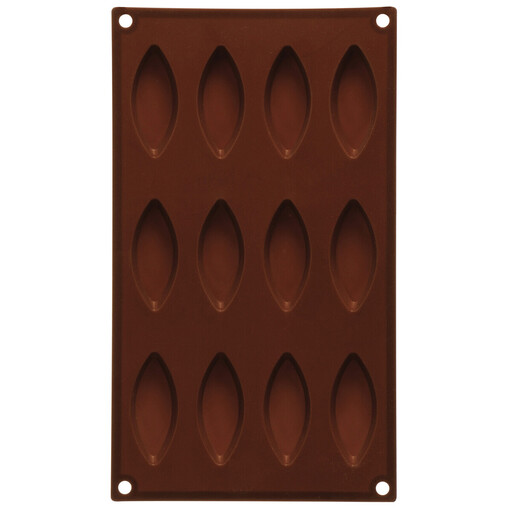
Why This Fits Their Persona: Designed for makers preparing chocolates, sweets, jellies or chilled treats for gifts, celebrations and family activities.
The listing identifies microwave, freezer and dishwasher suitability, rather than leaving buyers to infer that all silicone products support these uses.
12-cavity design; flexible brown silicone; stated 230°C heat resistance; suitable for hot and cold applications.
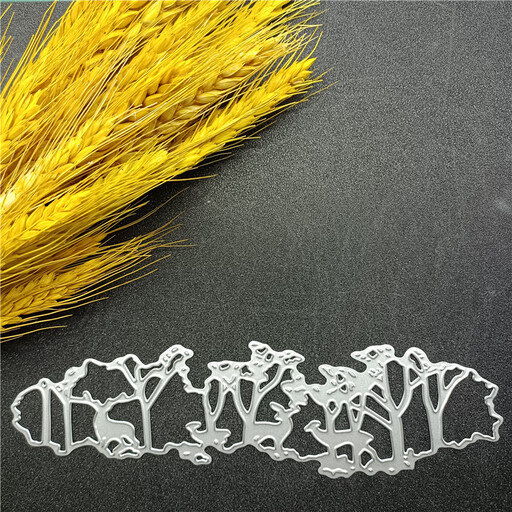
Why This Fits Their Persona: A focused option for card makers, scrapbookers and DIY paper-craft users creating repeatable decorative shapes or embossed details.
The product is clearly positioned as a metal template for paper, albums, cards and DIY craft, reducing the risk of confusing it with a food-safe baking mould.
Metal die format for paper craft; suitable for card making, scrapbooking, albums and decorative DIY projects.
We have compiled a complete, real-time list of products that fully satisfy these strict selection criteria and UK safety regulations.
No. Check the individual temperature rating and usage instructions. Some silicone cake moulds are oven safe up to 230°C, while others have a lower limit. They should not be used on a stovetop, under a grill or over an open flame unless the manufacturer specifically states otherwise.
A non-stick surface may reduce the need for greasing, but recipe ingredients and the shape of the mould still affect release. A light coating can be useful for delicate pastry or intricate fluted sides. Always cool the bake before removing it.
Most metal cutting dies require a compatible die-cutting or embossing machine to apply pressure. Check the product dimensions and your machine’s approved materials before buying. Embossing stencils and paper craft dies may produce different effects, so select the format that matches your intended project.