
24/7 Customer Support

Free returns

Same-day & Next-day Delivery

Quality Guaranteed

Unlock Your Welcome Offers: FREE Delivery | Up to 80% OFF | Free 30-day JoyPlus trial
Download the APP
From a simple weekend sponge to elaborate birthday creations, the right baking moulds are the foundation of any successful bake. Yet, the market is flooded with options that can look promising but ultimately lead to frustration. A tin that warps, a coating that flakes or a silicone mould so flimsy it spills batter on its way to the oven are common issues. As the Joybuy Product Recommendation Officer, my role is to help you navigate these choices and find bakeware that performs reliably, so you can focus on the joy of baking.
Before you add another item to your kitchen cupboard, let's look at the frequent pitfalls that catch out many UK home bakers.
To avoid these issues, it helps to understand what to look for. Focusing on two key parameters—material and construction—will ensure you select bakeware that lasts.
The material of your mould dictates how it heats, how it releases the cake and how it should be cared for.
Carbon Steel Cake Tins: This is the workhorse material for traditional baking. Carbon steel cake tins are prized for their durability and excellent heat conductivity. This means heat spreads quickly and evenly across the base and sides, resulting in a consistent bake with uniform browning. They are ideal for sponges, fruit cakes and bread baked in a loaf tin. When choosing non-stick bakeware made from carbon steel, look for information on the quality and durability of the coating to ensure longevity.
Silicone Cake Moulds: The primary advantage of silicone is its flexibility, which allows for the easy release of baked goods, especially those with intricate details. This makes it a superb choice for a cake pop mould kit, detailed chocolate moulds or a multi-cavity muffin tray. Quality food-grade silicone is heat-resistant, freezer-safe and often dishwasher-safe, offering great convenience. Always place silicone moulds on a solid baking sheet before filling to provide stability.
Beyond the base material, small design details can make a significant difference in usability and performance.
To help you match the right product to your needs, here are a few recommendations for different types of bakers.
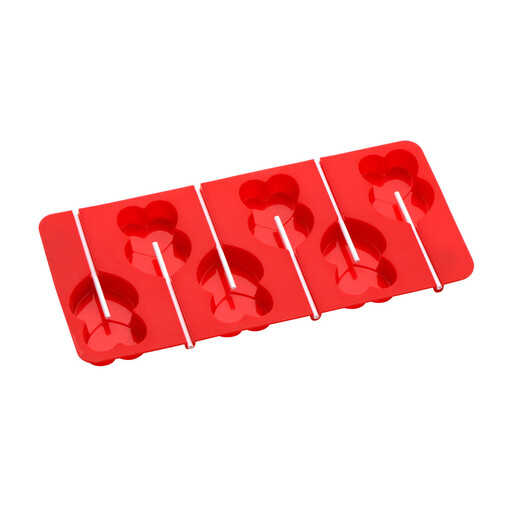
Why This Fits Their Persona: This cake pop mould kit is ideal for creating fun, bite-sized treats for children's parties, bake sales or family gatherings. Its simple, non-stick design makes it a forgiving and enjoyable tool for baking with kids.
It sidesteps the "single-use novelty" trap by being a go-to for any celebration. The flexible, non-stick silicone ensures treats release perfectly, avoiding the frustration of broken cakes and a difficult clean-up.
The non-stick silicone is easy to use and clean. It is also freezer and microwave safe, offering versatility for preparing and storing treats ahead of time.
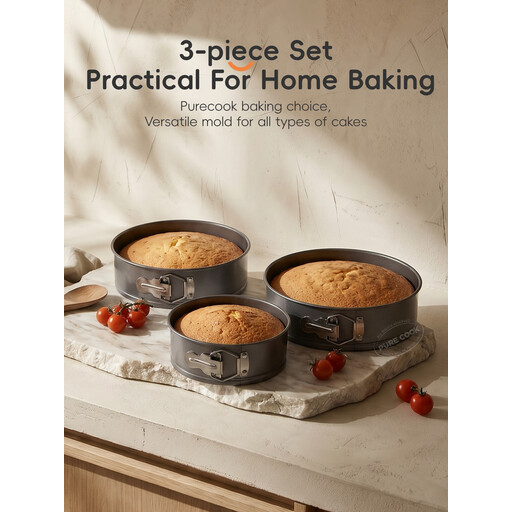
Why This Fits Their Persona: For someone who bakes regularly, a versatile and durable set is essential. This 3-piece round cake tin set covers the most common sizes for layer cakes, cheesecakes and sponges, making it a true kitchen staple.
This set is the opposite of a single-use gadget. The carbon steel construction provides the even heating that prevents disappointing results, while the quick-release buckles offer a functional solution to the "sticking" problem for delicate bakes.
The carbon steel ensures superior, even heat distribution for a professional finish. The buckle mechanism allows for easy, damage-free removal of delicate cakes.
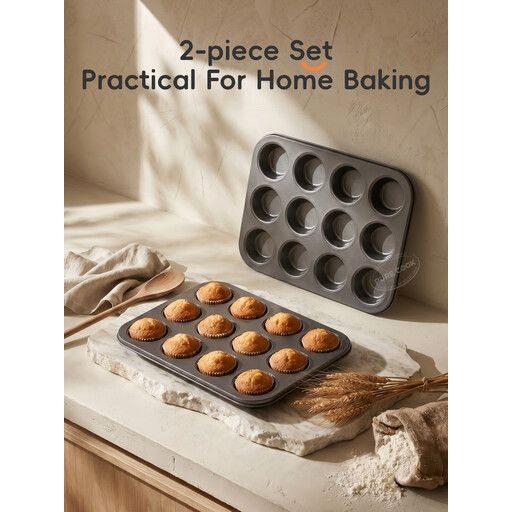
Why This Fits Their Persona: This pan is built for efficiency. It allows you to bake 12 uniform mini cakes, muffins or brownies at once, making it perfect for meal prep, school lunchboxes or preparing for a bake sale without multiple rounds of baking.
It avoids the "flimsy silicone" trap by using rigid carbon steel, which provides structure and ensures heat is distributed evenly across all 12 cavities for consistent results—something a floppy silicone tray can struggle with.
The multi-cavity design maximises oven space and baking efficiency. The carbon steel material promotes uniform baking and browning across all portions.
We have compiled a complete, real-time list of products that fully satisfy these strict selection criteria and UK safety regulations.
1. Are silicone baking moulds safe to use? Yes, provided they are made from food-grade silicone. This material is chemically inert and stable at high temperatures, meaning it won't leach substances into your food. Always check the product description for this certification and adhere to the maximum recommended temperature, which is typically around 230°C.
2. How can I prevent cakes from sticking in my carbon steel tins? Even with a quality non-stick coating, it is good practice to lightly grease the tin with butter or oil and then dust it with flour before adding your batter. Alternatively, lining the base with a circle of baking parchment provides an extra layer of security. To protect the non-stick bakeware surface, avoid using metal utensils for cutting or serving and clean it with a soft sponge rather than an abrasive scourer.
3. Do I need to place silicone moulds on a baking tray? It is highly recommended. Because silicone is flexible, a solid baking tray provides essential stability. Placing the mould on a tray before you fill it makes it much safer and easier to transfer to and from a hot oven, preventing the mould from buckling and spilling its contents.