
24/7 Customer Support

Free returns

Same-day & Next-day Delivery

Quality Guaranteed

Unlock Your Welcome Offers: FREE Delivery | Up to 80% OFF | Free 30-day JoyPlus trial
Download the APP
Scrubbing burnt-on food from baking trays and roasting tins is a kitchen chore few of us enjoy. Whether you're a keen baker, a weeknight meal-prepper or an air fryer enthusiast, the goal is the same: delicious food without the daunting cleanup. The right kitchen liner can be the key to achieving this, but the choice between baking paper, greaseproof paper and various foils can be confusing.
This guide is designed to help you understand the differences and select the right product for your cooking needs. We will explore the key factors to consider when buying and offer some practical recommendations to make your time in the kitchen more efficient and enjoyable.
Before you add an item to your basket, consider these points to ensure you get the right tool for the job.
The terms are often used interchangeably, but these products serve different functions.
Your primary cooking method will influence your choice.
Modern kitchen consumables come with features designed to save you time. Look for rolls with built-in, safe cutting edges for neat tears. Pre-cut sheets are another excellent time-saver, ready to go straight from the box. Ultimately, the goal is easy cleanup baking, so choosing a product that creates a reliable barrier between your food and your cookware is the most important step.
Here are a few recommendations that cater to different cooking styles and priorities, selected to help you achieve great results with minimal fuss.
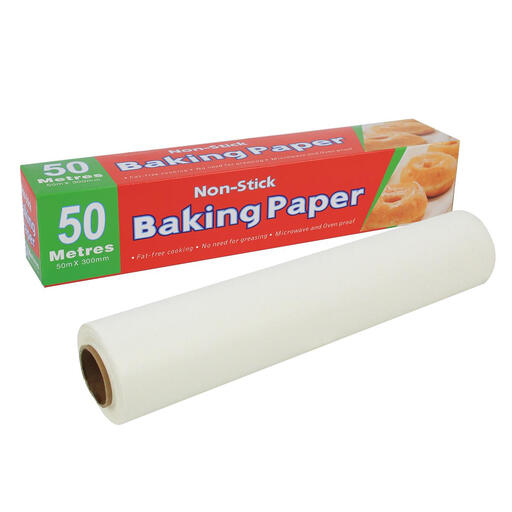
Why It Stands Out: This is a highly versatile kitchen workhorse. Its premium non-stick surface means you can bake delicate cookies, roast vegetables or line your air fryer basket without needing extra grease. The paper is designed to promote even heat distribution, helping to prevent burnt bottoms and undercooked centres. At 50 metres, this large roll offers excellent value for frequent cooks.
Pros:
Who is it for? This is an ideal all-rounder for home cooks and bakers who need a reliable, multi-purpose parchment paper for a wide range of daily cooking and baking tasks.
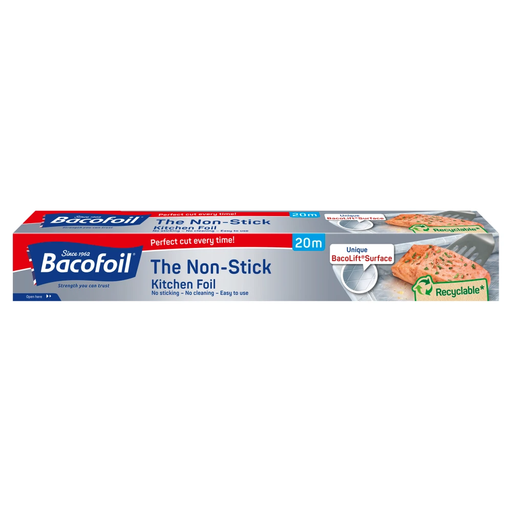
Why It Stands Out: This product combines the heat-retaining properties of aluminium foil with a non-stick textured surface. According to the brand, its BacoLift surface prevents food from sticking, making it perfect for roasting chicken, baking fish or grilling halloumi without leaving half the food behind on the foil. The packaging includes a curved blade for a clean, straight cut every time, removing the frustration of jagged tears.
Pros:
Who is it for? A great choice for those who frequently roast, grill or bake sticky, marinated foods and want the high-heat performance of foil with the easy release of a non-stick pan.
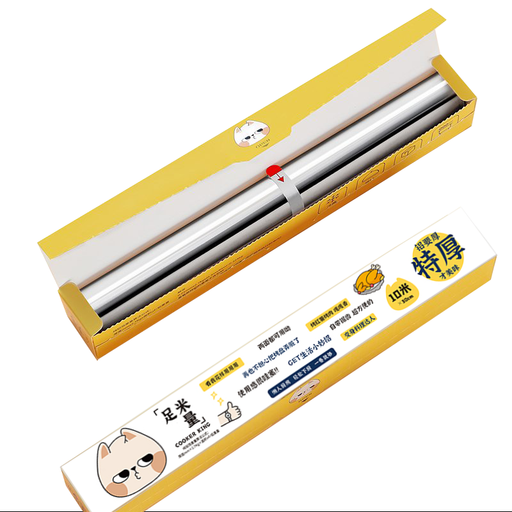
Why It Stands Out: When standard foil isn't tough enough, this heavy-duty option from COOKER KING steps in. With a thickness of 15μm, it offers superior strength and resistance to tearing, making it suitable for barbecues and wrapping larger or heavier items. Its excellent heat conductivity and barrier properties help to lock in moisture and flavour, ensuring juicy, evenly cooked results whether you're grilling on the barbecue or roasting in the oven.
Pros:
Who is it for? Perfect for barbecue enthusiasts and anyone needing a robust aluminium foil for roasting heavy joints of meat or for tasks where standard foil might puncture or tear.
If you need pre-cut sheets for commercial-style baking trays, round liners for cake tins or other specialised formats, there are many more options available.
Explore our full range of paper trays and liners to find the perfect match for your kitchen.
1. Can I use greaseproof paper instead of baking paper? You can, but with a key difference. Greaseproof paper will stop grease from soaking through, but it is not non-stick. You will need to apply oil or butter to it to prevent food like biscuits or cakes from sticking. Baking paper (or parchment paper) has a silicone coating that provides a true non-stick surface, making it a more reliable choice for most baking.
2. Is it safe to use baking paper in an air fryer? Yes, using baking paper in an air fryer is generally safe and is an excellent way to simplify cleanup. However, you must ensure the paper is cut to fit the basket and is always weighed down by food. Never place a loose sheet of baking paper or an empty air fryer liner in the appliance during preheating, as it can be lifted by the fan and come into contact with the heating element, creating a fire risk.
3. What is the difference between baking paper and non-stick kitchen foil? The main differences are material and heat conduction. Baking paper is a cellulose-based paper with a non-stick coating, ideal for even heat distribution in baking. Non-stick kitchen foil is aluminium with a non-stick coating. Aluminium is a much better conductor of heat, making it more suitable for high-temperature roasting and grilling where you want to achieve browning and crisping. Foil is also malleable, allowing you to wrap food tightly or create parcels for steaming.