
24/7 Customer Support

Free returns

Same-day & Next-day Delivery

Quality Guaranteed

Unlock Your Welcome Offers: FREE Delivery | Up to 80% OFF | Free 30-day JoyPlus trial
Download the APP
A flat sponge cake or a dense, heavy scone can be a frustrating outcome after spending time and effort in the kitchen. Often, the culprit is a small but mighty ingredient: baking powder. This essential leavening agent is the key to achieving the light, airy textures we love in our favourite bakes.
However, a quick search to buy baking powder online reveals a surprising variety of options. From standard tubs to specialised formulas, choosing the right one can feel confusing. This guide is designed to help you understand the differences and select the right baking powder for your specific needs, whether you're whipping up classic Victoria sponge, experimenting with gluten-free recipes, or venturing into Chinese pastries.
Before adding a tub to your basket, consider these key factors. Understanding them will ensure your bakes rise to the occasion every time.
Most baking powders available to home bakers in the UK are double-action baking powder. This is generally the preferred type for its reliability.
Modern baking accommodates a wide range of dietary requirements. If you or someone you're baking for has specific needs, it's crucial to check the label.
The type of bake you have in mind can influence your choice. While many powders are all-purpose, some are formulated with specific textures in mind. A robust powder might be ideal for hearty breads, while a finer formula could be better suited for a delicate baking powder for cakes. For international recipes, such as Chinese steamed buns (mantou), you may find that powders formulated for that purpose yield a fluffier, whiter result.
Here are a few noteworthy options available on Joybuy, selected to cover a range of baking needs and preferences.
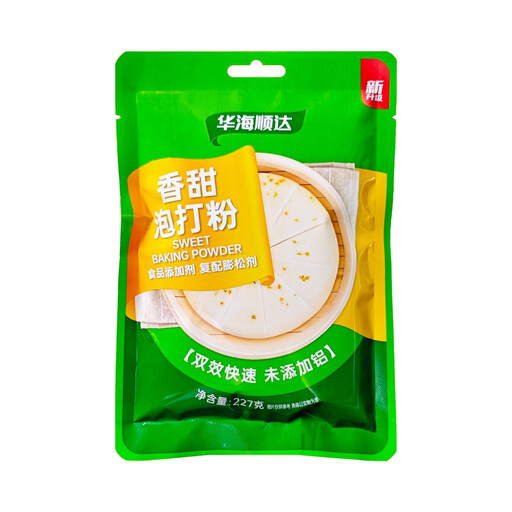
Why It Stands Out This baking powder is formulated to provide an excellent leavening effect, making it particularly suitable for creating the light, fluffy textures found in many Chinese and Western pastries. Its composition is designed to help doughs and batters achieve a superior rise and a soft crumb.
Pros:
Who is it for? This is a great choice for adventurous bakers who enjoy making both traditional British cakes and international pastries, especially those looking to perfect their steamed buns or breads.
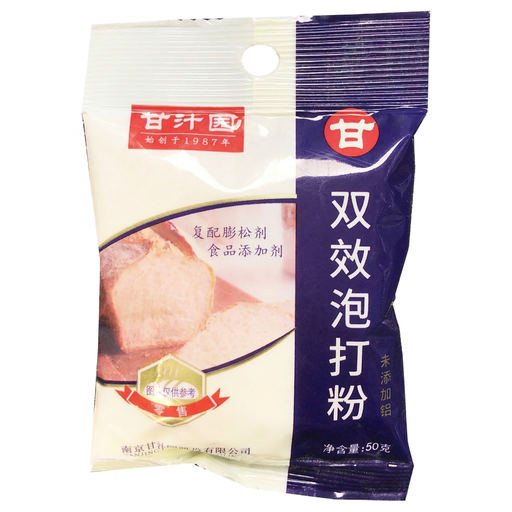
Why It Stands Out As a double-action baking powder, this product offers reliability and consistency. It works to create lift both during mixing and in the heat of the oven, giving your bakes a better chance of rising evenly. Its simple, effective formula makes it a dependable pantry staple.
Pros:
Who is it for? Bakers of all levels who need a trustworthy, all-purpose leavening agent for everyday recipes like muffins, scones and quick breads.
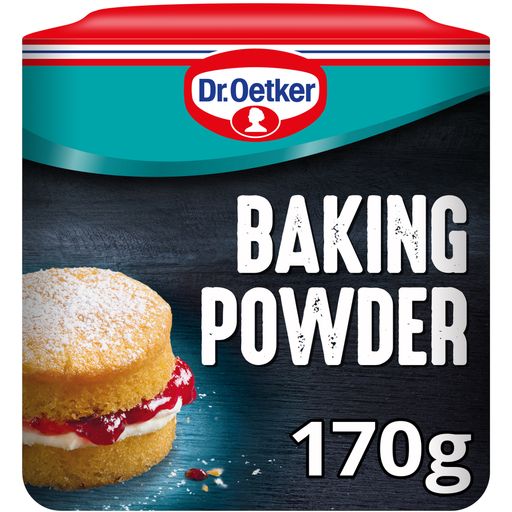
Why It Stands Out This baking powder from Dr. Oetker is specifically formulated to be gluten-free, making it a safe and reliable choice for those with coeliac disease or gluten sensitivities. It's also vegan-friendly and comes in a convenient, resealable tub that helps maintain its freshness and potency.
Pros:
Who is it for? An essential for any baker catering to gluten-free or vegan diets. It's also a solid all-purpose choice for anyone who values the convenience of a resealable container.
Now that your cakes and scones are rising perfectly, perhaps you're ready to explore other culinary horizons. If you're interested in trying your hand at authentic Southeast Asian dishes, a key ingredient to have is a high-quality seasoning mix. Discover our selection of speciality ingredients, such as Larb Powder, to bring new flavours to your kitchen.
1. Can I use bicarbonate of soda instead of baking powder? They are not directly interchangeable. Bicarbonate of soda (or baking soda) is a pure alkali and requires an acidic ingredient in the recipe (like buttermilk, lemon juice or vinegar) to create a reaction. Baking powder is a complete leavening agent because it already contains both an alkali (bicarbonate of soda) and a powdered acid, which are activated by liquid.
2. How do I know if my baking powder is still active? There is a simple test. Spoon half a teaspoon of baking powder into a small bowl and pour a few tablespoons of hot water over it. If the mixture fizzes and bubbles vigorously, the baking powder is still active and ready for your recipe. If there is little to no reaction, it has lost its potency and should be replaced.
3. What is the difference between baking powder and self-raising flour? Self-raising flour is a convenience product that consists of plain flour with baking powder and sometimes salt already mixed in. Using plain flour and a separate baking powder gives you more precise control over the amount of leavening in your recipe, which can be important for more delicate or specialised bakes.