
24/7 Customer Support

Free returns

Same-day & Next-day Delivery

Quality Guaranteed

Unlock Your Welcome Offers: FREE Delivery | Up to 80% OFF | Free 30-day JoyPlus trial
Download the APP
Strolling down the baking aisle can feel overwhelming. Caster, muscovado, icing, granulated—the sheer variety of baking sugar can leave even a seasoned baker wondering which bag to grab. Using the wrong type can be the difference between a light, airy sponge and a dense, heavy cake, or between a silky buttercream and a gritty frosting.
This guide is designed to cut through the confusion. We will explore the key differences between common baking sugars, helping you understand which one is right for your recipe. We will also highlight a few carefully selected options that deliver consistent, high-quality results for your cakes, biscuits and puddings.
Before you start baking, understanding a few key characteristics of sugar will significantly improve your results. Consider these points when making your selection.
The size of the sugar crystal directly affects how it behaves in a recipe.
The colour and flavour of sugar are determined by its molasses content.
For many home bakers, the source of their ingredients is as important as the final product.
Based on their specific properties and suitability for a range of popular baking projects, here are our recommendations.
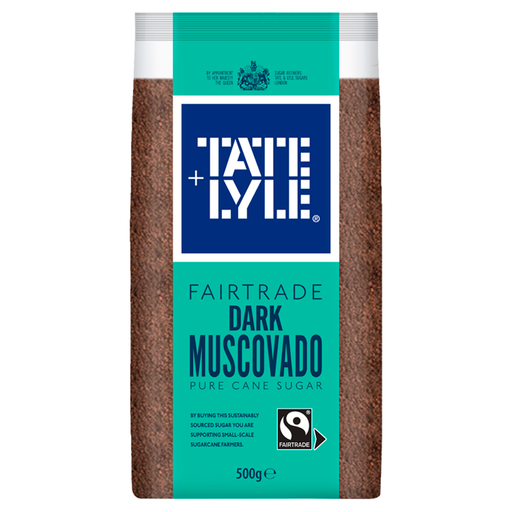
Why It Stands Out: This is a classic dark muscovado sugar known for its rich, aromatic flavour and high molasses content. Made from 100% pure cane sugar, its soft, moist texture is key to creating exceptionally chewy and flavourful bakes. It brings a deep, treacly complexity that white sugars simply cannot replicate.
Pros:
Who is it for?: Home bakers looking to create traditional rich fruitcakes, decadent chocolate puddings, gingerbread or sticky marinades and glazes.
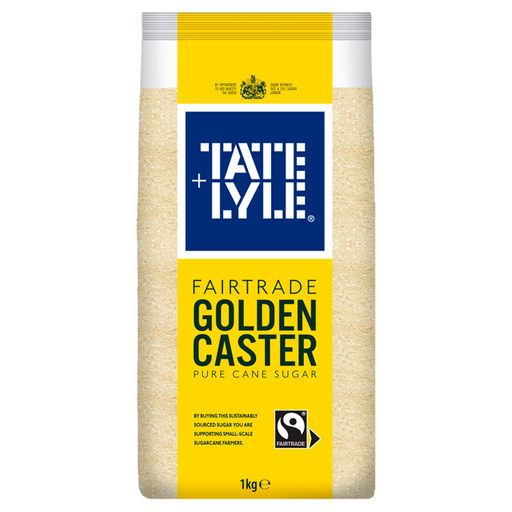
Why It Stands Out: This golden caster sugar offers a perfect middle ground. As an unrefined cane sugar, it retains some natural molasses, giving it a beautiful pale gold colour and a subtle honeyed flavour. Its extra-fine crystals dissolve very quickly, making it an ideal sugar for cakes like Victoria sponges, as well as for achieving crisp meringues and shortbread.
Pros:
Who is it for?: Anyone baking light sponges, crisp biscuits, meringues or custards where a fine texture and a hint of warmth are desired.
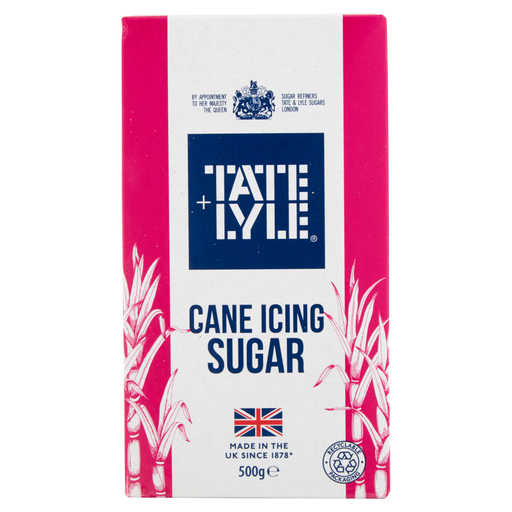
Why It Stands Out: A staple in any baker's pantry, this icing sugar is milled to a fine, silky powder. It contains a small amount of maize starch, which helps prevent clumping and ensures a perfectly smooth consistency. This is essential for creating professional-looking finishes on your bakes. According to research cited by Tate & Lyle from 2019, a majority of UK-based pastry chefs who expressed a preference chose their sugars over other UK brands.
Pros:
Who is it for?: Bakers who need a flawless finish, whether for a simple lemon drizzle glaze, a rich sugar for buttercream or a decorative dusting over a finished cake.
The world of baking is wonderfully diverse, and your recipe might call for light muscovado, demerara or standard granulated sugar. To find the perfect ingredient for your next project, browse our complete collection.
Explore Our Full Range of Home Baking Sugar
Q: Can I substitute caster sugar for granulated sugar in baking? A: In many recipes, you can make this substitution, but it may affect the final texture. Caster sugar's finer crystals dissolve more easily, which is crucial for light and airy bakes like sponges and meringues. Using granulated sugar in these recipes can sometimes result in a slightly denser, coarser crumb. For biscuits or crumbles, the difference is often less noticeable.
Q: What makes a baking sugar suitable for vegans? A: The concern for vegans lies in the refining process of some white sugars, which may use an animal-derived product called bone char as a de-colourising filter. Sugars that are unrefined (like muscovado) or those explicitly certified as vegan baking ingredients do not use this method, making them a safe choice for plant-based baking. All the Tate and Lyle sugar products featured in this guide are suitable for vegans.
Q: How do I stop my dark muscovado sugar from going hard? A: Dark muscovado sugar's high moisture content is what makes it prone to hardening when exposed to air. The best prevention is to store it in a truly airtight container immediately after opening. If it has already hardened, you can revive it by placing a piece of terracotta sugar saver, a slice of apple or a damp paper towel (not touching the sugar) inside the sealed container for 24-48 hours to reintroduce moisture.