
24/7 Customer Support

Free returns

Same-day & Next-day Delivery

Quality Guaranteed

Unlock Your Welcome Offers: FREE Delivery | Up to 80% OFF | Free 30-day JoyPlus trial
Download the APP
A perfect bake often comes down to the smallest details, and choosing the right baking sugar is more critical than many realise. Using the wrong type can be the secret culprit behind a dry cake, a biscuit that doesn’t spread or a pudding that lacks that rich, deep flavour. When you decide to buy sugar online UK, the array of options can feel bewildering, leading to common purchasing mistakes.
Many home bakers fall into a few simple traps. The first is assuming all brown sugars are interchangeable. This often results in a bake that is texturally wrong because the moisture content varies wildly between types. Another common pitfall is paying a premium for speciality sugars without understanding their specific purpose, only for them to harden into an unusable block in the pantry. Finally, there's the simple mistake of using a standard granulated sugar when a recipe's success hinges on the fine crystals and molasses content of a dedicated sugar for cakes. Let's break down what really matters.
To avoid disappointment and wasted ingredients, focus on these key characteristics. Understanding them will empower you to select the perfect sugar for any recipe, from a simple sponge to an intricate dessert.
The single most important factor differentiating sugars is the amount of molasses they contain. Molasses is a syrupy by-product of the sugar-making process, and it dictates colour, flavour and moisture.
You will often see terms like unrefined cane sugar or natural cane sugar on packaging. Here’s what that means for your cooking and baking:
The physical form of the sugar determines how it behaves in a recipe.
To help you choose, we’ve matched some popular options to the people who will get the most out of them.
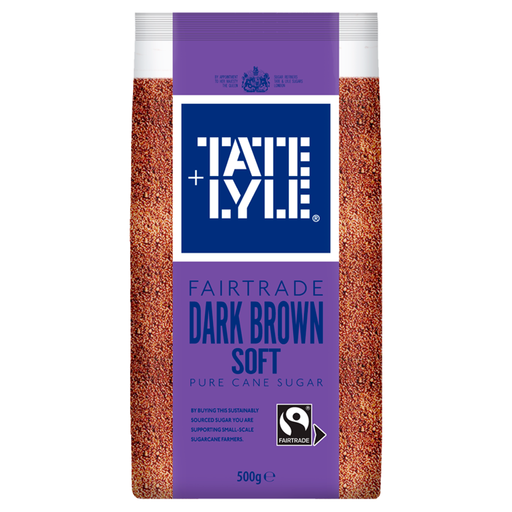
Why This Fits Their Persona: This is a pantry staple for anyone in the UK who regularly bakes traditional recipes. It's the go-to for Christmas cakes, gingerbread and rich chocolate brownies where moisture and a deep, molasses flavour are non-negotiable.
It directly prevents the "wrong sugar, wrong texture" pitfall. Its high moisture content is precisely what recipes for moist bakes are formulated for, ensuring success where a drier sugar would fail.
Provides intense, full-bodied molasses flavour and a soft, sticky texture that adds superior moisture to bakes. It is a reliable and consistent product from a well-known brand.
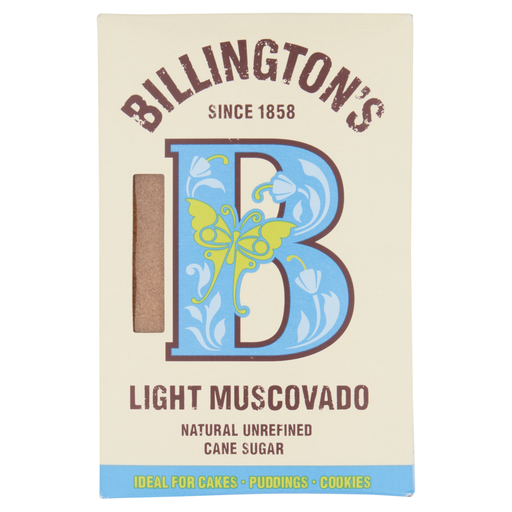
Why This Fits Their Persona: For the baker who wants to elevate their creations with more complex flavours. This light muscovado sugar is perfect for recipes where you want a noticeable but not overpowering caramel note, such as flapjacks, cheesecakes and sauces.
This avoids the trap of paying more for a "natural" sugar without a benefit. Its unrefined nature directly contributes a superior, richer flavour that you simply don't get from standard brown sugar.
The key advantage is its distinctive richness and depth of flavour from the preserved natural molasses. It is an unrefined cane sugar that enhances taste and texture.

Why This Fits Their Persona: Essential for anyone serious about cooking authentic Southeast Asian cuisine. This palm sugar is the key to balancing the salty, sour and spicy flavours in Thai curries, Vietnamese dipping sauces and Indonesian desserts.
It sidesteps the "wasted speciality ingredient" trap. For a cook exploring these cuisines, this is not a whimsical purchase but a foundational ingredient. The usage instructions help manage its hard texture.
Delivers an authentic, rich caramel-like sweetness with hints of butterscotch that cannot be replicated with other sugars. It is unrefined and made traditionally from coconut palm flower sap.
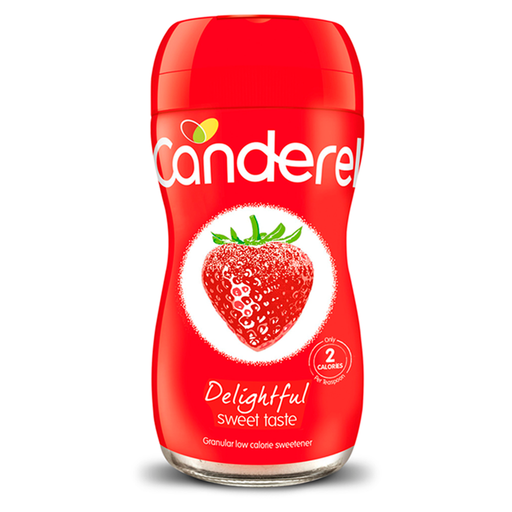
Why This Fits Their Persona: Ideal for those looking to reduce their calorie intake from sugar without sacrificing sweetness in their daily routine. It's perfect for sprinkling on cereal or fruit and for sweetening tea and coffee.
This is a purpose-built low calorie sweetener, not a baking sugar. It avoids the trap of being misused in complex baking where sugar's chemical properties are needed for structure and browning.
It can be used spoon-for-spoon like sugar for sweetening purposes, providing a similar level of sweetness with significantly fewer calories. The granular format is convenient and easy to use.
We have compiled a complete, real-time list of products that fully satisfy these strict selection criteria and UK safety regulations.
The hardening of brown sugar is due to moisture evaporation. To prevent this, store it in a sealed, airtight container as soon as you open the packet. If it has already hardened, place the sugar in a bowl, cover it with a damp cloth, and leave it overnight. The sugar will absorb the moisture and soften.
You can, but be aware of the consequences. Using dark soft brown sugar in place of light will impart a stronger molasses flavour and a darker colour to your final product. It will also add slightly more moisture, which could affect the texture of more delicate bakes. For robust items like gingerbread, the swap is fine. For a subtle caramel sauce, it might be overpowering.
The main difference lies in the processing and molasses content. Light muscovado sugar is an unrefined or raw cane sugar that retains much of its natural molasses, giving it a fine, moist texture and a complex, toffee-like flavour. Standard soft brown sugar is typically made by adding a specific amount of molasses back to refined white sugar, resulting in a more uniform product with a less nuanced flavour profile.