
24/7 Customer Support

Free returns

Same-day & Next-day Delivery

Quality Guaranteed

Unlock Your Welcome Offers: FREE Delivery | Up to 80% OFF | Free 30-day JoyPlus trial
Download the APP
From a light, airy sponge to a rich, sticky fruit cake, the secret to a successful bake often lies in a single, fundamental ingredient: sugar. Yet, standing in the supermarket aisle, the sheer variety can be confusing. Granulated, caster, soft brown – does it really make a difference which one you choose?
The short answer is yes. The type of baking sugar you use directly impacts the flavour, colour and texture of your final creation. This guide is designed to demystify the options, helping you select the right sugar for any recipe, ensuring your efforts in the kitchen are always rewarded with delicious results.
Understanding a few key differences will transform your baking. Before you reach for any old bag, consider these points.
The size of the sugar crystals determines how easily they dissolve and incorporate into other ingredients, which is critical for texture.
Sugar isn't just for sweetness; it's also for flavour. The level of refining determines its taste profile.
For many shoppers, the origin of their ingredients is as important as the quality. The Fairtrade sugar certification indicates that the sugar has been sourced from farmers who receive a fair price for their crop. Choosing products with the Fairtrade mark supports better working conditions and more sustainable farming practices in communities around the world.
Based on performance, versatility and user feedback, here are our recommendations for the essential sugars to have in your pantry.
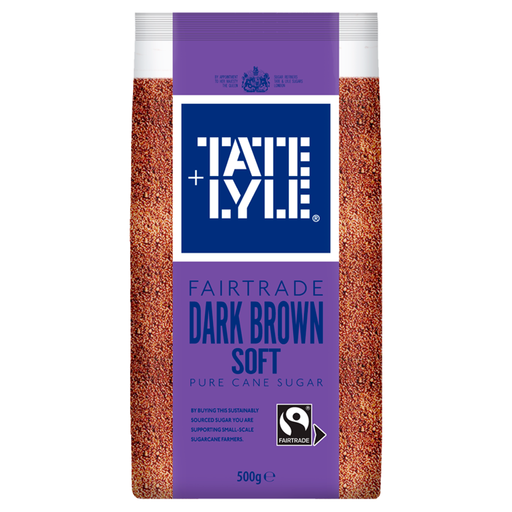
Why It Stands Out: This sugar is celebrated for its intense, full-bodied molasses profile and soft, moist texture. Made from natural cane sugar, it dissolves smoothly into batters, imparting a rich colour and deep caramel flavour. Its moisture-retaining properties are key to achieving a soft, chewy texture in classic bakes.
Pros:
Who is it for?: This is the definitive choice for bakers crafting traditional rich fruit cakes, moist gingerbread loaves, sticky toffee puddings and even savoury barbecue sauces.
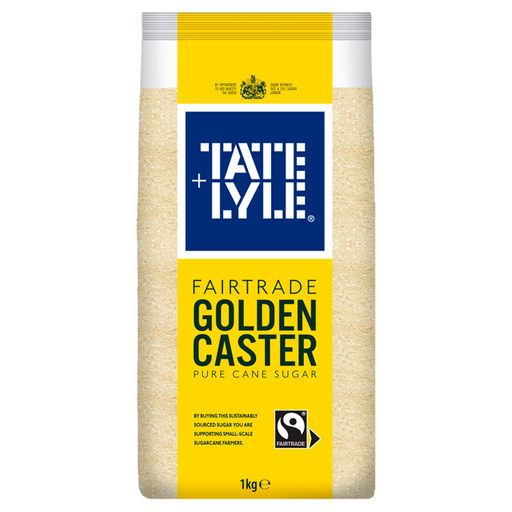
Why It Stands Out: As a fine, free-flowing unrefined sugar, this golden caster sugar dissolves much faster than granulated varieties. It retains some natural molasses, giving it a beautiful pale gold colour and subtle honeyed notes that enhance, rather than overpower, your bakes. It is the perfect sugar for cakes where a light texture is paramount.
Pros:
Who is it for?: Home bakers aiming for professional-quality light sponges, crisp biscuits, smooth caramel sauces and perfectly formed meringues.
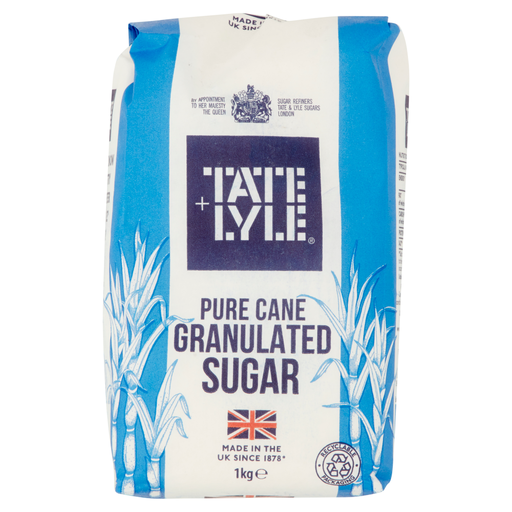
Why It Stands Out: This is the timeless, multi-purpose pantry staple. Made from pure cane sugar, its uniform crystals provide reliable structural performance in a wide range of recipes. Its clean, neutral sweetness makes it a versatile ingredient for everything from creaming with butter for a simple cake to sweetening your morning cup of tea.
Pros:
Who is it for?: Anyone needing a reliable, all-round sugar for everyday kitchen tasks, including general baking, making jams and marmalades or simply sweetening drinks.
The world of sugar extends beyond these three essentials. If your recipe calls for fine icing sugar for buttercreams, demerara for a crunchy topping or specialist preserving sugars, there are many more varieties to discover.
To find the perfect match for your next culinary project, we invite you to explore our full range of universal seasoning and baking ingredients.
1. Can I substitute one type of sugar for another in baking? While you can sometimes substitute sugars, be aware that it will change the outcome. Swapping granulated for caster sugar (and vice versa) is often acceptable, though caster is preferred for lighter bakes. Replacing white sugar with brown sugar will add more moisture, a denser texture and a distinct caramel flavour, which may or may not be desirable for your recipe.
2. What is the difference between golden caster sugar and regular caster sugar? Regular white caster sugar is fully refined, giving it a neutral taste. Golden caster sugar is an unrefined sugar that retains a small amount of molasses. This gives it a pale golden hue and a subtle, warm caramel flavour. It can be used as a direct replacement for white caster sugar in most recipes to add a little more depth.
3. How should I store sugar to prevent it from clumping? All sugar should be stored in a cool, dry place away from moisture and strong odours. For granulated and caster sugar, an airtight container is best to prevent clumping. For naturally moist sugars like dark soft brown sugar, an airtight container is essential to stop it from drying out and becoming hard.