
24/7 Customer Support

Free returns

Same-day & Next-day Delivery

Quality Guaranteed

Unlock Your Welcome Offers: FREE Delivery | Up to 80% OFF | Free 30-day JoyPlus trial
Download the APP
Buying baking supplies can seem straightforward until a cake sticks to the tin, a mixing bowl cracks or a supposedly versatile dish cannot handle your intended appliance. UK shoppers also face vague descriptions, inconsistent sizing and attractive features that do not necessarily improve everyday baking.
The most useful approach is to assess materials, dimensions, temperature limits and care instructions before comparing appearance or price. This guide explains the details worth checking and matches selected products to different baking routines.
Non-stick bakeware can make release and cleaning easier, but the coating still needs suitable care. Metal utensils, abrasive scourers and excessive heat may damage the surface. Some products also require hand washing, despite buyers assuming all non-stick bakeware is dishwasher safe.
Check whether the item is:
For example, the PURECOOK springform set is described as hand-wash only and unsuitable for microwaves, hobs and open flames. That is useful information for shoppers who want a dedicated oven tool, but less suitable for anyone seeking one-piece, all-appliance convenience.
A product may be described as “small”, “family-sized” or “multi-purpose”, but these terms do not replace measurements. A 1-litre mixing bowl is practical for eggs, icing and smaller cake mixtures, while a larger bowl may be necessary for batch baking.
Likewise, check whether:
If you regularly bake celebration cakes, confirm the diameter and depth before ordering. For meal preparation, compare both dish capacity and storage footprint.
Oven-safe does not automatically mean resistant to sudden thermal shock. Ceramic and porcelain dishes should not usually be moved directly from a freezer into a hot oven unless the manufacturer specifically permits it. Silicone moulds may tolerate high heat but still need stable support when filled with batter.
Read the complete care guidance and allow dishes to cool before washing or moving them. Inspect ceramic bakeware for chips and cracks and stop using damaged items.
Choose the material according to the task:
Look for clear information about food contact, maximum temperature and appliance compatibility rather than relying on colour or marketing language.
A product listing should state whether an item is suitable for an oven, microwave, freezer, dishwasher or hob. These are separate properties. A ceramic casserole dish may be oven, microwave, fridge, freezer and dishwasher safe, while a plastic mixing bowl may be microwave safe but unsuitable for baking.
The Essentials by Premier silicone mould is listed as heat resistant up to 230°C and suitable for ovens, microwaves, freezers and dishwashers. The Maison by Premier rectangular mould also specifies a 230°C maximum, but is intended for oven use only and should be placed on a baking sheet for stability.
For cake tins and baking moulds, diameter and depth influence portion size and baking time. A removable base or springform clip can make delicate cakes easier to release, but the seal and cleaning requirements matter.
For presentation and storage, assess whether the product solves a specific problem. The Caroline liners are designed for 7-inch round cake tins and supplied as a pack of 50, while the cupcake boxes accommodate either six standard cupcakes or 12 mini fairy cakes. These details are more useful than a general claim that a product is “versatile”.
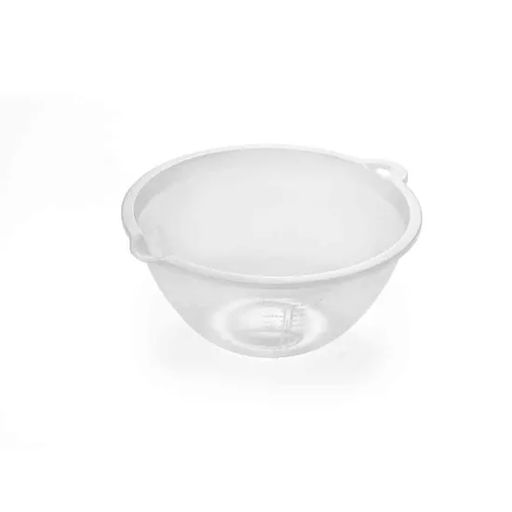
Why This Fits Their Persona: Its compact 1-litre capacity suits first kitchens, smaller bakes, icing and everyday preparation without taking up much cupboard space.
The stated capacity and approximately 15 cm diameter make its limits clear, avoiding vague claims about fitting every recipe.
Embossed measurements; freezer, dishwasher and microwave safe; made from food-safe BPA-free plastic.
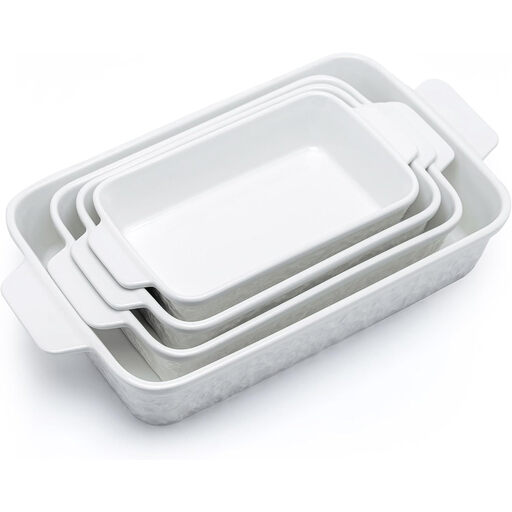
Why This Fits Their Persona: The graduated porcelain set suits cooks who want coordinated oven-to-table bakeware for individual portions, side dishes and family meals.
Four stated capacities, from 0.78 to 3.4 quarts, help buyers match the dish to the serving requirement.
Oven, microwave, fridge, freezer and dishwasher compatibility; side handles and stackable shapes.
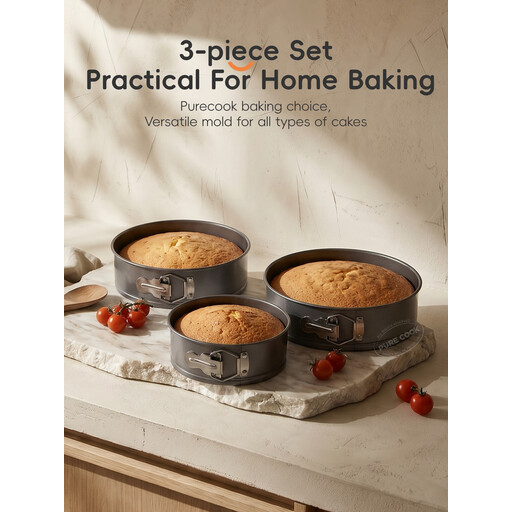
Why This Fits Their Persona: Frequent cake makers can use three round sizes for cheesecakes, sponge cakes and other recipes requiring controlled release.
The listing clearly states the three diameters and hand-wash requirement, so the set is not mistaken for all-purpose bakeware.
Carbon steel construction; quick-release clips; sizes of 18, 20 and 24 cm.
We have compiled a complete, real-time list of products that fully satisfy these strict selection criteria and UK safety regulations.
A few lower-cost baking accessories can make a noticeable difference to workflow:
Start with a suitable mixing bowl, digital scales, a whisk or mixer, one round cake tin, a loaf or traybake tin, cake liners and a cooling rack. Add specialist baking moulds or ramekins once you know which recipes you make most often.
Lifespan depends on frequency of use, heat exposure and cleaning. Avoid metal tools, abrasive cleaners and overheating. Replace an item if its coating is visibly peeling, heavily scratched or affecting food release.