
24/7 Customer Support

Free returns

Same-day & Next-day Delivery

Quality Guaranteed

Unlock Your Welcome Offers: FREE Delivery | Up to 80% OFF | Free 30-day JoyPlus trial
Download the APP
The aroma of a freshly baked cake or a warm loaf of bread is one of life’s simple pleasures. But the journey to that perfect bake can be soured by equipment that fails you. If you've ever scraped a stuck cake from a "non-stick" tin or watched a flimsy tray warp in the oven, you know the frustration. Investing in the right baking supplies isn't about having the most expensive gear; it's about choosing smart, durable pieces that deliver consistent results.
As a Joybuy Product Recommendation Officer, my role is to help you see past the marketing jargon. Before you add another item to your basket, let's look at the common pitfalls that lead to cluttered cupboards and disappointing bakes.
To build a reliable collection of home baking equipment, focus on a few core parameters. Understanding these will help you choose items that perform well and stand the test of time.
The material of your bakeware directly impacts how your food cooks.
The type of tin you choose should match what you plan to bake.
Instead of a generic list, we've matched some practical baking supplies to the people who will get the most out of them.
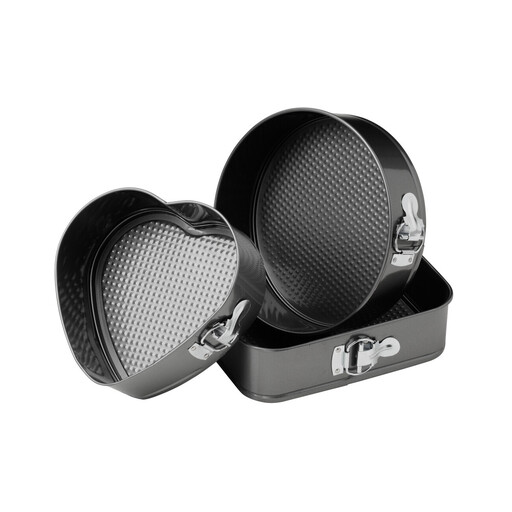
Why This Fits Their Persona: Just starting out and want to experiment without committing to expensive, single-purpose tins? This set provides three popular shapes (round, square and heart) to try different recipes, from birthday cakes to brownies.
It sidesteps the "oversized kit" trap by providing three genuinely useful and versatile shapes. The springform mechanism introduces a key piece of functional bakeware for more delicate bakes.
The set offers great versatility for a low initial outlay. The springform sides make releasing cakes straightforward, building confidence for new bakers.
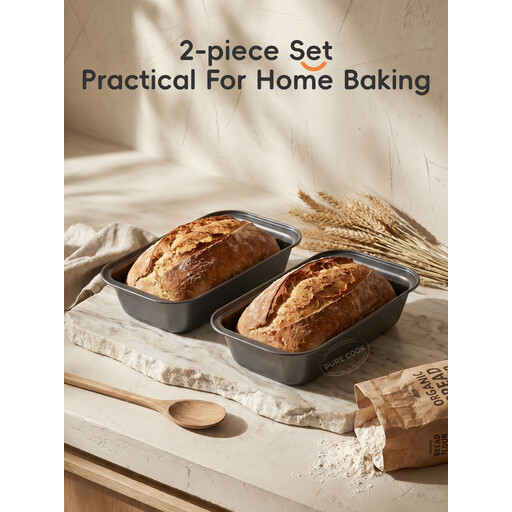
Why This Fits Their Persona: For those who regularly bake bread for the family, make meatloaves or create simple loaf cakes. This is a workhorse piece of kit designed for frequent use and reliable results.
This directly counters the "material mismatch" trap. It is made from thickened carbon steel, which provides the even heat conductivity needed for a perfectly risen loaf with a consistent crust, avoiding burnt bottoms.
Its robust construction ensures it won't warp. The food-grade non-stick coating allows for easy release, so your perfectly shaped loaf stays intact.
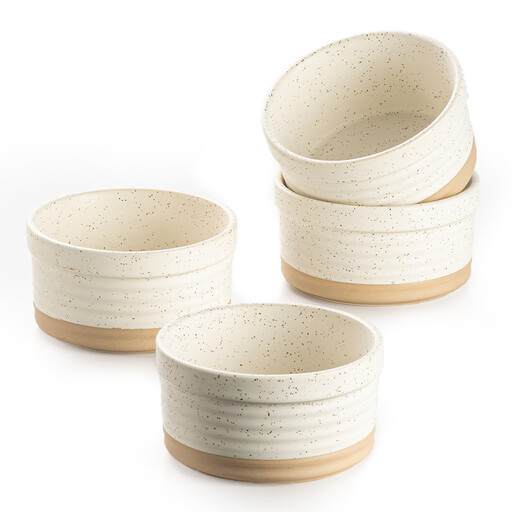
Why This Fits Their Persona: For the baker who loves creating individual portions and values presentation. Perfect for making classic crème br?lée, chocolate soufflés, mini pot pies or serving dips with a touch of elegance.
This is a specialised tool that does its job exceptionally well, avoiding the "one-size-fits-all" trap. You cannot achieve a proper crème br?lée in a standard muffin tin; the material and shape are key.
Made from high-quality, non-toxic ceramic, these ramekins provide superior heat retention for an even bake and are durable enough for the oven, dishwasher and freezer.
We have compiled a complete, real-time list of products that fully satisfy these strict selection criteria and UK safety regulations.
1. How long should good non-stick bakeware last? With proper care, a quality non-stick bakeware item should last for several years. The key is to avoid metal utensils, which can scratch the surface and to wash by hand with a soft sponge rather than using abrasive scourers or a dishwasher, which can degrade the coating over time. Always let your tins cool down before washing.
2. What are the absolute essential baking supplies for a beginner? Don't feel pressured to buy everything at once. A solid starter kit would include: a reliable set of measuring cups and spoons, a sturdy 2lb bread loaf tin, a 9-inch round cake tin (ideally with a loose base), a 12-cup muffin tin, a large mixing bowl, a whisk, a spatula and a pair of quality oven mitts. From there, you can add items like a cake decorating kit for beginners as your skills grow.
3. Is carbon steel or silicone better for cakes? It depends on the cake. Carbon steel provides structure and promotes even browning, making it ideal for classic sponges, fruit cakes and loaves. Silicone is excellent for novelty-shaped cakes or individual bakes where easy removal is the top priority, as its flexibility allows you to peel the mould away from the cake. Many bakers find having both in their collection is useful.