Families baking with children
Identical bars make it simpler to measure chocolate for a recipe and set pieces aside for decorating. An assortment makes more sense if different centres are an intended part of the bake.


If the recipe calls for one type of chocolate throughout, choose identical plain bars rather than assuming an assorted box will behave the same way. Choose a boxed assortment when its presentation matters or the recipe welcomes mixed centres; before baking or gifting, check the exact pack against the needs of everyone who will eat it.
The useful distinction is whether the chocolate is mainly an ingredient, part of the gift presentation, or both.
Identical bars make it simpler to measure chocolate for a recipe and set pieces aside for decorating. An assortment makes more sense if different centres are an intended part of the bake.
A boxed assortment can be the gift itself or provide varied pieces for a recipe designed around them. If the finished bake is the gift and needs one consistent chocolate ingredient, choose by the recipe first and consider presentation separately.
Read the current packaging for every chocolate going into a shared bake. The bars considered here differ in ingredients and precautionary statements, including those concerning milk, soya, wheat and nuts.
Choose when: The recipe needs the same chocolate in every portion, or you want separate bars for baking and decorating.
Bear in mind: A multipack is an ingredient-led format; if the chocolate itself is the gift, consider how you will present it.
Choose when: The box is part of the gift or the recipe intentionally uses different chocolates.
Bear in mind: Different centres can change the flavour and texture of individual pieces in the finished bake.
| Priority | What to check | Your needs |
|---|---|---|
| Recipe texture | Check whether the recipe calls for plain chocolate, chopped pieces or filled chocolates. Biscuit, wafer, caramel and nut pieces are not interchangeable with a uniform chocolate ingredient. | I want the same kind of chocolate in each piece of the bake, rather than a mixture of centres or crunchy additions. |
| Ingredients | Read the exact pack’s ingredients and precautionary allergen statements before baking and again before serving. Check every product if you combine bars or use an assortment. | Everyone eating the bake, including a gift recipient, needs chocolate that is suitable for them. |
| Recipe quantity | Match the total net weight to the recipe, then check the number and size of bars or chocolates if you plan to divide them for decorating. | I need enough for the mixture and any decoration without treating a bar count as the recipe quantity. |
| Gift presentation | Decide whether you are giving the chocolate box or the finished bake. An assortment provides mixed pieces; plain bars give the recipe one chocolate format. | If I am giving the box, its presentation matters. If I am giving the bake, I would choose chocolate that fits the recipe first. |
| Nutrition label | Compare nutrition information per 100g on the same basis, then use the pack’s portion information when planning how much goes into the bake and its decoration. | Children may taste ingredients as well as eat the finished bake, so I want to plan the chocolate used for both. |
Assorted centres and bars containing biscuit, caramel or nuts can change a recipe’s texture and flavour.
Start with what the recipe asks for. Use uniform bars where it needs one chocolate ingredient, and use mixed chocolates only where those additions are intentional.
Snickers lists peanuts as an ingredient; Twix lists wheat flour; and Mars states that its bar may contain peanuts and other nuts. Baking these products into a shared recipe does not remove the need to check suitability.
Read each current wrapper before the activity and check the ingredients against the needs of every child and recipient who may eat the bake.
A count of bars or individual chocolates does not tell you whether the pack supplies the weight your recipe requires.
Check total net weight against the recipe first. Then use the unit count to plan separate pieces for decorating or sharing.
Chocolate eaten during the activity is separate from the amount that goes into the finished bake. The NHS advises keeping the frequency and amount of sugary foods, including chocolate, as low as possible.
Measure the recipe chocolate and set aside any decoration pieces before baking begins, so you can plan what remains for tasting.
These examples show how particular chocolate formats affect a recipe; a brand name alone does not establish that every product in its range will work the same way.
Cadbury describes Milk Tray as assorted milk chocolates and publishes chocolate baking recipes.
Galaxy’s plain milk-chocolate bar and its listed 24 x 42g multipack are examples of uniform bar formats.
The Mars Caramel & Milk Chocolate Bar 40g is a recipe-specific option where its caramel filling is wanted.
Snickers Chocolate Bar 40g contains peanuts, making it an option only for recipes that deliberately include them.
Twix combines caramel with crunchy biscuit, so it belongs in recipes where those pieces are intentional.
KitKat 2 Finger Milk Chocolate has wafer fingers covered in milk chocolate.
These options cover bars that can be measured out for a bake and boxed assortments for recipes or gifts where mixed chocolates are wanted. Choose by the recipe and check the current pack before sharing with children or recipients.
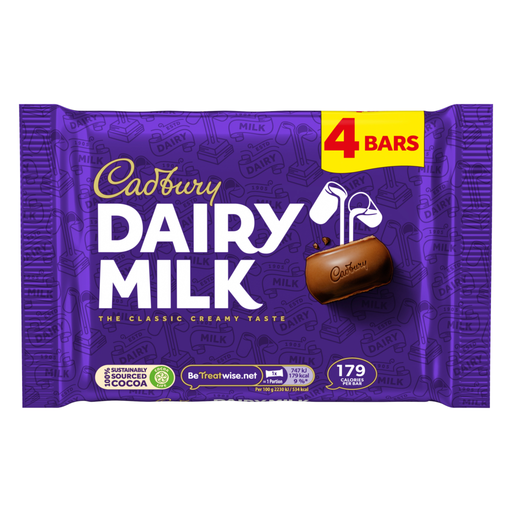 No image available
Consider this four-bar pack when the recipe calls for milk chocolate and you want separate bars to measure out for baking or decorating. The pack totals 134g; check its current label for milk and possible nut or wheat traces before sharing.
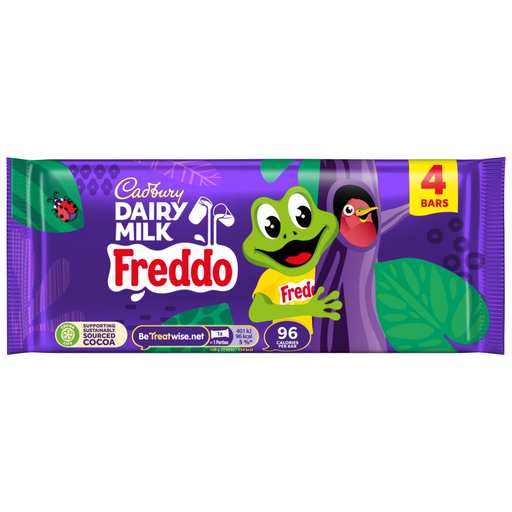 No image available
The four-pack totals 72g and offers separate pieces if that format fits your decorating plan. The product listing warns that Freddo is not suitable for children under four because of its shape and texture; check the current pack for milk and possible nut traces.
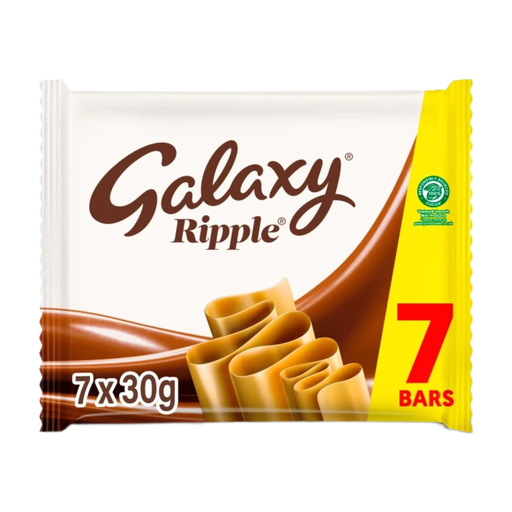 No image available
This seven-bar, 210g pack offers separate bars when you are planning amounts for a bake. Check whether the rippled bar format suits your recipe, and read the current pack for milk, soya and possible nut traces.
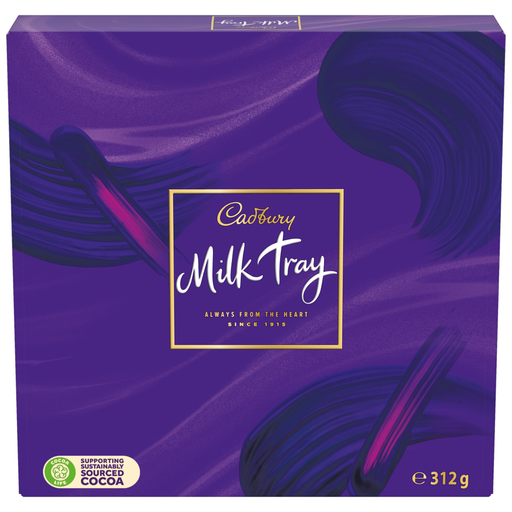 No image available
This 312g assorted box fits a gift-first choice or a recipe intended to use different chocolates. Its mixed centres are not a direct substitute for uniform bars; check the exact pack’s ingredients and allergen statements before baking or gifting.
 No image available
This 348g boxed assortment is for a gift or a recipe that can use chocolates with different centres, rather than one uniform ingredient. Check the current pack for ingredients and precautionary statements; the listing also says it is not suitable for children under four.
Choose identical plain bars if the recipe needs one consistent chocolate ingredient or separately measured pieces. Choose an assortment if mixed chocolates are intended in the recipe or the box itself is the gift; check each pack before children or recipients eat it.
Use the description to narrow down options, but read the exact pack received before baking or serving. Ingredient and precautionary statements differ between these chocolate formats, and every product used in a shared bake needs checking.
Check the ingredients relevant to everyone eating the bake, rather than judging by whether a bar looks like plain chocolate. Galaxy’s listed milk-chocolate ingredients include milk and soya; Twix lists wheat flour and nut-related precautions; Snickers lists peanuts and says it may contain other nuts.
Start with the recipe’s required chocolate weight, then check each pack’s net weight and number of pieces. For nutrition information, compare like with like using the per-100g figures, and plan separately for chocolate used in the bake, decoration and tasting.