
24/7 Customer Support

Free returns

Same-day & Next-day Delivery

Quality Guaranteed

Unlock Your Welcome Offers: FREE Delivery | Up to 80% OFF | Free 30-day JoyPlus trial
Download the APP
Balms can be useful for protecting dry skin, softening rough patches and adding targeted moisture. However, choosing between a lip balm, moisturising balm, skin balm or ointment is not simply a matter of picking the richest-looking formula. The wrong texture, ingredient or intended use can leave you with a product that feels uncomfortable, irritates sensitive skin or sits unused in a bathroom cabinet.
This guide explains the practical details UK shoppers should check before buying, followed by recommendations matched to different needs.
Many balms and ointments create a layer over the skin to reduce exposure to moisture, friction, wind or dry air. That is different from a product intended for a specific skin condition. Terms such as “healing cream” or “repair balm” can sound medicinal, but they should not be treated as a guarantee of treating a medical problem.
For persistent rashes, bleeding, infection, severe irritation or unexplained skin changes, follow advice from a pharmacist or GP. Always check whether the product is a cosmetic, a general skin-care item or a licensed medicine.
Beeswax, lanolin, essential oils, fragrance and botanical extracts are common in balms. They may suit some users but can be unsuitable for people with known allergies or very reactive skin. A vegan lip balm may avoid beeswax and lanolin, while a traditional formula may rely on them for texture and occlusion.
Read the full ingredient list rather than relying on front-of-pack wording. Fragrance-free does not automatically mean allergy-free, and “natural origin” is not a substitute for checking individual ingredients.
A face balm, nipple balm, nappy rash ointment, pet paw balm and lip balm are not interchangeable. Products for babies or pets have specific age, application and ingestion warnings. A balm containing menthol, eucalyptus, fragrance or essential oils may not be appropriate for infants, lips or broken skin.
Choose according to the body area and intended user first. Versatility is useful only when the label confirms that the proposed use is suitable.
Balms commonly contain waxes, oils, butters, petrolatum or silicones. These ingredients influence whether a product feels light, greasy, glossy, tacky or protective.
For hands, elbows and very dry patches, a richer skin balm may be practical overnight. For commuting or office use, a fast-absorbing hand balm is less likely to interfere with keyboards and door handles.
Check for ingredients relevant to your needs:
Small tubes and sticks are convenient for pockets, changing bags and travel, while larger tubs may offer better value for frequent household use. Consider hygiene too: tubes and sticks reduce repeated finger contact compared with open jars.
Balms can soften in warm rooms, direct sunlight or a hot car. Follow the storage directions, keep caps tightly closed and check the batch, expiry or period-after-opening information on the packaging. Product formulations and labels can change, so the physical packaging should take priority.
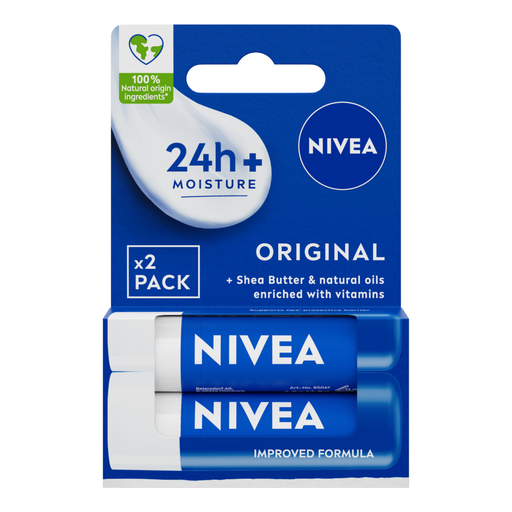
Why This Fits Their Persona: The twin-pack format gives UK shoppers a practical option for keeping one lip balm at home and another in a coat pocket, handbag or desk drawer.
The product size and twin-pack quantity are stated clearly, helping buyers compare pack value rather than judging by a single oversized front label.
Two 4.8g sticks; ingredients include shea butter and natural oils; convenient direct application.
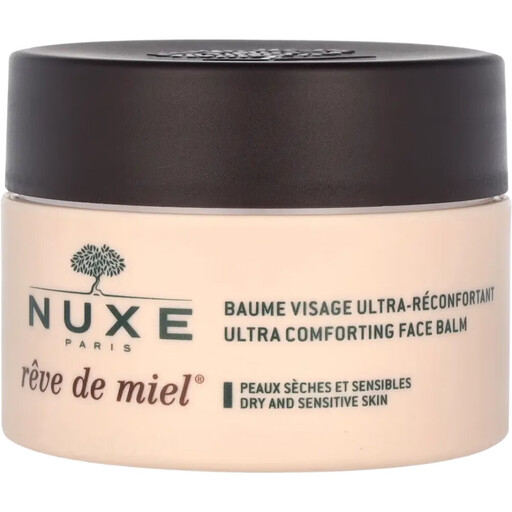
Why This Fits Their Persona: A rich face balm suits adults seeking a more substantial evening routine for dry or sensitive-feeling facial skin, particularly during colder weather.
The stated use is face and neck care, rather than presenting one formula as suitable for every body area.
50ml format; includes honey, propolis and botanical oils; intended for dry and sensitive skin.
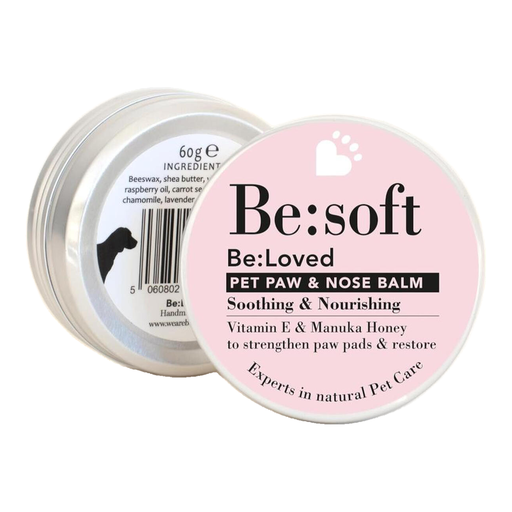
Why This Fits Their Persona: Dog owners looking after paws and noses affected by seasonal dryness, hot pavements or winter salt may prefer a dedicated pet-care formula.
It is specifically described for pet noses and paws, avoiding the mistake of using a human face balm without checking animal suitability.
60g size; contains beeswax, shea butter, vitamin E and avocado oil; made in the UK.
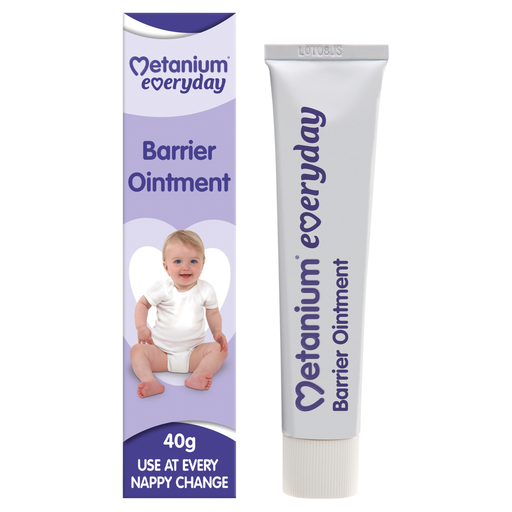
Why This Fits Their Persona: Parents wanting a clearly positioned everyday nappy-care product can use the pea-sized application at each change as directed.
The product information distinguishes everyday barrier use from treatment of active nappy rash, helping shoppers choose according to purpose.
40g tube; fragrance-free, colour-free and lanolin-free; stated as suitable from birth.
We have compiled a complete, real-time list of products that fully satisfy these strict selection criteria and UK safety regulations.
This depends on the formula, packaging and storage. Check the open-jar symbol, expiry information and manufacturer instructions. Keep balms away from heat and direct sunlight, and discard them if the smell, colour or texture changes.
Most lip balms are designed for repeated external use, but check the label and stop using the product if you experience redness, itching, swelling or discomfort. Fragrance, flavouring, menthol and certain botanical ingredients may not suit everyone.
Both can contain oils, waxes and protective ingredients, but “ointment” often describes a more occlusive, greasy preparation, while “balm” can cover a wider range of textures, including cosmetic lip and face products. The intended use, ingredients and directions are more important than the name alone.