
24/7 Customer Support

Free returns

Same-day & Next-day Delivery

Quality Guaranteed

Unlock Your Welcome Offers: FREE Delivery | Up to 80% OFF | Free 30-day JoyPlus trial
Download the APP
A balm can be a convenient answer to dry lips, tight facial skin, rough hands or a pet’s dry nose. However, the word balm covers very different products, from wax-based barrier formulas to glossy lip treatments and specialist care for breastfeeding. Choosing by attractive packaging or a “natural” label alone can lead to wasted money, irritation or a product that is unsuitable for its intended area.
This guide explains the practical details to check before buying balms, followed by targeted recommendations for different UK shopping needs.
Beeswax, botanical oils, essential oils, fragrance and plant extracts can all appear in a natural balm. They are not automatically suitable for sensitive skin or allergy-prone users. A vegan lip balm may replace beeswax with plant-based waxes, but it can still contain fragrance or other ingredients that some people prefer to avoid.
Always read the full ingredient list, particularly when buying a face balm, eye balm, nipple balm or a product for a child or pet.
A thick balm may feel comforting immediately, but the useful ingredients and intended purpose matter more than texture alone. Some formulas mainly create an occlusive layer to reduce moisture loss, while others combine oils, butters, humectants or conditioning ingredients.
A glossy lip product may improve the appearance of dry lips without being designed for cracked skin. Similarly, a hand balm can feel rich but may not be practical if it remains greasy after application.
A moisturising balm marketed for several areas is not necessarily suitable for the eyes, broken skin, lips, babies, breastfeeding or animals. Check the label for the approved use and warnings. Products containing menthol, peppermint, eucalyptus, fragrance or CBD require particular care around the eyes, children, pregnancy, medication and sensitive skin.
Choose the product category before comparing brands:
Compare the ingredient list rather than relying only on front-of-pack wording. Common balm ingredients include shea butter, beeswax, sunflower oil, jojoba oil, cocoa butter, glycerin, squalane and botanical extracts.
If you are specifically seeking a vegan lip balm, check for a vegan certification or clear manufacturer statement. Beeswax and lanolin are animal-derived, while plant-based waxes and oils are common alternatives. “Natural origin” and “vegan” describe different attributes, so one does not guarantee the other.
For sensitive skin, fragrance-free options may be preferable. Products containing fragrance allergens such as limonene, linalool or certain essential oils deserve closer consideration.
Small tubes are useful for handbags, pockets and changing bags, while larger pots or tubes may offer better value for regular use. Check the net content, packaging format and recommended amount per application.
Balms can soften in warm rooms, cars or direct sunlight. Store them in a cool, dry place and follow the packaging’s expiry date or period-after-opening symbol. Do not share products used on lips, nipples, eyes or broken skin and stop using any formula that causes irritation.
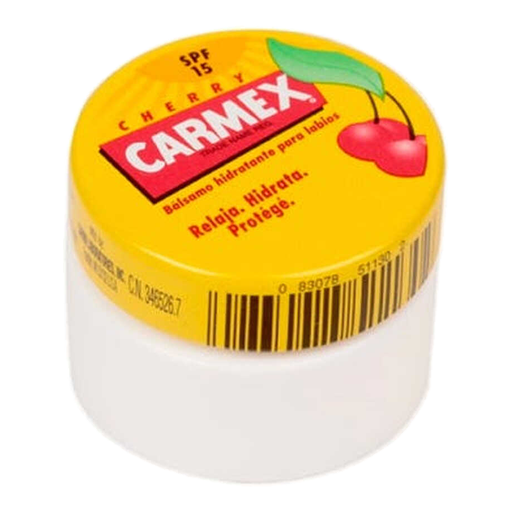
Why This Fits Their Persona: A compact option for commuters, students and anyone wanting an everyday lip balm for pockets, handbags or a travel washbag.
Its stated SPF 15 rating is shown clearly, rather than leaving daytime protection as an unclear marketing suggestion. Reapply after eating, drinking or swimming as directed.
7.5g portable format; cherry scent; SPF 15; designed for dry, chapped lips.
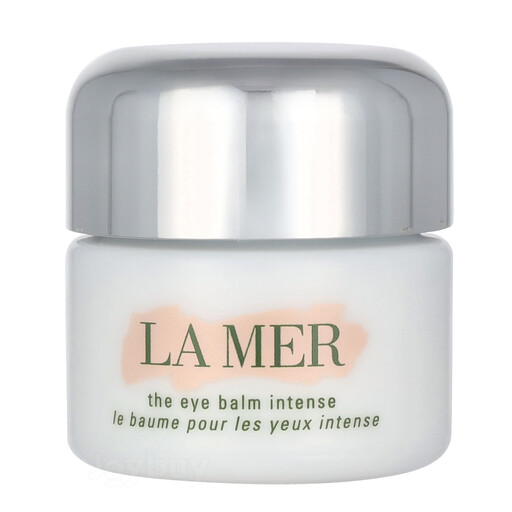
Why This Fits Their Persona: Suits shoppers looking for a dedicated eye-area product with a premium texture and purpose-designed applicator.
It is specified for the delicate eye area, helping avoid the mistake of using a general face balm too close to the eyes. Apply only as directed and avoid direct contact.
15ml size; silver-tipped applicator; shea butter, algae extract and sodium hyaluronate in the listed ingredients.
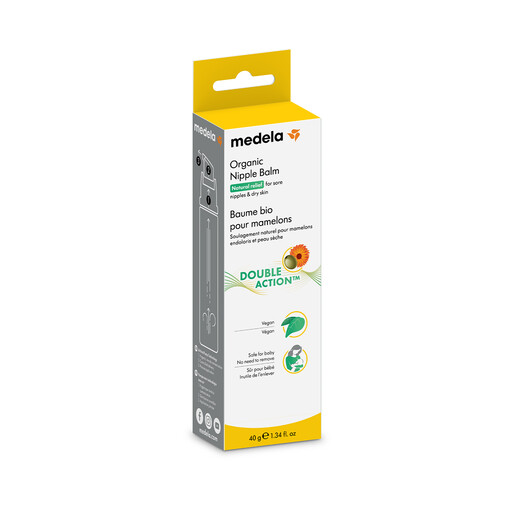
Why This Fits Their Persona: Designed for breastfeeding care, with a simple three-ingredient formula and a 40g tube for regular use during the early feeding period.
The listed formula is lanolin-free and contains sunflower oil, calendula extract and beeswax. The product information states that removal before feeding is not required; always check the supplied label.
100% organic and natural positioning; suitable from 0+ months according to the product details; can also be used on dry lips and cuticles.
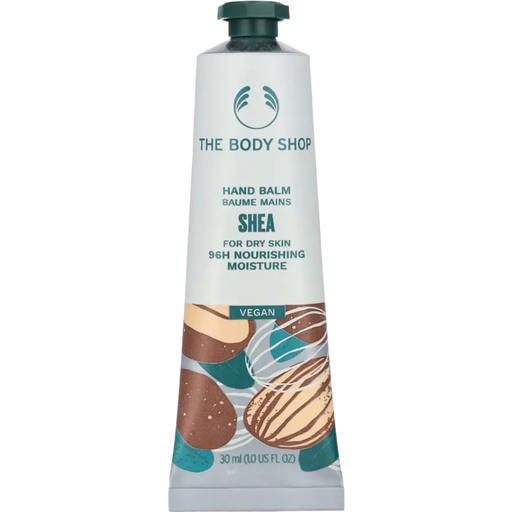
Why This Fits Their Persona: A travel-sized hand balm for people whose hands become dry through frequent washing, sanitising, outdoor work or colder UK weather.
Its stated non-greasy, fast-absorbing finish addresses the common problem of hand products interfering with phones, keyboards or door handles.
30ml aluminium tube; vegan registration stated in the product details; formulated with shea butter, glycerin and cocoa butter.
We have compiled a complete, real-time list of products that fully satisfy these strict selection criteria and UK safety regulations.
For a soothing balm for dry facial skin, Nuxe Reve de Miel Ultra Comforting Face Balm 50ml includes honey, propolis, botanical oils and shea butter, but its fragrance means sensitive users should review the ingredient list carefully.
For pet care, Be:Loved Be:Soft Pet Nose & Paw Moisturising Balm 60g is labelled for dogs and includes beeswax, shea butter, avocado oil and Manuka honey. A paw and nose balm should not be substituted with a fragranced human product without checking suitability.
Adults considering a CBD balm may compare Love CBD Versatile CBD Stress Support Balm, which contains broad-spectrum CBD, shea butter, beeswax, coconut oil and essential oils. It is labelled for external use only and adults, with additional warnings for pregnancy, breastfeeding, medication and medical conditions.
There is no single formula suitable for everyone. Look for a short ingredient list, avoid known allergens and consider fragrance-free options. Patch testing on a small area can help identify irritation, but it does not guarantee full-body suitability.
Follow the expiry date and the period-after-opening symbol on the packaging. Texture, smell or colour changes may indicate that the product should no longer be used. Keeping a balm away from heat and direct sunlight can help maintain its intended consistency.
Some multi-purpose balms are labelled for several dry-skin areas, but not every formula is appropriate for the face or lips. Avoid using eye products outside their stated area and check specialist warnings before using a product on babies, breastfeeding skin or pets.