
24/7 Customer Support

Free returns

Same-day & Next-day Delivery

Quality Guaranteed

Unlock Your Welcome Offers: FREE Delivery | Up to 80% OFF | Free 30-day JoyPlus trial
Download the APP
As a parent, choosing the right clothing for your baby is about more than just style. You want fabrics that are gentle on their delicate skin, practical for those frequent changes and ideally, kind to the planet they will inherit. If you've ever dealt with scratchy materials causing irritation, or fumbled with fiddly poppers during a 3 a.m. nappy change, you know the challenges are real.
This is where the bamboo babygrow has become a go-to for many UK families. Known for its remarkable softness and practical benefits, it addresses many common parenting concerns. This guide is designed to walk you through what makes a great bamboo sleepsuit and to highlight a few carefully selected options that deliver on comfort, convenience and quality.
Navigating the world of baby products can be overwhelming. Here are a few key points to consider when selecting a bamboo babygrow to ensure you get a product that works for you and your little one.
The term 'bamboo fabric' usually refers to bamboo viscose, a material created from the pulp of the bamboo plant. Its popularity in baby clothing stems from several key properties. It is exceptionally soft, often compared to silk, which feels wonderful against a baby's skin. The fabric is also highly breathable and has natural temperature-regulating qualities, helping to keep your baby comfortable in different conditions. These features make it a popular choice for hypoallergenic baby clothes, particularly for little ones with eczema or sensitive skin.
A well-designed babygrow can make life significantly easier. Many parents now prefer a zip up babygrow over traditional poppers for its speed and simplicity. Look for designs with a two-way zip, which allows you to change a nappy from the bottom without fully undressing your baby and exposing them to the cold. A fabric zip guard at the neckline is another important detail, as it protects your baby’s delicate chin from irritation.
For many, choosing an eco friendly babygrow is a priority. Bamboo is a fast-growing plant that typically requires no pesticides and less water than conventional cotton, making it a more sustainable baby clothes option. To ensure you are supporting responsible brands, look for third-party certifications. For example, Forest Stewardship Council (FSC) certification indicates the bamboo is sourced from responsibly managed forests, while B Corp certification signals a company's high standards of social and environmental performance.
Based on material quality, practical design and brand ethics, here are our recommendations for 2026.
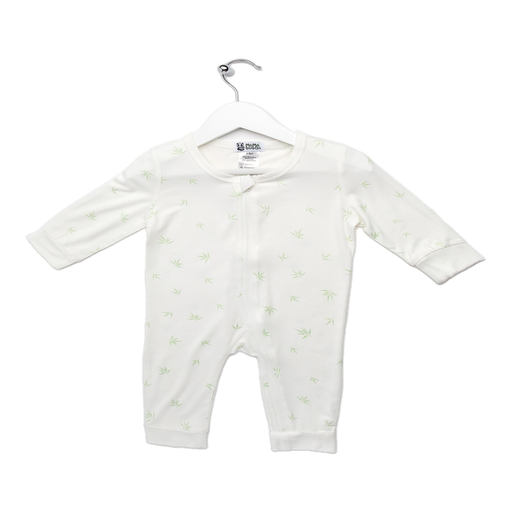
Why It Stands Out: This babygrow combines an ultra-soft fabric blend of 95% bamboo viscose and 5% spandex with a thoughtfully engineered zip. The innovative double-backed zip design provides a protective layer between the zip and your baby’s skin, offering peace of mind alongside convenience.
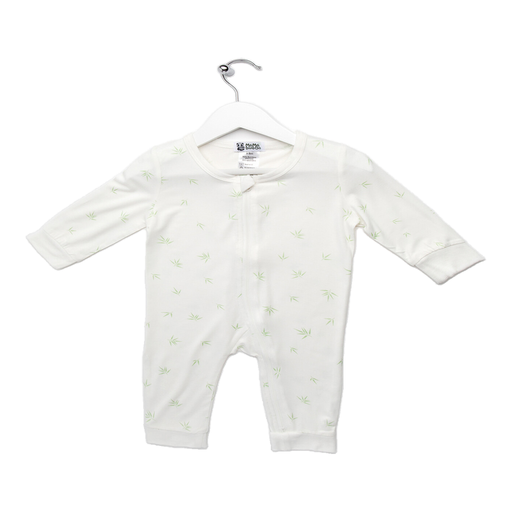
Why It Stands Out: Designed for babies on the move, this babygrow features a durable yet soft baby clothes blend of bamboo viscose and organic cotton. A key feature for this age group is the integrated anti-slip grips on the feet, providing extra stability for little ones who are crawling and taking their first steps on smooth floors.
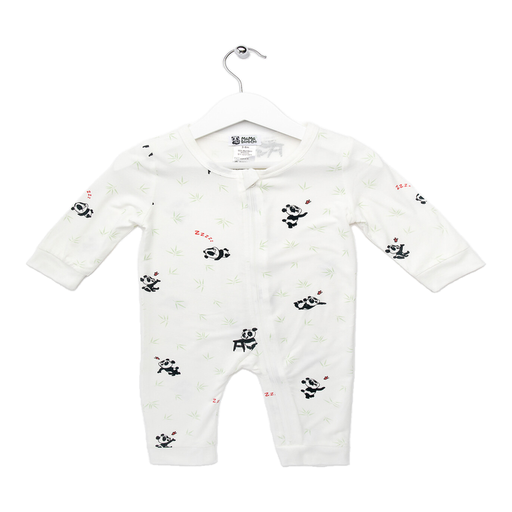
Why It Stands Out: This option proves that practical babywear can also be charming. It features the same buttery-soft bamboo fabric and secure double-backed zip as other Mama Bamboo products but comes in an adorable panda print. It’s a perfect blend of function and fun.
Every baby and family has unique needs. If you're searching for different sizes, alternative prints or other essentials for your little one, you can find more thoughtful and sustainable choices in our collection.
Explore our full range of Mama clothing to discover more.
Both materials have their merits. Bamboo fabric is generally considered softer, more absorbent and more effective at temperature regulation than standard cotton. Its smooth fibres make it an excellent choice for a babygrow for sensitive skin. However, an organic cotton babygrow is also a fantastic option, prized for its natural softness and breathability. The best choice often depends on your baby's specific needs and your personal preference.
To maintain the fabric's softness and integrity, it is best to wash a bamboo babygrow on a cool, gentle cycle (30°C is ideal) with similar colours. Use a mild detergent and avoid fabric softeners and bleach. Line drying is recommended, but if you must use a machine, select a low-heat setting.
Many parents find bamboo clothing beneficial for babies with eczema. The fabric's smooth, round fibres are less likely to cause mechanical irritation compared to fabrics with coarser fibres. Furthermore, bamboo's natural breathability and moisture-wicking properties help keep the skin dry and comfortable, which can be helpful in managing skin sensitivities.