
24/7 Customer Support

Free returns

Same-day & Next-day Delivery

Quality Guaranteed

Unlock Your Welcome Offers: FREE Delivery | Up to 80% OFF | Free 30-day JoyPlus trial
Download the APP
As a parent, you want what’s best for your baby, from their nutrition to the clothes they wear. The choice of nappy is no different. Many parents in the UK are now looking for options that are not only effective but also gentle on their baby's delicate skin and kinder to the environment. The search for eco-friendly nappies can feel overwhelming, with so many terms and features to compare.
This guide is designed to help you navigate the world of bamboo nappies. We'll explain what makes them a popular choice, what to look for when buying and share some of our top recommendations to help you find a comfortable and reliable option for your little one.
Making an informed choice is easier when you know what features matter most. Here are a few key points to consider when selecting plant-based nappies for your child.
A baby's skin is incredibly sensitive, making material choice crucial. Bamboo nappies are often sought after because the bamboo viscose fabric is exceptionally soft and breathable. This helps to regulate temperature and reduce moisture buildup against the skin. For babies prone to irritation, look for hypoallergenic nappies that are explicitly free from common irritants like chlorine, fragrances, lotions and latex. These features are essential for creating nappies for sensitive skin.
An eco-friendly nappy must still perform its primary function: keeping your baby dry and comfortable. High-quality bamboo nappies feature a super absorbent core, often made from chlorine-free wood pulp and a material known as Super Absorbent Polymer (SAP). This combination is designed to lock moisture away from the skin, providing long-lasting dryness and preventing leaks. Pay attention to features like secure leg cuffs and a snug-fitting back panel, which are vital for containment, especially overnight or with active babies.
For many, the main appeal of bamboo is its sustainability. Bamboo is a fast-growing grass that requires minimal water and no pesticides to thrive. When choosing biodegradable nappies, check the product's full composition. Look for brands that use a high percentage of plant-based materials and hold credible certifications. Some brands, for instance, are B-Corp certified, indicating a high standard of social and environmental performance. Additionally, consider the packaging; many brands now use 100% compostable or recyclable materials to further reduce plastic waste.
Here are a few standout options that balance performance, comfort and eco-conscious design.
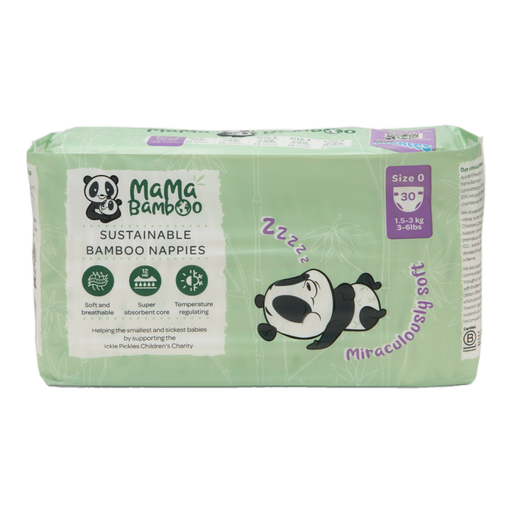
Why It Stands Out: Mama Bamboo stands out for its strong ethical credentials, being the first UK nappy company to achieve B-Corp certification. The nappies are made from 100% sustainably certified bamboo viscose and come in fully compostable packaging, making them a leading choice for environmentally-minded parents.
Pros:
Who is it for: Parents of newborns (1.5-3 kg) who prioritise premium, skin-friendly materials and want a product with verifiable ethical and environmental commitments.
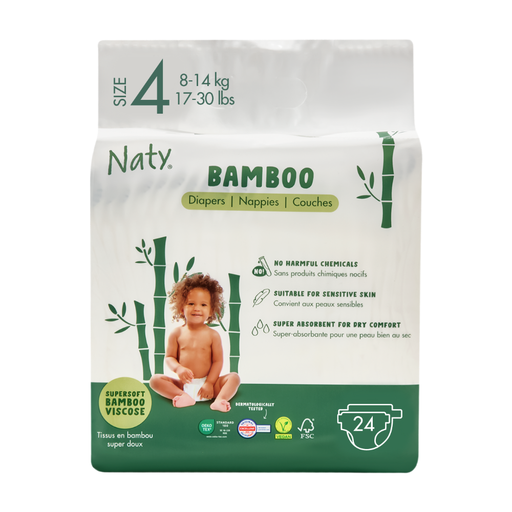
Why It Stands Out: Naty combines silky bamboo viscose with a plant-based top sheet, focusing on superior airflow and a flexible fit. These natural nappies are engineered to provide lasting dryness while accommodating the movements of an active baby or toddler.
Pros:
Who is it for: Parents with growing babies and toddlers who need a dependable, breathable and hypoallergenic nappy that can keep up with an active lifestyle.

Why It Stands Out: As your child grows, the journey to potty training begins. These bamboo training pants from Naty offer a convenient, pull-up style that supports independence while maintaining the soft, skin-friendly and sustainable qualities of bamboo.
Pros:
Who is it for: Parents of toddlers who are starting their potty-training journey and need a comfortable, reliable and eco-friendly alternative to traditional nappies.
If the products above aren't quite the right size or style, or if you'd like to see more from our curated collection, there are many other choices available.
Explore our complete range of bamboo pants to find the perfect fit for every stage of your child's development.
1. Are bamboo nappies really better for the environment? Bamboo is a highly renewable resource that grows quickly with less water and no need for pesticides. Many bamboo nappies also use a higher proportion of plant-based materials and come in compostable nappies packaging, which helps reduce the reliance on fossil fuel-based plastics found in many conventional disposables. While no disposable nappy is entirely without impact, they represent a more sustainable choice for many families.
2. Can bamboo nappies help with nappy rash? Bamboo viscose is naturally very soft, breathable and has moisture-wicking properties. These characteristics help keep a baby's skin drier and reduce friction, which are key factors in preventing irritation. Furthermore, most hypoallergenic nappies made from bamboo are free from common irritants like chlorine, alcohol and fragrances, making them a suitable option for babies with sensitive skin.
3. Are bamboo nappies as absorbent as regular nappies? Modern eco-friendly nappies are designed with performance in mind. They typically use a highly effective absorbent core made from a combination of chlorine-free fluff pulp and Super Absorbent Polymer (SAP). This structure is engineered to quickly draw in and lock away moisture, offering dryness and leak protection that is comparable to many leading conventional nappy brands.