
24/7 Customer Support

Free returns

Same-day & Next-day Delivery

Quality Guaranteed

Unlock Your Welcome Offers: FREE Delivery | Up to 80% OFF | Free 30-day JoyPlus trial
Download the APP
As a parent in the UK, finding the right nappy can feel like a balancing act. You want something that keeps your baby comfortable and dry, but you are also conscious of the irritation caused by harsh chemicals and the environmental impact of daily disposables. The growing market for eco-friendly nappies offers more choice than ever, but it can also bring confusion.
This guide is designed to cut through the clutter. As the Joybuy Product Recommendation Officer, my role is to provide clear, practical information to help you choose the right products for your family. Here, we will explore what makes bamboo nappies a popular choice for sensitive skin, what to look for when buying and share some of our top recommendations for 2026.
Making an informed decision is easier when you know what to look for. Here are a few key considerations when comparing eco-friendly nappies.
The main appeal of bamboo nappies is the material itself. Bamboo viscose is known for its exceptional softness and breathability, which helps to keep your baby's skin dry and reduce the risk of nappy rash. For little ones with delicate skin, choosing hypoallergenic nappies is crucial. Look for products that are explicitly free from common irritants such as chlorine, fragrances, lotions and phthalates. Many high-quality plant-based nappies also use materials like corn starch for their liners, further reducing exposure to synthetic materials.
A nappy is only as good as its ability to prevent leaks. A high-performance absorbent core is essential, especially for overnight use. Look for features like a multi-layer core that locks moisture away from the skin. The fit is equally important. A good nappy should have a flexible, stretchy waistband and secure leg cuffs that move with your baby without digging in or leaving gaps. This ensures comfort and reliable leak protection, whether your baby is sleeping or crawling.
While the nappy itself is important, the overall environmental impact includes its packaging. When searching for sustainable nappies UK, consider brands that use compostable or recyclable packaging. The term biodegradable nappies can sometimes be misleading, as not all components may break down under typical landfill conditions. However, nappies made predominantly from plant-based materials represent a significant step forward from traditional plastic-based disposables.
Based on their features, materials and user-focused design, here are some standout options available on Joybuy.
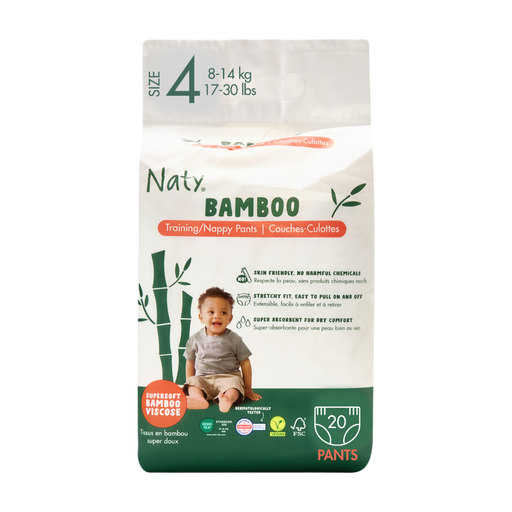
Why It Stands Out: These bamboo training pants are specifically designed for the potty-training stage. They combine the convenience of a pull-up design with the skin-friendly benefits of bamboo, providing a comfortable transition for active toddlers.
Pros:
Who is it for?: Parents of toddlers who are ready for potty training and need a reliable, pull-up style pant that is gentle on the skin.
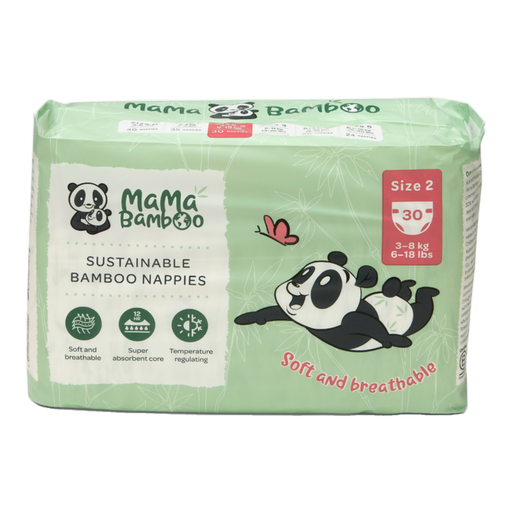
Why It Stands Out: This nappy is a strong contender for parents who prioritise both performance and sustainability. It combines a highly absorbent core with impressive eco-credentials, including fully compostable packaging. According to The Ethical Consumer, Mama Bamboo is the highest-scoring nappy brand.
Pros:
Who is it for?: Environmentally conscious parents of younger babies (3-8 kg) seeking a high-performance nappy with excellent absorbency and a minimal environmental footprint.
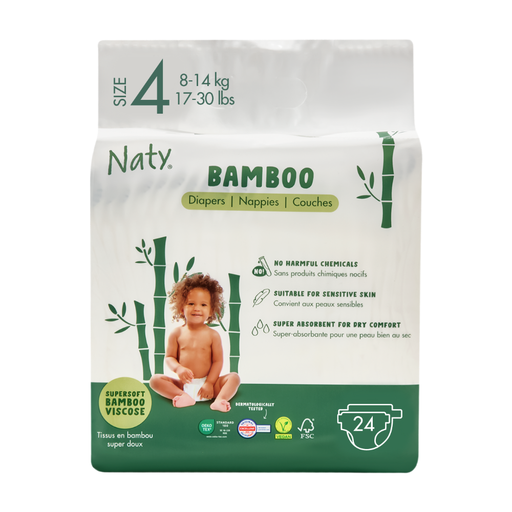
Why It Stands Out: This nappy offers a great all-around balance of comfort, safety and practicality for growing babies. The use of silky bamboo viscose and a plant-based top sheet ensures a gentle touch, while the flexible fit accommodates active toddlers.
Pros:
Who is it for?: Parents looking for a dependable and skin-friendly nappy for older babies and toddlers, with the added convenience of a wetness indicator.
If you appreciate the soft, breathable and eco-friendly qualities of bamboo for your baby, you may be interested in other products made from this versatile material. The benefits of bamboo extend well beyond nappies.
Discover our curated selection of comfortable and gentle bamboo trousers, perfect for pairing with a comfortable top for everyday wear.
Bamboo is a highly renewable resource that grows quickly and typically requires significantly less water and no pesticides compared to conventional cotton. While the term biodegradable nappies can be complex, as some components like fastening tabs may not be compostable, nappies made with a high percentage of plant-based materials are a more sustainable choice than traditional disposables. To further reduce your environmental impact, look for brands that use compostable or recyclable packaging.
Yes, they are often an excellent choice. The natural fibres of bamboo are incredibly soft and smooth, which reduces friction against the skin. Furthermore, their breathable nature helps maintain airflow, keeping the skin drier and less prone to irritation. High-quality hypoallergenic nappies made from bamboo are also formulated without common triggers like chlorine, alcohol and fragrances, making them ideal nappies for sensitive skin.
Bamboo disposable nappies offer a practical middle ground. They provide many of the skin and environmental benefits associated with natural fibres, but with the convenience of a disposable. For parents who find the washing and maintenance of cloth nappies challenging, or for situations like travel or nursery days, bamboo nappies are a fantastic alternative that doesn't compromise on your sustainable values.