
24/7 Customer Support

Free returns

Same-day & Next-day Delivery

Quality Guaranteed

Unlock Your Welcome Offers: FREE Delivery | Up to 80% OFF | Free 30-day JoyPlus trial
Download the APP
From the satisfying crunch in a Thai green curry to the tender morsels in a Chinese hot pot, bamboo shoots are a cornerstone ingredient in many Asian cuisines. Yet, for many UK home cooks, navigating the options can be confusing. Choosing the wrong type can lead to a disappointing meal, with flavours that clash or textures that fall flat. As a Joybuy Product Recommendation Officer, my role is to help you understand the key differences so you can select the perfect bamboo shoots for your culinary needs.
Before you add a can or packet to your basket, let's look at a few common pitfalls that can lead to wasted money and lacklustre dishes.
To ensure you get the right product every time, focus on these two core parameters.
This is the most critical factor. The way the bamboo is preserved dictates its base flavour and how you should use it.
The form of the bamboo shoot affects the final texture of your meal.
To make your choice easier, here are a few options matched to specific cooking styles and needs.
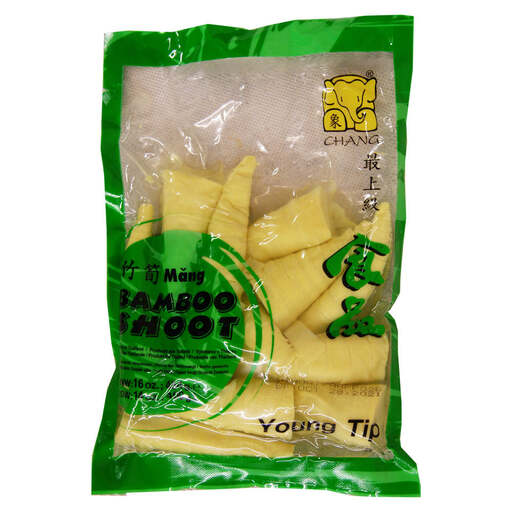
Why This Fits Their Persona: For someone hosting a hot pot night, texture is paramount. These young tips are specifically chosen for their ability to stay crisp-tender even after simmering in a flavourful broth, absorbing the soup's taste without falling apart.
It avoids the 'cut and texture' error. Unlike thin slices that go soft, these bamboo shoot tips are robust enough for the hot pot environment, ensuring a satisfying crunch in every bite.
Vacuum-sealed to preserve a fresher, less 'canned' taste and texture. The ingredients are simple: just bamboo shoots, water and citric acid.
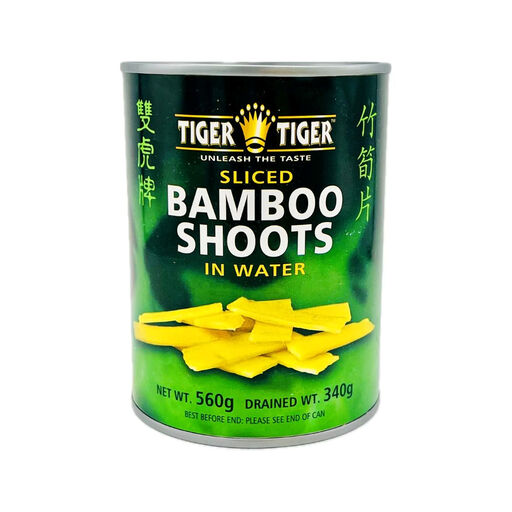
Why This Fits Their Persona: Convenience is key for a quick weeknight meal. These pre-sliced shoots are a pantry staple that can be rinsed and tossed directly into a wok, saving valuable prep time while adding essential crunch and bulk to any stir-fry.
This product avoids the 'flavour mismatch' trap. As plain sliced bamboo shoots in brine, they won't introduce unwanted sour or spicy notes, allowing the cook to build their own sauce profile from scratch.
The large 567g can offers great value and is ideal for family meals or batch cooking. The pre-sliced format ensures quick, even cooking.
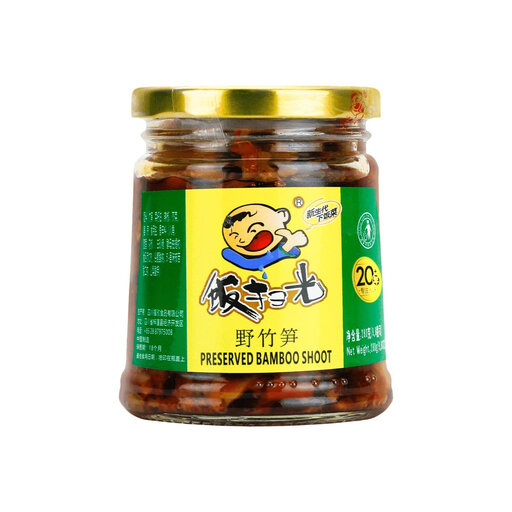
Why This Fits Their Persona: For those seeking bold flavours and instant gratification, this is an ideal choice. It's a fully seasoned, spicy bamboo shoot dish designed to be eaten straight from the jar as a compelling side dish with rice or noodles.
This product directly addresses the 'preparation pitfall' by being explicitly marketed as ready to eat. There's no need for rinsing or cooking, delivering the intended flavour experience immediately.
Offers a complex, savoury and spicy flavour profile from ingredients like soybean oil, linseed oil and peppers. It's a complete, convenient side dish in a jar.
We have compiled a complete, real-time list of products that fully satisfy these strict selection criteria and UK safety regulations.
It depends on the product and your recipe. For plain canned bamboo shoots in brine, they are already cooked and safe to eat. However, most people prefer to rinse them thoroughly under cold water to remove the brine flavour. For use in hot dishes like stir-fries or soups, you simply add them towards the end of cooking to heat them through and allow them to absorb the dish's flavours. For cold dishes like salads, they can be used after rinsing. Always check the label for specific instructions.
That metallic or briny taste is a common concern. The most effective method is to drain the bamboo shoots from the can or packet and rinse them well under fresh, cold running water for at least a minute. For an even cleaner taste, you can blanch them by placing them in a pot of boiling water for 2-3 minutes, then draining them again before use. This helps to remove any lingering flavours from the preservation process.
While not for eating directly, bamboo leaves are a crucial wrapper in Asian cooking, most famously for making zongzi (sticky rice dumplings). The leaves must be rehydrated by soaking in water before use. They impart a subtle, earthy fragrance to the food they are wrapped around during steaming or boiling. They are a completely different product from the edible bamboo shoots discussed in this guide.