
24/7 全天候客户支持

免费退货

当日/次日达

品质保障

开启新人专享福利: 全场免邮 | 低至 2 折 | 免费试用 30 天 JoyPlus 会员
下载 Joybuy
Making more sustainable choices at home is a goal for many of us, and switching to eco-friendly toilet paper seems like a simple first step. Yet, the market is filled with options that can be confusing. Navigating claims of "green" materials and "extra-long" rolls can feel like a chore, leaving you wondering if you are truly making a better choice for your wallet and the planet.
As the Joybuy Product Recommendation Officer, my role is to help you see past the marketing jargon. Many shoppers fall into a few common traps when buying sustainable toilet roll. By understanding them, you can make a choice that genuinely aligns with your values and household needs.
To avoid these pitfalls, focus on a few key product specifications. These details will tell you more about a product's quality and value than any flashy packaging.
The two main players in the sustainable toilet roll market are bamboo and recycled paper. Neither is inherently "better"; they simply offer different environmental advantages.
Do not be swayed by the number of rolls in a pack alone. To understand what you are really getting, look at these three factors:
For many households, especially those with children or sensitive skin, what is not in the toilet paper is as important as what is.
Instead of a one-size-fits-all approach, we have matched a few standout products to different household needs and priorities.
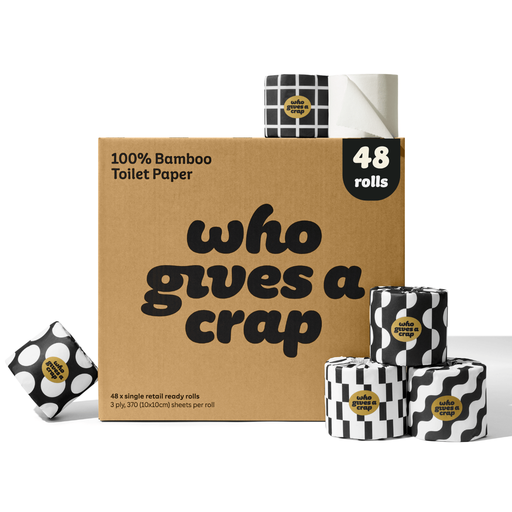
Why This Fits Their Persona: This bulk pack is ideal for busy families who want to stock up without frequent trips to the shop. The double-length rolls reduce the replacement chore, and the 100% bamboo material aligns with a strong commitment to sustainability.
It tackles the "value illusion" by offering 370 sheets per roll, providing clear, long-term value. Its plastic-free packaging and 100% bamboo sourcing also cut through "greenwashing" claims.
Combines bulk convenience with strong eco-credentials. The 3-ply construction is soft and durable, and it is free from inks, dyes and scents.
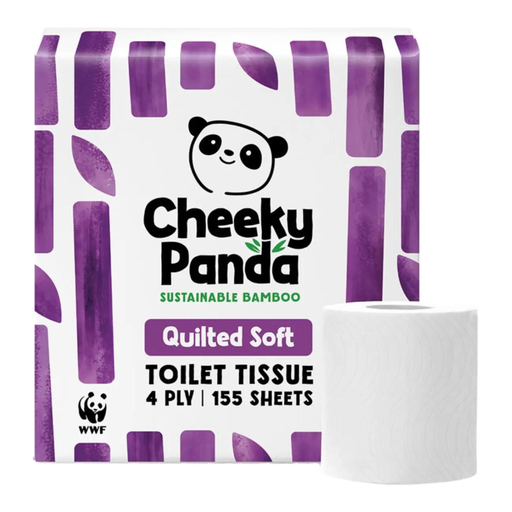
Why This Fits Their Persona: For those who prioritise a premium feel, this product's quilted texture is designed for extra softness. It is an excellent choice for households with sensitive skin or for anyone unwilling to compromise on comfort.
It directly counters the "comfort compromise" fear. The quilted 3-ply design is specifically engineered to provide a soft, thick feel that rivals conventional luxury brands.
The quilted embossing creates a noticeably softer texture. It is made from sustainable bamboo and is free of bleaches and fluorescent agents.
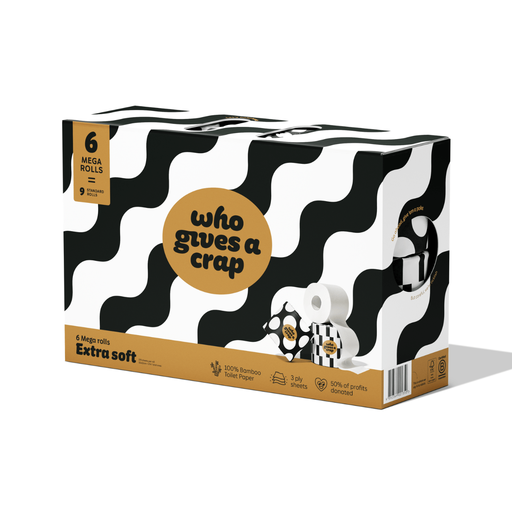
Why This Fits Their Persona: If you are curious about bamboo toilet paper but not ready to commit to a huge box, this smaller 6-pack is the perfect entry point. It allows you to experience the quality and softness firsthand without a large upfront investment.
This pack offers a low-risk way to test the waters. You can personally verify the softness and strength, ensuring it meets your standards before considering a larger, more economical bulk purchase.
Provides the same premium, 100% bamboo, 3-ply quality as the larger packs in a manageable trial size. It is still double-length, offering good sheet count per roll.
We have compiled a complete, real-time list of products that fully satisfy these strict selection criteria and UK safety regulations.
Yes, the vast majority of bamboo toilet paper sold in the UK is 100% biodegradable and designed to be safe for standard septic tanks and plumbing systems. The natural fibres break down easily. However, for very thick rolls (4-ply or more), it is a good practice to flush smaller amounts at a time to prevent any potential for clogging, especially in older systems.
Generally, toilet paper made from 100% bamboo fibre tends to be softer than most recycled options. This is because bamboo fibres are naturally longer and smoother, which translates to a silkier feel. That said, manufacturing technology for recycled paper has advanced, and many high-quality recycled rolls now offer a very soft and comfortable experience.
The most reliable method is to calculate the price per 100 sheets. Ignore the number of rolls and focus on two figures: the total price of the pack and the total number of sheets (sheets per roll × number of rolls). This allows you to compare a small pack with a bulk box and see which offers better long-term value.