
24/7 Customer Support

Free returns

Same-day & Next-day Delivery

Quality Guaranteed

Unlock Your Welcome Offers: FREE Delivery | Up to 80% OFF | Free 30-day JoyPlus trial
Download the APP
Navigating the baby food aisle can feel overwhelming. Shelves are packed with colourful pouches and boxes, all promising wholesome goodness for your little one. When it comes to a staple like banana baby food, the choices are endless, but so are the potential pitfalls. As a parent, you want something simple, nutritious and safe, but marketing messages can often obscure what truly matters.
My role as Joybuy's Product Recommendation Officer is to help you see past the hype. Before you add another pouch to your basket, let's look at the common traps that many parents fall into and how you can avoid them to make a choice that's right for your family.
To ensure you're buying a product that truly benefits your child, focus on these key parameters instead of just the front-of-pack claims.
A baby's feeding skills evolve rapidly. The texture of their food should support this development.
The back of the pack tells the real story. A shorter, more recognisable ingredient list is often a good sign.
For a more complete meal or snack, look beyond just the fruit. A good banana baby cereal, for example, should be fortified with key nutrients. Pay attention to:
To make things simpler, here are a few products matched to specific parenting needs, all of which navigate the common pitfalls effectively.
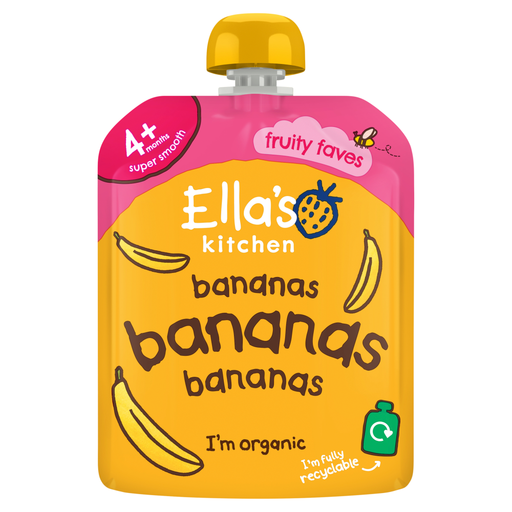
Why This Fits Their Persona: Ideal for the first stage of weaning, this pouch offers a simple, single-fruit introduction to solids without overwhelming a baby's new palate. It's a straightforward choice for parents who want purity and simplicity.
It sidesteps the "hidden sugar" trap by using only 100% organic bananas and a dash of lemon juice. There are no fruit concentrates or other sweeteners. Its super-smooth texture is perfectly matched to the 4+ month stage, avoiding texture-related issues.
The ingredient list is as simple as it gets: organic bananas and a little organic lemon juice. It's also gluten-free and comes in a convenient baby food pouch.
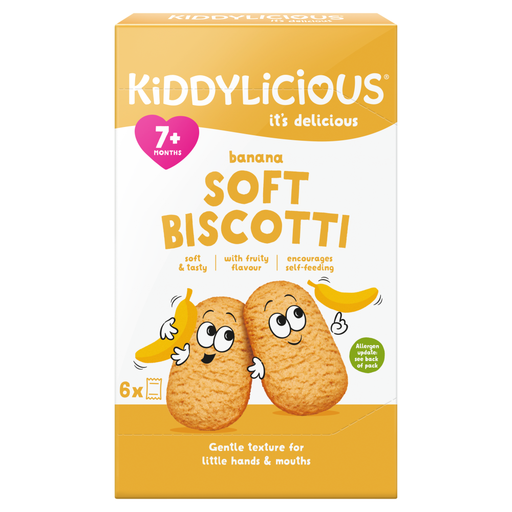
Why This Fits Their Persona: For parents navigating baby-led weaning or simply wanting to help their little one develop motor skills, these biscotti are shaped for small hands and have a texture that's firm enough to hold but soft enough for gentle gums.
This product directly solves the "inappropriate texture" problem for finger foods. Unlike hard rusks, its 'soft-baked' texture is specifically designed for babies with few or no teeth, reducing parental anxiety about choking hazards.
It encourages self-feeding and is enriched with calcium and thiamin (Vitamin B1). The use of apple juice concentrate and banana powder provides a natural sweetness.
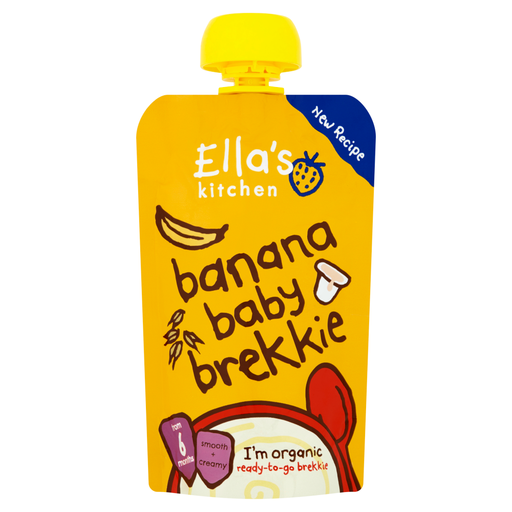
Why This Fits Their Persona: For busy mornings or when you need a more substantial meal than just fruit, this pouch provides a balanced breakfast combining fruit, dairy and grains. It's a convenient, all-in-one solution.
This product avoids the "organic halo" trap by offering genuine nutritional balance. It's not just organic fruit; the inclusion of whole milk yoghurt and oat flour provides protein and complex carbohydrates for sustained energy, making it a proper meal.
It's a complete, 100% organic breakfast in a pouch. The smooth, creamy texture is ideal for the 6+ month stage, and it contains no added sugar.
We have compiled a complete, real-time list of products that fully satisfy these strict selection criteria and UK safety regulations.
The primary difference is texture and complexity. A 4+ month pouch is typically a very smooth, single-ingredient puree designed for a baby's first experience with solids. A 7+ month pouch will often have a thicker consistency, may include soft, mashable lumps to encourage chewing, and might combine banana with other ingredients like other fruits, grains or yoghurt to introduce new flavours.
The concern with pouches is not the food itself, but how it's consumed. Allowing a baby to suck directly from the pouch for extended periods can keep the food (and its natural sugars) in contact with their teeth for too long. The recommended practice is to squeeze the contents of baby food pouches onto a spoon or into a bowl. This promotes better eating habits and protects dental health. Always ensure you are cleaning your baby's teeth, especially before bedtime.
While banana is a nutritious fruit, variety is key to a healthy diet. Offering the same food every day can lead to a fussy eater and may limit the range of nutrients they receive. It's a good practice to rotate banana-based meals with other fruit and vegetable purees to expose your baby to a wide spectrum of flavours and nutrients.