
24/7 Customer Support

Free returns

Same-day & Next-day Delivery

Quality Guaranteed

Unlock Your Welcome Offers: FREE Delivery | Up to 80% OFF | Free 30-day JoyPlus trial
Download the APP
A barbecue grill can be a useful investment for garden meals, balconies where permitted, camping trips and everyday indoor cooking. However, product listings often focus on headline wattage, “non-stick” surfaces or compact designs without explaining how the grill will fit your routine.
The most common buying mistakes are usually practical rather than technical:
Before comparing models, consider where you will cook, how many people you normally serve and whether you need a dedicated barbecue grill or a more versatile cooking surface.
The stated cooking surface is more useful than the product’s overall dimensions. A grill measuring 27.5 x 18 cm, for example, may suit one or two portions, while a 34 cm camping grill pan offers a broader surface for food over a camp stove or fire.
Also check the folded or stored size. A large outdoor cooking grill may work well in a garden but be inconvenient in a flat, shed or car boot. For camping, look for a manageable weight, stable supports and a handle or storage design that reduces movement during transport.
An electric contact grill should list its wattage, voltage and control method. The Princess Contact Grill uses 1800 W and operates at 220–240 V, 50/60 Hz, with an adjustable thermostat. These details help you understand whether the appliance is compatible with a UK household supply and whether you can adjust heat for different ingredients.
For a portable barbecue grill, check whether it is designed for charcoal, a camp stove, a portable gas burner or direct use over a campfire. Never assume that a cooking pan or cage includes a heat source. Outdoor flames also require careful positioning away from tents, dry grass, overhanging branches and other flammable materials.
A non-stick grill pan can reduce the need for added oil, but it still requires suitable utensils and cleaning methods. Avoid metal tools if the surface instructions advise against them. Allow cookware to cool before washing and avoid sudden temperature changes that may affect the material.
For outdoor equipment, stainless steel can be a practical choice because it is commonly selected for resistance to moisture and regular handling. A stainless steel barbecue cage should still be dried after cleaning and stored in a dry place. Look for detachable components where possible, as these are generally easier to inspect and clean than permanently enclosed mechanisms.
For appliances, check that the plug, power cord, controls and instructions are supplied. Hot surfaces should remain away from children, and an electrical grill must never be immersed in water.
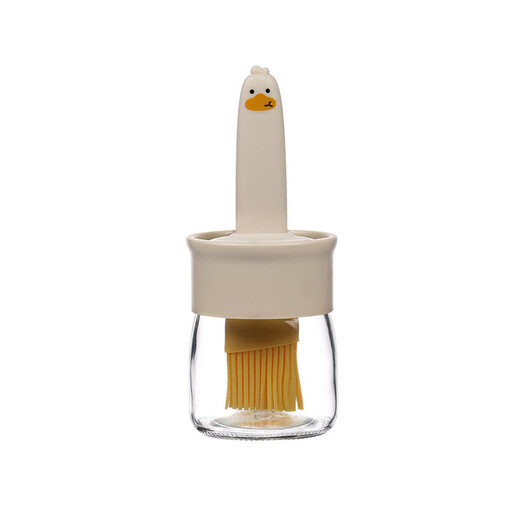
Why This Fits Their Persona: A straightforward addition for new barbecue users who want to apply oil more evenly without buying a large set of grilling accessories.
The bottle-and-brush format helps you consider oil control and storage rather than relying on excessive oil or disposable alternatives.
Glass bottle format; brush suitable for baking and barbecue preparation.
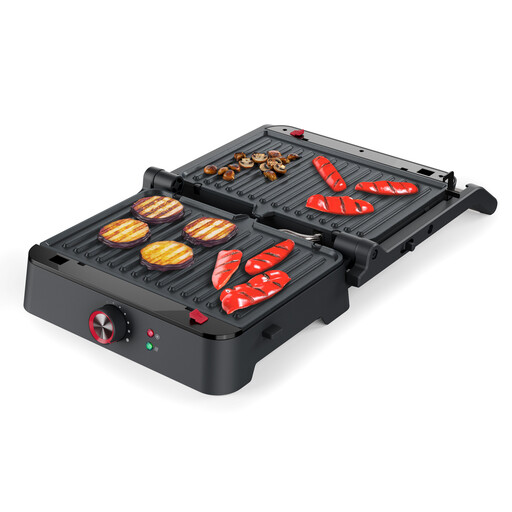
Why This Fits Their Persona: Suitable for UK kitchens where one appliance needs to handle toasted sandwiches, vegetables and grilled foods without taking up permanent worktop space.
Its stated cooking area, adjustable thermostat and detachable plates provide more useful information than wattage alone.
1800 W output; 180° opening; detachable non-stick plates; 2-year manufacturer’s warranty.
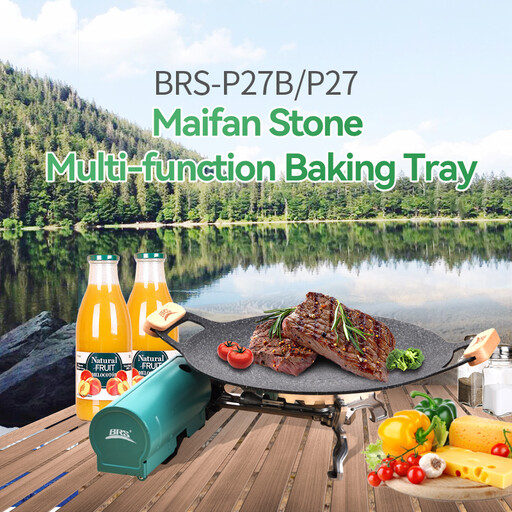
Why This Fits Their Persona: Designed for campers and outdoor cooks who use camp stoves, portable gas burners or suitable campfire arrangements.
The 34 cm diameter and anti-slip ring make the intended outdoor use clearer than a generic “portable” label.
34 cm cooking diameter; heat-resistant wooden handle; anti-slip ring; listed compatibility with camp stoves and portable burners.
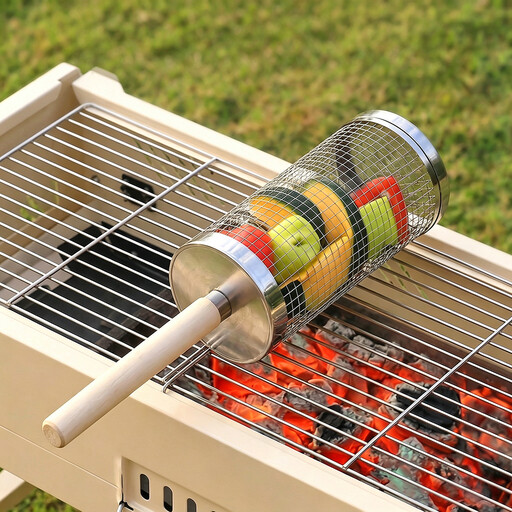
Why This Fits Their Persona: A compact option for outdoor users who want a rotating barbecue basket-style design for suitable food and controlled cooking conditions.
The product name identifies a small, portable stainless steel cage, helping buyers set realistic expectations about capacity.
Portable format; round rotating cage design; stainless steel construction stated in the listing.
We have compiled a complete, real-time list of products that fully satisfy these strict selection criteria and UK safety regulations.
Only use a grill indoors if the manufacturer specifically designs it for indoor electrical use. Charcoal, gas and open-flame equipment can create fire and carbon monoxide risks and should not be used inside a home, tent or enclosed shelter. An electric contact grill should sit on a dry, stable, heat-resistant surface with clearance around it.
Clean it according to the supplied instructions, avoid metal utensils on coated surfaces and dry outdoor cookware thoroughly before storage. Do not immerse an electrical grill, and allow hot pans, plates and cages to cool before handling. Inspect handles, coatings, cables and fixings regularly; stop using damaged equipment.
Not necessarily. Wattage indicates electrical power input, but cooking results also depend on the surface area, thermostat, heat distribution, lid design and food quantity. Compare these specifications together rather than selecting an electric grill on wattage alone.