
24/7 Customer Support

Free returns

Same-day & Next-day Delivery

Quality Guaranteed

Unlock Your Welcome Offers: FREE Delivery | Up to 80% OFF | Free 30-day JoyPlus trial
Download the APP
Moving beyond instant coffee or pod machines is a significant step for any coffee lover. If you find yourself longing for the rich aroma and complex flavour of a café-quality flat white or espresso, but feel overwhelmed by the technical jargon and sheer number of options, you are in the right place. Bringing the coffee shop experience home is about more than just convenience; it is about embracing the craft of brewing.
This guide is designed to help you navigate the world of the barista coffee machine. We will break down the essential features to look for, from grinders to steam wands, so you can find a home espresso machine that suits your space, budget and ambition. Whether you dream of pouring the perfect rosetta as a latte art machine for home or simply want to pull a consistently delicious shot of espresso, we are here to provide clear, practical advice.
Before diving into specific models, understanding a few key features will help you make a more informed decision.
The foundation of any great espresso is freshly ground coffee. You have two main options: a coffee machine with grinder built-in (often called a bean-to-cup machine) or a separate grinder.
If you enjoy cappuccinos, lattes or flat whites, the steam wand is a critical component. A manual espresso machine with steam wand gives you complete control over the milk texturing process. Look for a machine with a powerful, high-pressure wand that can create the silky "microfoam" needed for pouring latte art, rather than just producing bubbly froth. This is what turns a simple coffee maker into a cappuccino maker machine.
Two technical elements are fundamental to a good espresso extraction:
Here are our recommendations for machines that offer a hands-on, rewarding coffee-making experience at home.
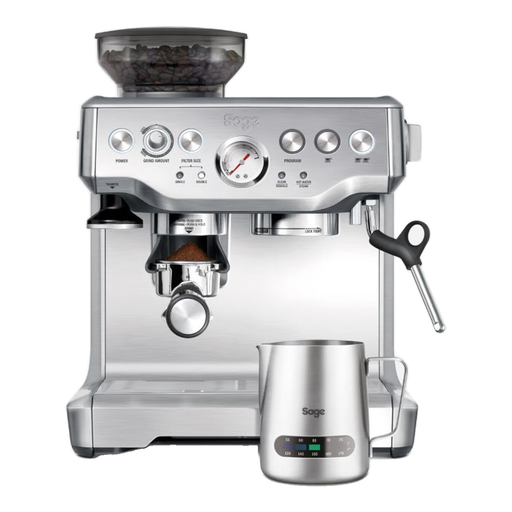
Why It Stands Out: The Sage Barista Express is a popular all-in-one solution that bridges the gap between beginner-friendly features and genuine barista-level control. It integrates a conical burr grinder, precise temperature control and a manual steam wand into a single, stylish unit. This bean to cup coffee machine with milk frother is designed to guide you through the four key elements of café-quality coffee: dose, temperature, pressure and steam.
Pros:
Who is it for?: Aspiring home baristas who want a complete, integrated setup that offers room to grow their skills without needing to buy separate components.
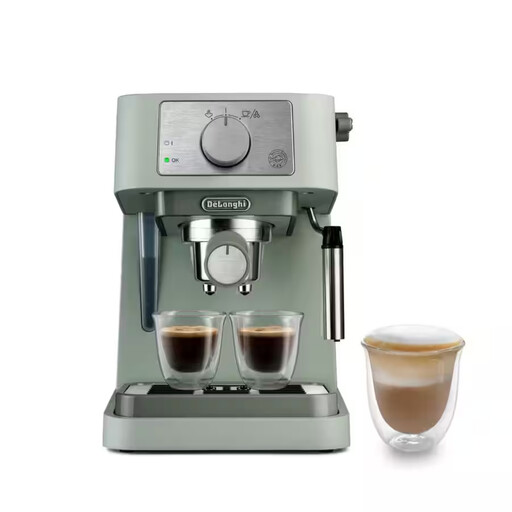
Why It Stands Out: The De'Longhi Stilosa is a compact and accessible manual espresso machine that focuses on the essentials. It delivers the 15-bar pump pressure needed for a rich espresso with good crema and features a stainless steel manual steam wand for frothing milk. Its small footprint and straightforward operation make it a practical choice for smaller kitchens or for those taking their first step into manual espresso making.
Pros:
Who is it for?: Beginners, students or anyone with limited kitchen space who wants a reliable, no-frills machine to learn the basics of espresso and milk steaming.
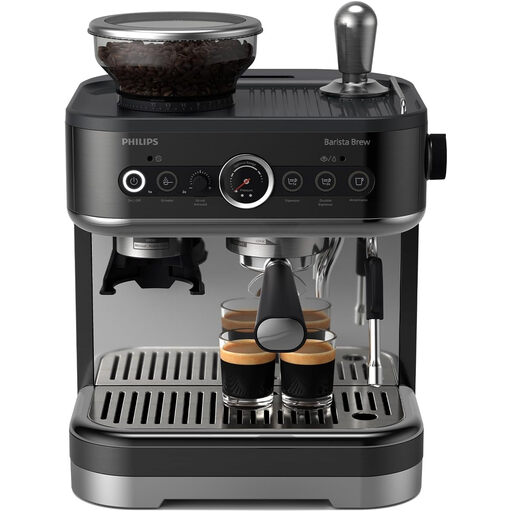
Why It Stands Out: The Philips Barista Brew is aimed at the enthusiast who wants to refine their technique. It combines the convenience of an integrated grinder with professional-grade features, most notably a 58mm portafilter—the same size used in commercial cafés. This, along with a pressure gauge and PID temperature control, provides the feedback and stability needed to experiment with grind size, dose and tamping pressure to perfect your shot.
Pros:
Who is it for?: Coffee enthusiasts who enjoy the hands-on process and want a machine with professional-style features to help them fine-tune every aspect of their espresso.
Once you have chosen your machine, the next step is perfecting your milk-based drinks. The type of milk you use can significantly impact the texture and taste of your latte or cappuccino. To achieve that silky-smooth finish, explore our range of barista-style milks, which are formulated to perform well under steam.
A regular coffee machine, like a drip or pod machine, is typically automated and designed for convenience. A barista coffee machine, or home espresso machine, is designed to replicate the process used in cafés. It uses high pressure to force hot water through finely-ground, compacted coffee to create a concentrated shot of espresso. It also usually includes a manual steam wand, giving you the hands-on control needed to make a wide range of drinks like lattes, flat whites and macchiatos.
This depends on your preference for convenience versus control. A coffee machine with grinder is an excellent all-in-one solution that saves space and simplifies your workflow. However, if you are a dedicated enthusiast, a separate, high-quality grinder offers more precision and the ability to upgrade your setup in the future. For most people starting out, an integrated grinder is more than sufficient.
Absolutely. The key to a great cappuccino is not just the espresso shot but also the milk texture. A good home espresso machine with a powerful manual steam wand allows you to heat and aerate the milk to create a velvety microfoam. With a little practice, you can achieve the same rich taste and texture you would expect from your favourite coffee shop.