Bringing the rich aroma and complex flavours of a café into your own kitchen is a rewarding experience. Yet, moving from simple pod or filter coffee to a proper barista coffee machine can feel daunting. With so many features, brands and price points, it's easy to get lost in the technical details.
This guide is designed to cut through the clutter. As the Joybuy Product Recommendation Officer, my role is to provide clear, practical information to help you find a machine that fits your space, budget and coffee ambitions. We will look at key features to consider and highlight a few models that stand out for different types of users, from the complete beginner to the aspiring home barista.
Key Considerations When Choosing a Home Espresso Machine
Before diving into specific models, understanding a few core concepts will help you make a more informed decision.
Manual vs. Bean-to-Cup: What's the Difference?
The main distinction lies in the level of automation and control.
- Manual Coffee Machine: This type requires you to use pre-ground coffee (or grind it separately), dose and tamp it into the portafilter yourself and manually start and stop the espresso shot. It offers a hands-on, traditional experience and is often a more affordable entry point.
- Bean-to-Cup Coffee Machine (UK models): These machines, like the Sage Barista Pro or some De'Longhi coffee machine models, feature an integrated grinder. You pour whole beans into a hopper and the machine grinds the exact amount you need on demand. This offers superior freshness and convenience while still providing manual control over the brewing and milk frothing process.
Understanding Pump Pressure: Why 15 Bar Matters
You will often see "15 bar espresso machine" listed as a key feature. This refers to the pressure the pump can generate to force hot water through the tightly packed coffee grounds. While the ideal extraction pressure at the group head is around 9 bars, a 15-bar pump ensures the machine has more than enough power to consistently achieve this, resulting in a rich, flavourful espresso with a stable crema.
The Steam Wand: Your Key to Lattes and Cappuccinos
If you enjoy milky coffees like cappuccinos, flat whites or lattes, an espresso machine with a steam wand is essential. This attachment injects high-pressure steam into cold milk, simultaneously heating it and creating a fine, velvety microfoam. The quality of the steam wand can significantly impact your ability to create silky smooth milk, which is the foundation of a good cappuccino maker for home and a prerequisite for attempting coffee machine for latte art.
Top Barista Coffee Machine Recommendations
Here are a few recommendations that cater to different needs and skill levels, helping you create authentic, café-style coffee at home.
De’Longhi Stilosa, Barista Espresso Machine & Cappuccino Maker
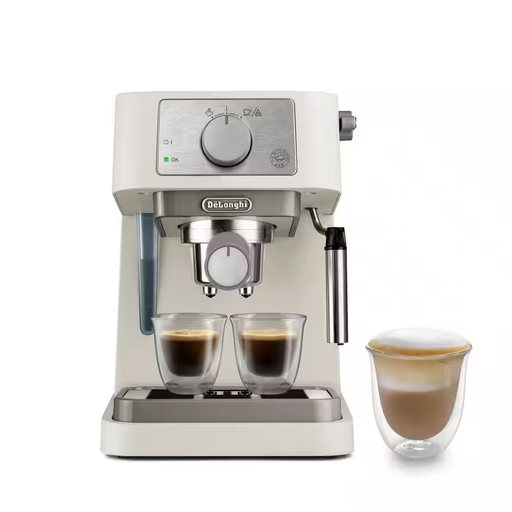
View the De’Longhi Stilosa, EC260.CR
- Why It Stands Out: The Stilosa is an excellent starting point for anyone new to manual espresso. It combines a compact, stylish design with the essential features needed for authentic coffee. Its straightforward controls and durable stainless steel boiler make it a reliable and unintimidating choice for daily use.
- Pros:
- 15-Bar Pump Pressure for rich espresso extraction.
- Manual stainless steel steam wand for frothing milk.
- Compact footprint, ideal for smaller kitchens.
- Compatible with both ground coffee and E.S.E. pods for flexibility.
- Includes single and double shot filter baskets and a tamper.
- Who is it for: Coffee lovers taking their first step into the world of home espresso, or those with limited counter space who want a capable, no-fuss machine.
De’Longhi La Specialista Arte, Manual Bean To Cup Coffee Machine
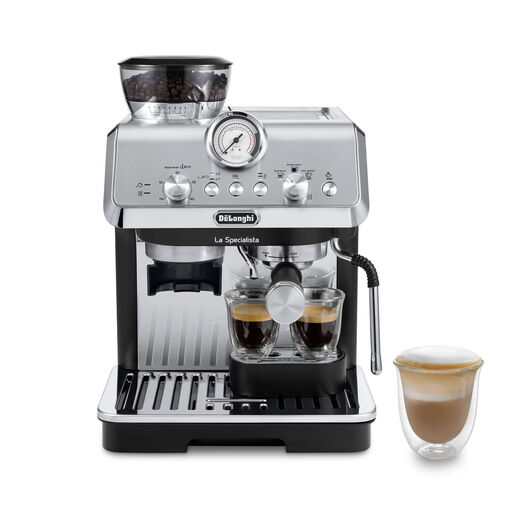
View the De’Longhi La Specialista Arte, EC9155.MB
- Why It Stands Out: The La Specialista Arte is a complete barista station in one unit. It bridges the gap between manual and automatic by integrating a high-quality burr grinder and providing a full barista kit. This allows you to control the entire process from bean to cup, with features like adjustable grind settings and temperature control to fine-tune your extraction.
- Pros:
- Integrated conical burr grinder with 8 grind settings.
- Active Temperature Control with three profiles to match different beans.
- Includes a professional barista kit (tamper, mat, dosing funnel, milk jug).
- My Latte Art steam wand designed for creating smooth microfoam.
- Three pre-set recipes: Espresso, Long Black and Hot Water.
- Who is it for: The aspiring home barista who wants to learn and master the craft of espresso making, from grinding and tamping to pouring latte art.
Sage the Barista Pro Espresso Machine

View the Sage the Barista Pro, SES878BSS4GEU1
- Why It Stands Out: The Sage Barista Pro is built for speed and precision. Its standout feature is the ThermoJet heating system, which reaches the optimal extraction temperature in just 3 seconds. Combined with an intuitive LCD screen that provides real-time feedback, this machine removes the guesswork and waiting time from your morning coffee routine.
- Pros:
- ThermoJet heating system provides a 3-second heat-up time.
- Integrated conical burr grinder with 30 precise grind settings.
- Intuitive LCD interface displays grind and extraction progress.
- Powerful steam wand for creating silky microfoam quickly.
- Includes a 54mm portafilter and Dosing Funnel to reduce mess.
- Who is it for: The coffee enthusiast who values performance, speed and a modern, user-friendly interface to consistently produce high-quality drinks.
Looking for Accessories?
Creating perfect microfoam for latte art requires not only a powerful steam wand but also the right tool. A well-designed stainless steel milk jug with a precise pouring spout can make a significant difference.
For a high-quality jug to help you perfect your foam, explore our range of stainless steel milk frothing jugs.
Frequently Asked Questions
What is the difference between a barista machine and a regular coffee machine?
A barista coffee machine, or home espresso machine, uses high pressure (typically 9 bars or more) to extract a concentrated shot of espresso from finely-ground coffee. They almost always include a steam wand for milk. Regular coffee machines, like drip or filter brewers, use gravity to pass hot water over coarser grounds, producing a larger, less intense cup of coffee.
Is a 15-bar espresso machine a good choice?
Yes. A machine with a 15-bar pump is a solid choice. It indicates that the pump has sufficient power to consistently deliver the optimal 9 bars of pressure needed at the brew head for a proper espresso extraction, even with a very fine grind and firm tamp.
Can I use any coffee beans in a bean-to-cup machine?
You can use any whole coffee beans, but for the best results, it is recommended to use fresh, non-oily beans. Very dark, oily roasts can sometimes clog the internal mechanisms of a grinder over time. Look for beans marked as "espresso roast" or medium roasts and always check the "roasted on" date for maximum freshness.


