
24/7 Customer Support

Free returns

Same-day & Next-day Delivery

Quality Guaranteed

Unlock Your Welcome Offers: FREE Delivery | Up to 80% OFF | Free 30-day JoyPlus trial
Download the APP
Choosing Barking Heads dog food is not simply a matter of picking the flavour your dog prefers. You also need to match the recipe to age, activity, body condition, feeding style and any known dietary sensitivities. Packaging can highlight attractive ingredients such as chicken, lamb, salmon or vegetables, but the front of the pack does not tell the whole story.
This guide explains the main buying pitfalls, the specifications worth checking and suitable options for puppies, adult dogs, senior dogs and dogs needing healthy weight management.
Words such as “natural”, “grain-free” and “high meat content” may be useful, but they do not automatically mean a food is nutritionally suitable as a sole diet. Check that the product is labelled as a complete food for your dog’s life stage, rather than complementary food intended only as a topper.
A complete and balanced dog food should include appropriate vitamins and minerals, with feeding guidance based on body weight and activity. Always read the current product label, as formulations and packaging information can change.
Barking Heads wet dog food includes several grain-free recipes, which may appeal to owners looking for alternatives to cereal-based food. However, grain-free does not automatically mean hypoallergenic or appropriate for a dog with a diagnosed food allergy.
Some grain-free recipes use ingredients such as peas, potatoes, chickpeas or sweet potatoes. If your dog has persistent digestive problems, itching or another health concern, ask your vet for appropriate dietary advice instead of changing foods repeatedly.
Wet food contains considerably more moisture than dry food, so comparing crude protein or fat percentages directly can be misleading. A wet recipe may show a lower protein percentage simply because it contains around 76–79% moisture.
Portions also vary considerably between formats. If using Barking Heads wet dog food as a topper, reduce the amount of dry food rather than adding the pouch on top of the normal daily ration.
Select food labelled for the correct stage:
The feeding guide is a starting point, not a fixed prescription. Monitor your dog’s weight and shape regularly, particularly after neutering, reduced activity or a change in routine.
For dogs prone to weight gain, compare the declared calories per 100g where available, alongside crude fat and fibre. For example, Barking Heads All Hounder Fat Dog Slim Chicken has 343 kcal per 100g, with 24% crude protein, 9.5% crude fat and 4% crude fibre.
By comparison, the Bowl Lickin’ Chicken dry recipe lists 370 kcal per 100g, with 24% crude protein and 14% crude fat. Neither figure makes one food universally suitable; it simply shows why recipe selection and portion control matter.
Chicken dog food may suit dogs that already tolerate chicken, while lamb dog food or salmon dog food can provide flavour variety. Check the composition carefully if avoiding a particular protein.
Dry food is convenient for measured daily feeding and storage. Wet food offers individual 300g pouches or trays, but opened portions require refrigeration and should be used within the timeframe printed on the label. Store dry food in a cool, dry place and reseal the bag after opening.

Why This Fits Their Persona: A six-pouch mixed pack lets new owners try chicken, lamb and beef recipes before committing to a larger quantity. Each pouch contains 300g and is intended for adult dogs.
The variety format makes it easier to assess preference without buying a large single-flavour case. Check the feeding guide before using it as a topper.
Three flavours; grain-free complete wet recipes; 6 x 300g pack.
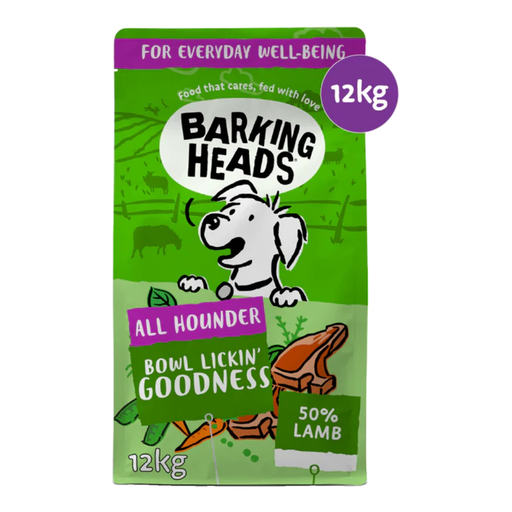
Why This Fits Their Persona: The 12kg dry-food format suits multi-dog households or owners who prefer fewer repeat purchases and have suitable airtight storage at home.
The ingredient list identifies lamb at 50%, while the analytical information states 24% crude protein and 12% crude fat. This gives a clearer basis for comparison than front-of-pack wording alone.
50% lamb; prebiotic ingredients; 12kg pack with measured dry portions.
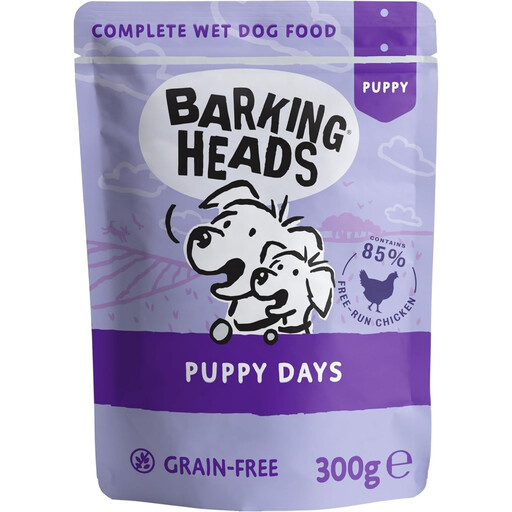
Why This Fits Their Persona: This puppy-specific wet recipe is designed for puppies of all breeds, making it a practical choice when owners want individually portioned food during the growth stage.
The pack is clearly designated for puppies and provides stated feeding examples for 5kg, 10kg and 20kg puppies. Transition gradually when changing food.
85% chicken ingredients; 10 x 300g pouches; grain-free recipe with 11% crude protein.
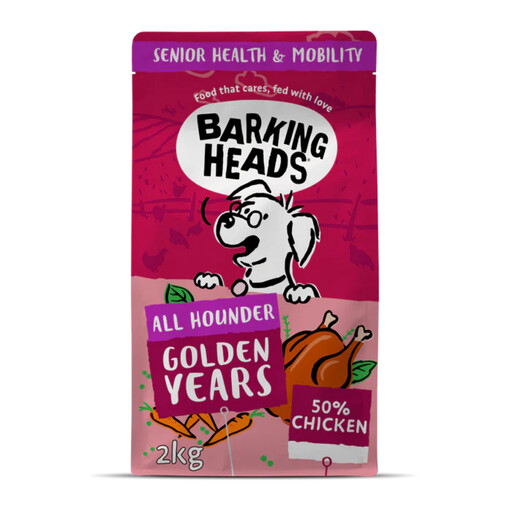
Why This Fits Their Persona: This dry recipe is labelled for senior dogs and comes in a manageable 2kg pack, useful for households wanting to introduce a life-stage food without storing a large bag.
It states a senior-dog purpose and provides feeding ranges by body weight. Portion adjustment remains important because age alone does not determine calorie needs.
50% chicken; 25% crude protein; added glucosamine, chondroitin and L-carnitine listed in the recipe.
We have compiled a complete, real-time list of products that fully satisfy these strict selection criteria and UK safety regulations.
Some recipes are grain-free and contain ingredients such as chicken, rice, oats, vegetables or lamb, depending on the product. Suitability depends on your dog’s individual tolerance. Introduce a new food gradually over approximately five to seven days and seek veterinary advice for recurring digestive symptoms.
Yes, several listed wet recipes provide instructions for use as either a complete meal or a topper. Reduce the dry-food portion when adding wet food, and follow the pack’s feeding guide. Refrigerate opened pouches and use them within the stated period, commonly 24 or 72 hours depending on the product label.
Options include Barking Heads weight control dog food such as Fat Dog Slim Chicken dry food and Wet Fat Dog Slim. These recipes have stated reduced or controlled fat specifications, but portion size, exercise and body condition still determine results. For a dog that is overweight or has a health condition, confirm a suitable feeding plan with your vet.