
24/7 Customer Support

Free returns

Same-day & Next-day Delivery

Quality Guaranteed

Unlock Your Welcome Offers: FREE Delivery | Up to 80% OFF | Free 30-day JoyPlus trial
Download the APP
By the Joybuy Product Recommendation Officer
Barley products cover a surprisingly wide range of shopping needs: pearl barley for soups, raw barley for traditional recipes, barley flour and barley rice for home cooking, roasted barley tea, ready-to-drink barley drinks, snacks and even barley straw for small-pet bedding.
That variety can make comparison difficult. A low price may hide a small pack, while a product described as “barley-based” may contain only a small percentage of barley alongside sugar, rice or other grains. Use this guide to check the details that matter before adding anything to your basket.
These are not interchangeable ingredients. Pearl barley is polished grain intended for cooking. Raw barley may require soaking and longer simmering. Barley flour is milled and may be used in drinks, baking or mixed-grain recipes. Barley grass powder is made from the young leaf rather than the mature grain.
Always check the ingredients list and preparation instructions rather than relying on the front-of-pack wording.
A roasted barley tea, a sweetened barley beverage and a fruit-and-barley squash have very different contents. Some are ready to drink, while others are concentrated or powdered products that require dilution.
For example, a caffeine-free barley drink may contain roasted barley alongside corn, brown rice or chicory. A fruit-and-barley squash may contain barley flour, fruit juice, sweeteners and preservatives. Compare the nutrition panel per 100ml and per serving to avoid misjudging the product.
Barley is a gluten-containing cereal. This applies to pearl barley, raw barley, barley flour, many barley rice products, barley tea and barley snacks unless the label clearly states otherwise. People with coeliac disease or a medically diagnosed gluten sensitivity should check the packaging and follow medical dietary advice.
“Vegan” also requires a label check. A plain grain may be suitable for vegans, but a prepared snack or powdered drink could include milk ingredients, honey or other additives.
A product can include barley without being primarily barley. One powdered soy drink listed here contains 2.7% barley grass powder, while a 100% barley flour product is a much more direct choice for cooking. Similarly, a fruit squash contains refined barley flour at 1%, with grapefruit juice, sweeteners and other ingredients also present.
The ingredient list is particularly important when you are looking for vegan barley products, a simple pantry grain or a drink with a specific flavour profile.
Dry grains should be kept in a cool, dry place and transferred to an airtight container after opening where appropriate. Prepared drinks may need refrigeration after opening and should be consumed within the period shown on the label.
For regular use, compare total weight and portions rather than only the ticket price. A four-pack of 500g pearl barley may suit batch cooking, while a 150g snack pack is more practical for occasional use. For small animals, a 1.5kg straw pack may be easier to handle than a much larger bale in a flat or terraced home.
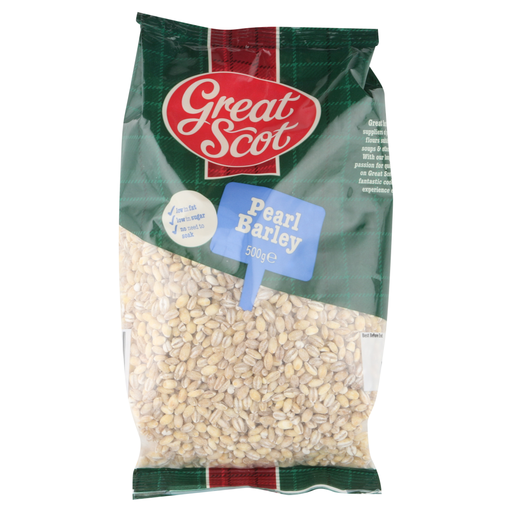
Why This Fits Their Persona: A manageable 500g pack suits shoppers trying pearl barley in Scotch broth, soups, stews or casseroles without committing to a bulk purchase.
The ingredients list identifies pearl barley as 100%, making it easier to distinguish from blends and flavoured barley products. It is still labelled as containing barley gluten and should be fully boiled before eating.
No overnight soaking is specified; suitable for soups and stews; 500g format is easy to store.
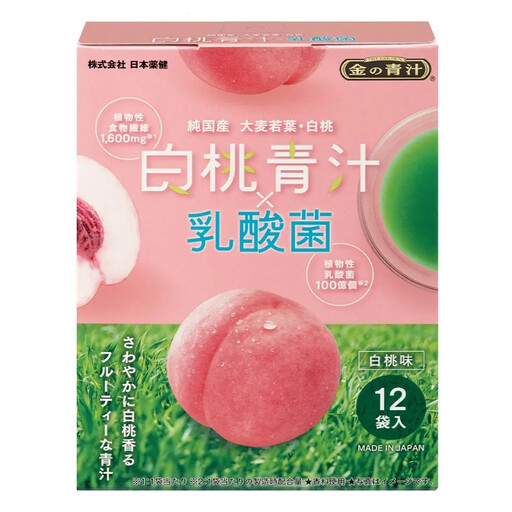
Why This Fits Their Persona: Powder sachets offer a measured format for shoppers who prefer a fruit-flavoured barley grass drink prepared with water or milk.
The format and serving instruction are clear: one sachet is mixed with approximately 70ml of water or milk. It is not presented as a replacement for plain barley flour or cooked grain.
12 individually portioned packs; white peach flavour; contains barley leaf powder and listed dietary-fibre ingredients.
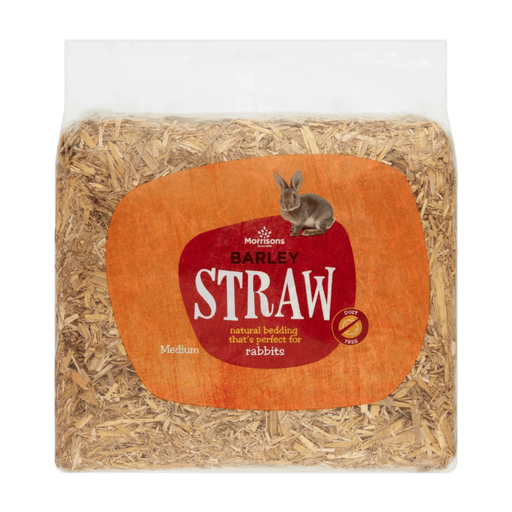
Why This Fits Their Persona: Rabbit owners and small-pet households can use this 1.5kg pack to refresh an enclosure without handling a large bale.
The intended use is clearly bedding rather than food. Keep it dry, reject any straw showing spoilage and replace it regularly.
Medium texture; 1.5kg net quantity; designed for rabbits and similar small animals; made in the UK.
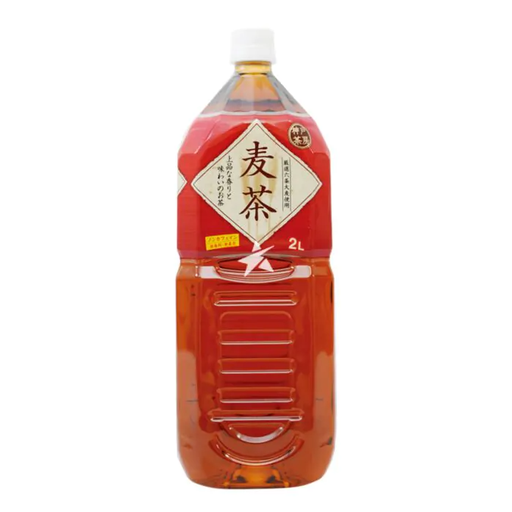
Why This Fits Their Persona: A 2-litre bottle is practical for keeping chilled at home, particularly for shoppers seeking a roasted grain drink without caffeine.
The product information states 0mg caffeine per 100ml and lists barley as an ingredient. It should not be treated as gluten-free.
Ready to drink; 2-litre format; 0kcal and 0mg caffeine per 100ml according to the listed nutrition information.
We have compiled a complete, real-time list of products that fully satisfy these strict selection criteria and UK safety regulations.
No. Barley is a gluten-containing cereal, so pearl barley is not suitable for a gluten-free diet. Check every label, including barley tea, snacks and powdered drinks, because recipes and manufacturing processes vary.
Not always. Some pearl barley products specify rinsing and direct cooking, while raw barley commonly benefits from soaking for two to four hours or overnight. Follow the instructions on the specific packet and cook the grain fully before eating.
Storage depends on the format. Keep unopened drinks in a cool, dry place away from direct sunlight. Refrigerate products when the label instructs you to do so, and consume opened drinks within the stated timeframe. For concentrated squash, follow the dilution ratio and cap instructions rather than drinking it undiluted.