
24/7 Customer Support

Free returns

Same-day & Next-day Delivery

Quality Guaranteed

Unlock Your Welcome Offers: FREE Delivery | Up to 80% OFF | Free 30-day JoyPlus trial
Download the APP
Have you ever felt that tight, uncomfortable sensation after cleansing? Or noticed persistent redness and sensitivity, especially after introducing a new retinol or exfoliating acid into your routine? You are not alone. These are classic signs of a compromised skin barrier, the protective outermost layer of your skin. When it's damaged, your skin becomes vulnerable to irritation, dehydration and inflammation.
Navigating the world of skincare to find a solution can be overwhelming. The market is flooded with products promising instant relief, but many fall short. As the Joybuy Product Recommendation Officer, my role is to help you see past the marketing clutter and make informed choices. Let's look at the common pitfalls that lead to disappointing purchases.
To avoid these traps, focus on the core components that genuinely support skin health. Before adding any product to your basket, check for these non-negotiable features.
Your skin's barrier is naturally made of a specific ratio of lipids: ceramides, cholesterol and fatty acids. A cream that aims to repair it should ideally contain these building blocks. A ceramide moisturiser for sensitive skin is a great start, but formulas that also include cholesterol and fatty acids (often from ingredients like squalane or shea butter) provide a more complete support system to help rebuild that protective wall and lock in moisture effectively.
While lipids rebuild the structure, you also need ingredients to calm the immediate signs of distress. This is where a good panthenol repair cream shines. Panthenol (Pro-vitamin B5) is a powerful humectant that draws in moisture and has well-documented soothing properties, making it excellent for reducing redness and irritation. Niacinamide (Vitamin B3) is another multi-tasker that helps to strengthen the barrier, regulate oil production, and calm inflammation, making it a valuable addition to any soothing cream for redness.
Finally, the base formula is just as important as the active ingredients. If you are prone to breakouts, a non-comedogenic face cream is essential. This means it has been formulated in a way that is not likely to clog your pores. Look for textures described as "lightweight," "gel-cream," or "fast-absorbing" if you have oily or combination skin.
Instead of a one-size-fits-all approach, we have matched some standout products to specific needs and user profiles.
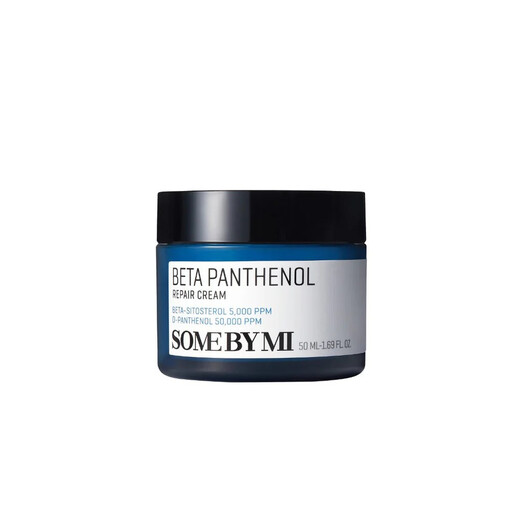
Why This Fits Their Persona: This cream is specifically designed for skin sensitised by active ingredients like retinol or acids. It provides rapid, targeted relief from the stinging, redness and tightness that UK users often experience when pushing their skincare routine.
It avoids the "Miracle Ingredient" trap with a multi-faceted formula, including a patented Beta-Panthenol complex, multiple ceramides and probiotics. It is also non-comedogenic, countering the "Thicker is Better" fallacy.
Features a high concentration of D-Panthenol (50,000ppm) for powerful soothing and a multi-repair lipid system to reconstruct the barrier. It is also vegan and free from common irritants.
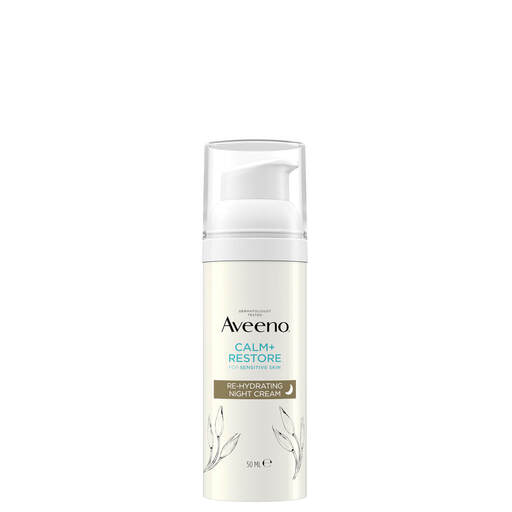
Why This Fits Their Persona: Ideal for someone with generally sensitive skin who needs a reliable, accessible and affordable daily cream to maintain their skin barrier without causing flare-ups. It is a trusted choice found in many UK households.
This cream avoids the "Hidden Irritants" trap by being fragrance-free, non-comedogenic and dermatologist-tested. Its focus on Prebiotic Oat is a proven, gentle approach rather than relying on marketing hype.
Formulated with Prebiotic Oat to soothe and help restore the moisture barrier, and Calming Feverfew for its antioxidant properties. It provides 48-hour moisturisation and is suitable for normal to dry sensitive skin.
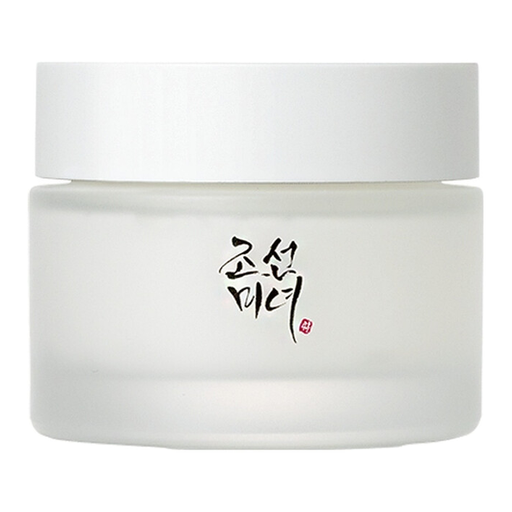
Why This Fits Their Persona: For the skincare enthusiast who appreciates sophisticated, multi-functional formulas. This cream delivers barrier support alongside the coveted dewy, "glass skin" glow that is popular in Korean beauty, acting as a moisturiser, sleeping mask and makeup base.
Its unique, firm texture provides long-lasting moisture without feeling greasy, navigating the "Rich and Thick" fallacy. The formula is a balanced blend of traditional Hanbang ingredients and modern actives like Niacinamide and Squalane.
A multi-functional "all-in-one" cream featuring 29% Rice Bran Water, 5% Ginseng Root Water, 2% Niacinamide and Squalane to nourish, energise and strengthen the skin barrier for a radiant finish.
We have compiled a complete, real-time list of products that fully satisfy these strict selection criteria and UK safety regulations.
While you may feel immediate soothing relief from tightness and discomfort within a few applications, the structural repair of your skin barrier takes time. With consistent use, twice daily, most people will notice a significant improvement in resilience, hydration and reduced redness within two to four weeks.
Yes, absolutely. A damaged barrier can actually contribute to breakouts and excess oil as the skin tries to overcompensate for dehydration. The key is to choose a non-comedogenic face cream with a lightweight, gel or lotion texture that will not clog your pores. Look for formulas with Niacinamide, which can help regulate sebum production while supporting the barrier.
Yes. A barrier repair cream is typically used as the final step in your skincare routine, both morning and night. You should apply it after your cleanser, toner and any treatment serums. Its function is to lock in the moisture and active ingredients from your previous steps while forming a protective layer on the surface of your skin.