
24/7 Customer Support

Free returns

Same-day & Next-day Delivery

Quality Guaranteed

Unlock Your Welcome Offers: FREE Delivery | Up to 80% OFF | Free 30-day JoyPlus trial
Download the APP
Buying a basketball can seem straightforward until the ball arrives too hard, too small, difficult to grip or unsuitable for the court where it will be used. Parents, beginners and regular players can easily spend money on features that do not match their actual needs.
Three common buying traps are worth avoiding:
The right choice depends on size, cover material, playing surface, grip and how frequently the ball will be used.
Basketball sizing is one of the most important specifications. A ball that is too large can make dribbling and shooting difficult for a young player, while a smaller ball may not match school or league requirements.
| Ball size | Approximate circumference | Typical use | |---|---:|---| | Size 7 basketball | 29.5 inches / 75 cm | Adult and older teen play | | Size 5 basketball | 27.5 inches / 70 cm | Youth and junior play | | Size 4 basketball | 25.5 inches / 65 cm | Younger children | | Size 3 basketball | About 22.5 inches / 57 cm | Young children and introductory practice |
These age ranges are not universal rules. Check the requirements of the school, club or league before ordering a competition basketball. For a child developing basic handling skills, a youth basketball in the correct size is generally easier to control than an adult-size ball.
A rubber basketball is commonly selected for driveways, playgrounds, parks and other rough outdoor surfaces. Textured rubber covers are practical for frequent recreational use and are usually easier to wipe clean after contact with dust or damp ground.
Several products in the range specify a dimpled surface, deep channels and a butyl bladder. These features are intended to support handling, shape retention and air retention. However, no ball should be left outdoors permanently. Direct sunlight, extreme heat, sharp objects and prolonged moisture can shorten its useful life.
A microfiber leather basketball or composite-leather cover can provide a different hand feel from moulded rubber. It may suit indoor training, controlled dribbling and players who prefer a softer-touch surface.
Check the product description carefully: some composite covers are intended for indoor use, while others are described as indoor outdoor basketball models. Using an indoor-focused ball on abrasive asphalt can cause faster surface wear. Conversely, using a rough outdoor ball on a polished sports floor may not provide the feel a player expects.
A textured surface can help maintain handling when hands or the ball are damp, but “waterproof” does not mean the ball should be stored underwater or exposed to rain for extended periods. Wipe it with a damp cloth, dry it properly and store it in a cool, dry place.
A non-slip basketball should have visible pebbling and clearly defined channels. These surface details can help with passing, dribbling and shooting, although grip will also depend on hand moisture, inflation and the court surface.
Inflation is equally important. Many listed basketballs arrive deflated for transport. The supplied descriptions recommend inflating some models to 7–9 PSI, but always follow the pressure marked on the ball rather than relying on a generic figure. Over-inflation can affect handling and may damage the bladder.
A basketball with pump and bag can be useful for parents, beginners and players travelling to a local court. Before purchasing, check whether the package includes:
The product page should be treated as the final reference for the selected size, colour and included components.
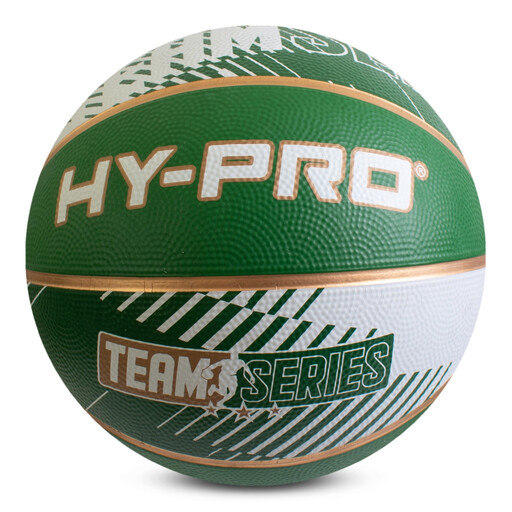
Why This Fits Their Persona: A straightforward size 7 option for adults or older teens practising at home, in the park or on an outdoor court.
The listing identifies a durable rubber compound and pimpled grip surface rather than relying only on promotional performance language.
Size 7 format; textured rubber surface for recreational dribbling, passing and shooting.
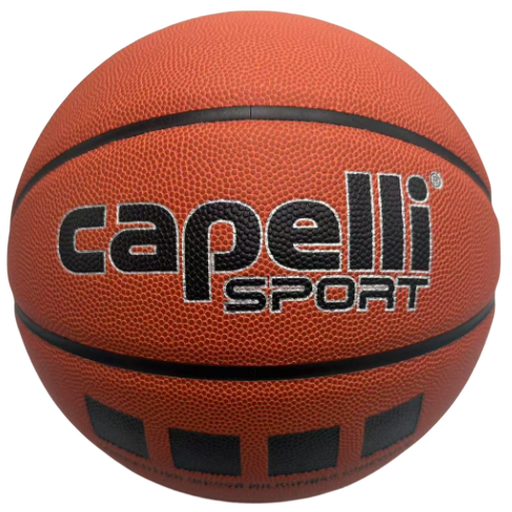
Why This Fits Their Persona: A size 7 indoor option for players who prioritise a cushioned microfiber feel and regular gym-based practice.
Its listing clearly states indoor use, helping buyers avoid applying an indoor-focused cover to abrasive outdoor surfaces.
Microfiber composite cover; nylon windings and butyl bladder listed for structural support and air retention.
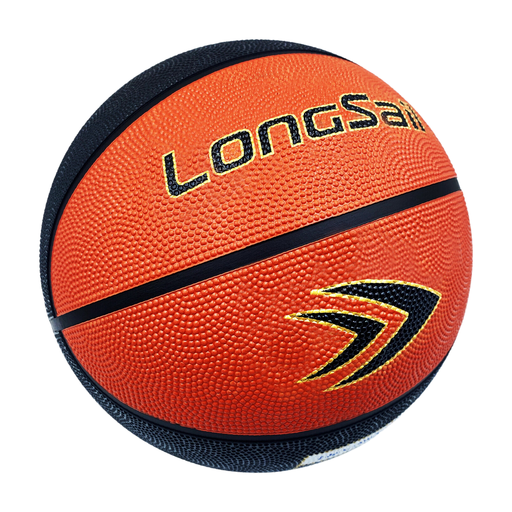
Why This Fits Their Persona: A youth-sized rubber ball for children who move between garden practice, outdoor courts and casual indoor play.
The product information specifies a textured, scuff-resistant rubber surface and identifies the ball as arriving deflated.
Size 5 youth format; listed pump, two needles and storage bag support regular transport and practice.
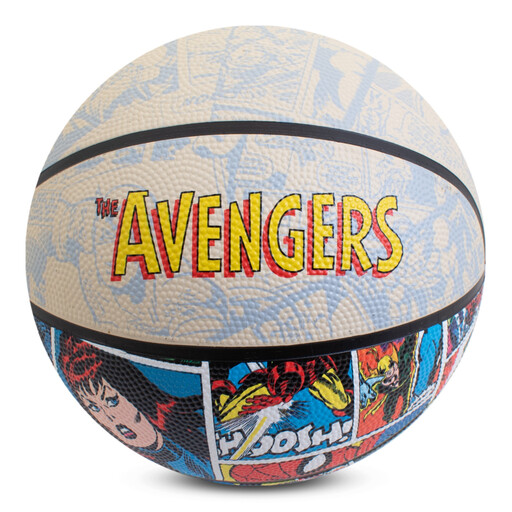
Why This Fits Their Persona: A Marvel basketball for younger players or fans who want a recognisable design alongside casual play functionality.
The listing identifies the ball as size 5 and describes textured synthetic rubber construction rather than presenting the graphics as a substitute for specifications.
Officially licensed Avengers design; size 5 format and textured surface for recreational use.
We have compiled a complete, real-time list of products that fully satisfy these strict selection criteria and UK safety regulations.
A size 5 basketball is commonly associated with youth and junior play, while size 4 and size 3 basketball options suit younger children. Always confirm the rules used by the child’s school, club or league.
Yes, an indoor outdoor basketball can be selected for mixed use, particularly when it has a durable rubber or composite cover. Check the product description first. An indoor microfiber model may be more appropriate for sports halls, while a rubber model is generally more practical for asphalt and concrete.
Lifespan depends on inflation, storage, frequency of play and surface type. Regular outdoor use on abrasive ground can wear a cover more quickly than indoor use. Choosing a durable basketball, cleaning it after play and storing it correctly can help maintain its grip and shape.