
24/7 Customer Support

Free returns

Same-day & Next-day Delivery

Quality Guaranteed

Unlock Your Welcome Offers: FREE Delivery | Up to 80% OFF | Free 30-day JoyPlus trial
Download the APP
As a staple in many UK kitchens, basmati rice seems like a straightforward purchase. Yet, navigating the supermarket aisle or browsing online can be surprisingly complex. With terms like "extra long," "aged" and "golden sella" appearing on packaging, it is easy to feel unsure if you are paying for genuine quality or just clever marketing. Many of us have been disappointed by rice that turns out clumpy, lacks aroma or simply does not deliver on its premium price tag.
As the Joybuy Product Recommendation Officer, my role is to help you see past the hype. This guide will break down the common pitfalls when buying basmati rice and clarify the key factors that truly matter, ensuring your next purchase is a confident one, whether you are cooking a quick weeknight curry or a festive biryani.
Before you add a bag to your basket, be aware of these frequent marketing tactics that can lead to a disappointing purchase:
To make an informed choice, focus on these three practical parameters instead of marketing jargon.
The type of basmati you choose has the biggest impact on your meal.
Your consumption habits should dictate the size you buy.
While we avoid making absolute claims, brands with a long-standing presence in the UK market, such as Tilda basmati rice, often have established supply chains and quality control processes. Look for information on the packaging about where the rice is sourced (e.g., the foothills of the Himalayas) and whether it adheres to the UK's Basmati Rice Code of Practice, which helps ensure authenticity.
Based on these practical considerations, here are a few options tailored to different UK households and their needs.
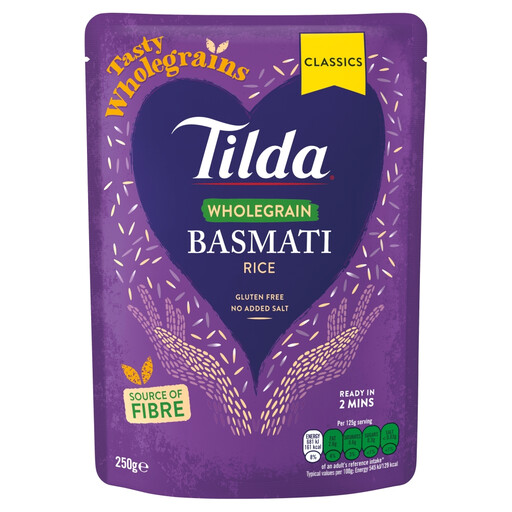
Why This Fits Their Persona: For those short on time, this microwaveable pouch is a game-changer. It provides a quick, portion-controlled serving of nutritious wholegrain rice for a work-from-home lunch or a fast evening meal without any washing, measuring or waiting.
Its value is explicitly in convenience, not ambiguous claims of "premium" quality. You are paying for speed and simplicity, making it an honest and practical choice for a busy lifestyle.
Ready in just 2 minutes. It is a wholegrain basmati rice, offering more fibre than its white counterpart.
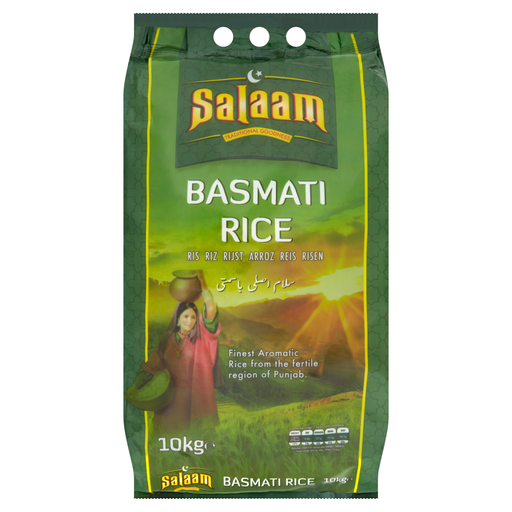
Why This Fits Their Persona: For households where rice is a frequent feature on the dinner table, buying in bulk is the most economical choice. This 10kg basmati rice sack provides a dependable supply for countless family meals, from curries to pilafs.
This product sidesteps the premium pricing of smaller, fancily-marketed packs. Its focus is on providing a large quantity of reliable, aromatic basmati rice at a great value-for-money price point.
Excellent cost-per-serving for budget-conscious families. The rice is sourced from Punjab and is known for its consistent quality and fluffy texture.

Why This Fits Their Persona: This home cook understands that the right ingredient is crucial for the perfect dish. They are looking for the specific properties of Sella rice to create authentic, restaurant-quality biryanis and pilafs where every grain must be separate and intact.
It avoids the "Sella confusion" trap by being clearly marketed for its intended purpose. This is not an everyday steaming rice; it is a specialist grain for specific culinary applications, and its properties are its main selling point.
The parboiling process results in extra-long, non-sticky grains that hold their shape perfectly in layered dishes. It is the ideal rice for biryani.
We have compiled a complete, real-time list of products that fully satisfy these strict selection criteria and UK safety regulations.
The primary difference lies in the processing. Brown basmati rice is a whole grain, with the outer bran layer left intact. This gives it a higher fibre content, a nuttier taste and a chewier texture. It also takes longer to cook, typically 20-25 minutes. White basmati has the bran removed, resulting in a softer, fluffier texture and a shorter cooking time of around 10-12 minutes. The choice depends on whether you prioritise nutritional content and a nutty flavour (brown) or a delicate texture and faster cooking (white).
To protect your bulk basmati rice from moisture, pests and odours, proper storage is key. Once opened, transfer the rice from the original sack into one or more large, airtight containers. Food-grade plastic or glass containers with secure lids are ideal. Store these containers in a cool, dark and dry place, such as a pantry or cupboard, away from direct sunlight and any strong-smelling items. Stored correctly, basmati rice can maintain its quality for a year or more.
For many chefs and home cooks, the answer is yes. Sella basmati is parboiled, a process that gelatinises the starch in the grain. This makes each grain firmer and more resilient. When making a biryani, which involves layering rice with meat or vegetables and then steaming it (the 'dum' process), Sella grains are far less likely to break or turn mushy. They absorb the flavours of the spices and masala while remaining beautifully separate and fluffy, which is the hallmark of a great biryani.