
24/7 Customer Support

Free returns

Same-day & Next-day Delivery

Quality Guaranteed

Unlock Your Welcome Offers: FREE Delivery | Up to 80% OFF | Free 30-day JoyPlus trial
Download the APP
Buying basmati rice can look straightforward until you compare grain length, pack size, processing methods and preparation times. A 1kg bag may suit occasional cooking, while a 10kg sack could be more practical for a large household. Meanwhile, terms such as “extra long grain”, “premium basmati rice” and “fluffy” do not always explain how the rice will perform in your kitchen.
This guide helps UK households, meal preppers, vegetarians, vegans, restaurants and world-food enthusiasts select rice according to real usage rather than packaging claims.
A basmati rice 10kg or bulk basmati rice pack can offer convenience for families and catering, but only if you have a cool, dry storage area. Once opened, rice should be sealed properly and protected from moisture, sunlight, strong odours and pests. A smaller basmati rice 1kg or 2kg pack may be more sensible for a flat, occasional cook or anyone with limited cupboard space.
Long grain basmati rice is generally associated with slender grains and a fragrant result, but cooking performance can vary according to whether it is raw, aged, brown or parboiled. Golden Sella basmati rice, for example, is parboiled and usually has a firmer structure that helps grains remain separate. Brown or wholegrain basmati rice retains more of the outer grain layers, so it typically needs a longer cooking time than white rice.
Microwave basmati rice and ready-to-eat rice pots are useful for work lunches and quick dinners, but they are different from a dry bag of rice. Check the ingredient list, portion size, storage instructions and whether the pack is intended for immediate consumption. A flavoured pouch may also contain oil, herbs, coconut cream or seasoning, which can affect how it fits into your meal plan.
For rice for biryani or rice for pilau, look for long, slender grains that are described as aromatic and suitable for separate cooking. Extra long grain rice can create an attractive presentation, but grain length alone does not guarantee a non-sticky result. Rinsing and correct cooking remain important.
For everyday curries, stir-fries and side dishes, standard white basmati is usually a flexible choice. Brown basmati rice and wholegrain basmati rice have a nuttier flavour and firmer bite, making them suitable for cooks who prefer a less refined grain texture.
Always follow the instructions on the specific pack. Water ratios and cooking times can differ between brands and formats.
A 1kg pack is useful for testing a variety or cooking occasionally. A 5kg pack can suit regular family meals and meal preparation, while a 10kg or 20kg pack is more appropriate for large households, restaurants, caterers or frequent batch cooking.
Compare the price per kilogram rather than the ticket price alone. Also consider usable storage space and how quickly the rice will be consumed after opening.

Why This Fits Their Persona: A manageable pack for students, smaller households and cooks comparing basmati varieties without committing to a large sack. The product is made with pure basmati rice.
The 1kg format reduces the risk of overbuying and is easier to store correctly than an unnecessarily large bag.
Pure basmati rice; 1kg net quantity; suitable for regular home cooking.
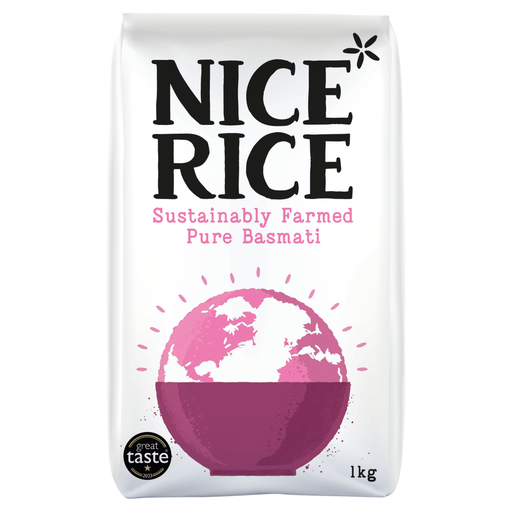
Why This Fits Their Persona: Suitable for home cooks who prioritise a fragrant, light rice texture and want a smaller bag for controlled purchasing.
The ingredient is listed as basmati rice, helping buyers distinguish a plain staple from a flavoured or mixed rice product.
1kg format; no artificial colours, flavours or preservatives listed; long-grain format.

Why This Fits Their Persona: A practical option for large families, caterers, restaurants and meal preppers who regularly cook rice for biryani, pilau, curries or batch meals.
The parboiled format is clearly identified, so buyers are not relying only on vague “fluffy” packaging language.
10kg quantity; extra-long grain; parboiled; intended for separate, fluffy cooking.

Why This Fits Their Persona: Handy for office lunches, late dinners and quick portions when cooking a pan of dry rice is impractical.
The portion format makes the quantity clear and avoids buying a large dry bag for occasional use.
Two 125g pots; cooked basmati rice; designed for quick heating; no allergens listed.
We have compiled a complete, real-time list of products that fully satisfy these strict selection criteria and UK safety regulations.
Rinse dry rice under cold running water until the water is clearer, unless the packaging gives different instructions. Use a large pan so the grains have room to move, and allow the cooked rice to stand briefly before fluffing with a fork.
For food safety, serve rice piping hot, cool leftovers promptly and follow the pack’s reheating guidance. Several product labels advise against reheating, so check the instructions rather than applying one method to every variety. Keep unopened rice in a cool, dry place and transfer opened bags to an airtight container where practical.
Yes, white long grain basmati and Golden Sella basmati rice are commonly selected for biryani and pilau because their slender grains can remain separate when rinsed and cooked correctly. Parboiled versions may be useful when you want a firmer texture for layered or batch-cooked dishes.
A 1kg pack suits occasional use or smaller households. A 5kg pack can work for families that cook rice several times a week, while basmati rice 10kg or 20kg packs are more appropriate for heavy users, catering or meal preparation. Compare unit price, storage capacity and likely consumption before choosing bulk basmati rice.
Brown basmati rice and wholegrain basmati rice generally need more cooking time than white rice because the outer layers remain intact. Follow the packet instructions and allow extra time for the grains to soften. Its firmer texture can complement vegetables, pulses and curry dishes.