
24/7 Customer Support

Free returns

Same-day & Next-day Delivery

Quality Guaranteed

Unlock Your Welcome Offers: FREE Delivery | Up to 80% OFF | Free 30-day JoyPlus trial
Download the APP
As a staple in many UK kitchens, basmati rice seems like a straightforward purchase. Yet, navigating the supermarket aisle or online listings can be surprisingly complex. From claims of "extra-long grains" to a confusing array of types, it is easy to choose a product that doesn't quite meet your needs, whether you are preparing a simple weeknight curry or an elaborate biryani. As your Joybuy Product Recommendation Officer, my role is to help you understand the key differences so you can select the right rice for your cooking style and budget.
Before we look at what to choose, let's identify the common traps that lead to disappointing meals and wasted money.
To ensure you get the right product every time, focus on these three core parameters.
The type of basmati you choose will have the biggest impact on your final dish.
Consider how often you eat rice to determine the most economical pack size.
Based on these practical considerations, here are some recommendations matched to different UK household needs.
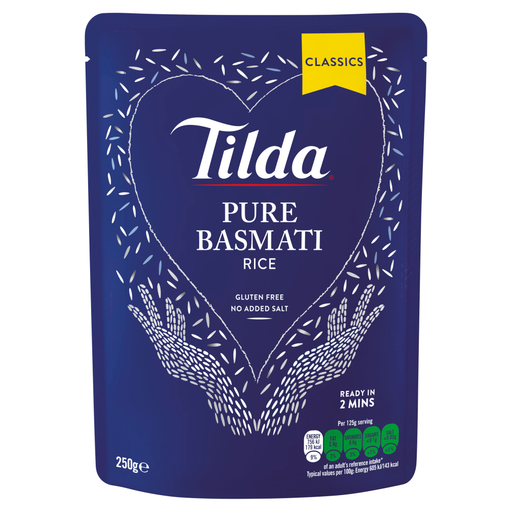
Why This Fits Their Persona: For busy individuals needing a quick, reliable meal component after a long day. This microwave rice is ready in two minutes, providing a perfect portion of fluffy basmati without any cooking or washing up.
This product sidesteps the convenience cost trap by being an intentional choice for speed. The user is paying for a finished, ready-to-eat product, not just a small pack of dry rice.
Delivers consistent, perfectly steamed rice every time. It is portion-controlled and requires zero preparation.
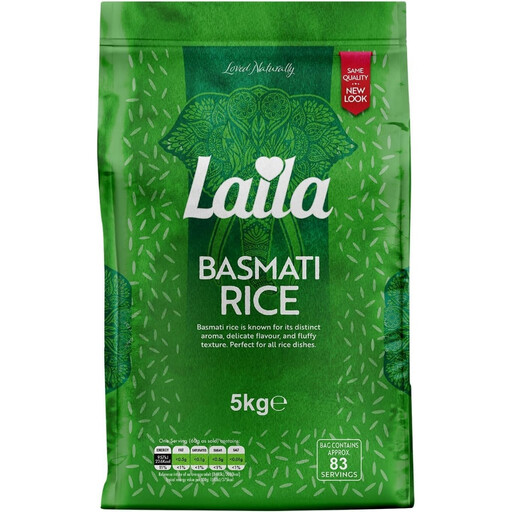
Why This Fits Their Persona: This 5kg bag is an economical and practical choice for families who use rice regularly. It provides a reliable, all-purpose white basmati that works well for a wide range of meals, from curries to simple sides.
By buying in a larger format, you get a much lower cost-per-serving compared to smaller bags. It is a standard basmati, avoiding the risk of buying a speciality rice like Sella that may not suit all family tastes.
Offers a good balance of quality and value. The grains are known to cook up fluffy and separate, delivering consistent results for everyday cooking.

Why This Fits Their Persona: For the home cook dedicated to creating authentic, complex rice dishes. The parboiled nature of Golden Sella rice ensures each grain remains firm, separate and intact, which is essential for the layering and slow-cooking process of a perfect biryani.
This user is intentionally seeking the specific properties of Sella rice, avoiding the common pitfall of buying it by mistake. They understand its purpose and value its unique texture for specific culinary applications.
Its non-sticky, resilient grains are ideal for absorbing the flavours of spices and sauces without becoming mushy. The extra-long grains provide an impressive visual and textural result.
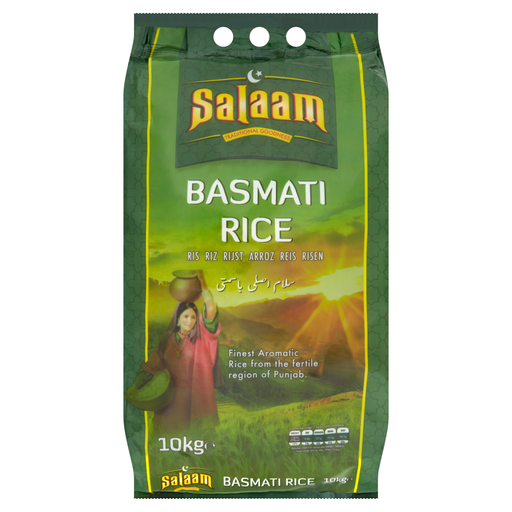
Why This Fits Their Persona: For large households, meal preppers or small catering businesses, a 10kg basmati rice bag is the ultimate choice for value. This provides a substantial supply of quality rice, ensuring you are always well-stocked.
This is the most effective way to avoid the high cost-per-gram of smaller convenience packs. It represents a smart, long-term investment in a pantry staple, maximising your budget.
Unbeatable cost-per-serving. This brand is known for its consistent quality, with long, slender grains that cook to a fluffy, non-sticky texture suitable for a multitude of dishes.
We have compiled a complete, real-time list of products that fully satisfy these strict selection criteria and UK safety regulations.
1. How should I store a large 10kg bag of basmati rice to keep it fresh? Once opened, it is crucial to protect the rice from air, moisture and pests. The best method is to transfer the rice from its original sack into one or more large, airtight food-grade containers. Store these containers in a cool, dark and dry place like a pantry or cupboard, away from any heat sources or direct sunlight. This will preserve its aroma and prevent it from becoming stale.
2. Is microwave rice lower quality than dry rice? Not necessarily. Microwave rice is simply pre-cooked and steamed in the pouch. Reputable brands like Tilda basmati rice use high-quality grains for their microwave products. While you pay a premium for the convenience, the quality of the rice itself is often comparable to their dry counterparts. The main difference is the texture, which can sometimes be slightly softer due to the steaming process.
3. What is the real difference between white, wholegrain and Golden Sella basmati? The difference lies in the processing, which affects flavour, texture and cooking properties.