Batch cooks planning several portions
If you make pasta repeatedly, pack weight and the serving guidance on the exact product help you work out how much to buy for your planned meals.


For batch cooking, choose a pack that covers the portions you plan to make, then match the pasta shape to the dish: short shapes are worth considering for mixed sauces and bakes, while lasagne needs sheets. Check the exact pack for cooking directions and ingredients; a prepared sauce can reduce preparation work, but it brings its own serving guidance and allergens into the decision.
If you make pasta repeatedly, pack weight and the serving guidance on the exact product help you work out how much to buy for your planned meals.
If your batches include mixed sauces or oven dishes, the shape needs to fit the recipe. Asda describes its fusilli as suitable for a variety of sauces and pasta bakes, and its penne as suited to lighter sauces.
If wheat, gluten, egg or another ingredient matters to you, check the current label before choosing a pack. Standard wheat pasta and specialist alternatives should be assessed product by product.
Start with the need that decides your pasta choice, whether that is making enough portions, fitting a particular recipe, checking ingredients or reducing sauce preparation.
| Concern | What to check | Who this matters to |
|---|---|---|
| Pack yield | Check pack weight and the product's dry-pasta serving guidance against the number of portions you plan. | If I cook several meals at once, I need enough dry pasta for the portions on my plan. About 37% of consumers put batch yield first. |
| Recipe fit | Choose a shape suited to your sauce or bake, then follow its own cooking instructions. | For a mixed-sauce dish or pasta bake, I want a shape that works in the finished recipe; roughly 27% of consumers make recipe fit their primary concern. |
| Dietary suitability | Read the current ingredients, emphasised allergens and any suitability statement on the exact pack. | When an ingredient must be avoided, I have to establish whether this particular pasta is suitable before considering its shape. That is the first concern for about 18% of consumers. |
| Prepared sauce | Check the sauce's stated servings, ingredients and suggested pasta quantity alongside your meal plan. | If making sauce from scratch would add work to every batch, a prepared sauce is the deciding choice for around 18% of consumers. |
A bag's weight alone does not tell you how many meals it will cover at your intended serving size. Asda's preparation guidance, for example, uses 75g of dry pasta per person; another product's directions may differ.
Work out the portions you need, then check the serving guidance on the pack you intend to use.
Spaghetti, short shapes and lasagne sheets serve different recipe formats. Asda describes its fusilli as suitable for pasta bakes and a range of sauces.
Choose the dish first, then check whether its method calls for twists, tubes, long pasta or sheets.
Standard dried pasta examples from Sainsbury's and Asda contain wheat. Specialist ranges also vary by individual product, and an M&S fusilli listing carries an egg-allergy suitability warning.
Read the current ingredients and suitability statements on each pack, particularly when switching products.
A jarred sauce has its own serving guidance, ingredients and nutrition information. Dolmio labels its 450g Original Bolognese sauce as serving four and pairs it with 100g of dry pasta per person in its recipe.
Plan the pasta, sauce and other ingredients together; do not treat one sauce recipe's pasta quantity as a rule for every meal.
Tesco's own-label dried-pasta range includes 1kg spaghetti and other shapes that can be considered when planning repeated meals.
Sainsbury's lists standard dried pasta in different shapes and pack sizes, as well as Free From options.
Asda lists 1kg dried fusilli and penne for shoppers preparing short-shape pasta dishes.
M&S lists standard and specialist pasta options, including gluten-free products.
Barilla offers standard dried pasta and its Collezione range, which the brand describes as bronze-cut.
Dolmio is a prepared-sauce option to consider alongside dried pasta, not a substitute for the pasta itself.
These dried-pasta options cover spaghetti meals, short-shape dishes and layered lasagne. Choose the recipe and portion quantity you need before comparing the packs.
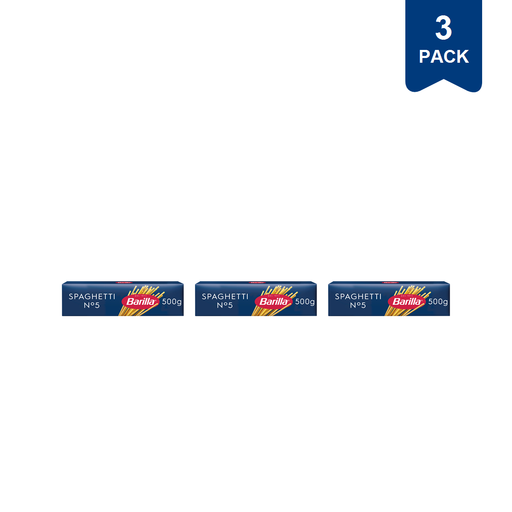 Image unavailable
Consider this bundle when planning several spaghetti meals. It contains three 500g packs; check the current packaging for cooking directions and allergens.
 Image unavailable
A short shape to consider for a mixed-sauce batch meal. Check how the 500g pack fits your planned portions and follow its cooking and ingredient information.
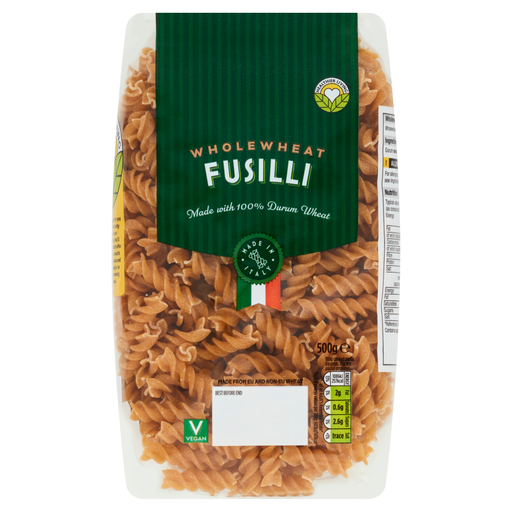 Image unavailable
Consider this 500g wholewheat fusilli for a short-shape pasta recipe. Wholewheat contains wheat; read the current pack if ingredients or allergens affect your choice.
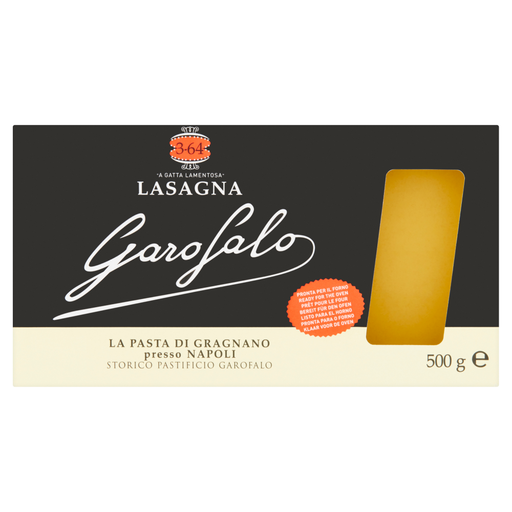 Image unavailable
Sheets fit a layered lasagne batch rather than a dish calling for loose pasta shapes. This is a 500g pack; check its preparation directions and allergens before assembling the dish.
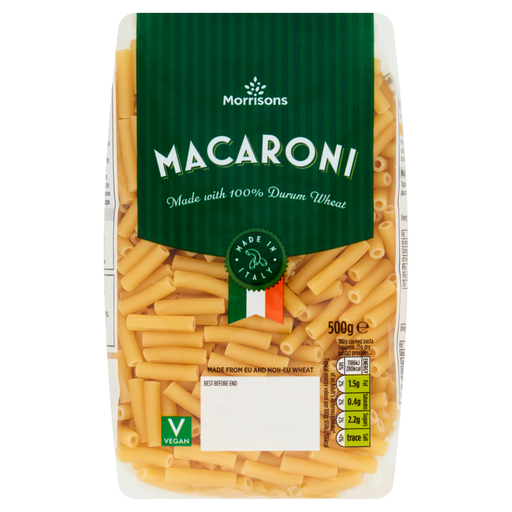 Image unavailable
Consider macaroni for a batch recipe built around small pasta tubes, including a baked dish. The pack contains 500g; use its current instructions to plan cooking and check its ingredients.
Start with the serving guidance on the exact pack and multiply it by the portions you plan. Asda's dried-pasta guidance uses 75g per person, while Dolmio's Original Bolognese recipe suggests 100g per person; these are directions for different products and meals, not a single rule for every batch.
Fusilli is one option to check for mixed sauces and pasta bakes: Asda describes its fusilli for both uses. Its penne guidance discusses lighter sauces, while a layered lasagne calls for sheets. Follow the recipe and cooking directions for the product you choose.
Yes: check the sauce's stated servings and recipe directions alongside the pasta pack. Dolmio labels its 450g Original Bolognese sauce as serving four and recommends 100g of dry pasta per person in its method; another sauce or meal may call for a different quantity.
Follow the storage instructions for the meal's ingredients and reheat food thoroughly rather than merely warming it. The Food Standards Agency's reheating guidance says food should be reheated only once.
Read the ingredients and allergen information on the current pack of the exact product. Standard dried-pasta examples from Asda and Sainsbury's contain wheat; UK government guidance says required allergens must be emphasised in the ingredients list of prepacked food. Check any additional suitability statement rather than relying on the pasta shape or brand.