
24/7 Customer Support

Free returns

Same-day & Next-day Delivery

Quality Guaranteed

Unlock Your Welcome Offers: FREE Delivery | Up to 80% OFF | Free 30-day JoyPlus trial
Download the APP
A warm bath can be a simple way to unwind after work, a run or a long day on your feet. However, choosing the right bath soak is not just about picking the most attractive fragrance. UK shoppers can easily pay for features they will not use, overlook ingredients that do not suit their skin or buy a large bottle that works out less economical than expected.
This guide explains the practical details to check before buying, followed by our top recommendations for different bathing routines.
Rosemary, eucalyptus, thyme, bergamot and ginseng can create an enjoyable bathing atmosphere, but fragrance alone does not determine whether a product suits your needs. A heavily perfumed formula may be less appropriate if your skin is easily irritated.
If you are looking for a soothing bath soak for sensitive skin, check the ingredient list for parfum and fragrance allergens such as limonene, linalool or benzyl salicylate. A product described as pH-balanced or suitable for all skin types may still require a patch test if you are prone to reactions.
A bubble bath soak can provide a soft, comfortable bathing experience, but rich bubbles do not necessarily mean the formula is moisturising. Look for ingredients such as glycerin, sodium PCA, inulin or skin-conditioning agents if dry skin is a priority.
Salt-based products are different. A muscle soak bath made with sea salt or magnesium flakes may offer a mineral-focused routine, but it may not provide the same cleansing or foaming experience as a bath gel.
A 1-litre bottle may appear better value than a 400g pouch, but the number of baths depends on how much you use each time. Some products call for a small amount under running water, while salt products may recommend several handfuls or up to 200g per bath.
Check the usage instructions and calculate the approximate cost per bath. Over-pouring can also leave fragrance stronger than expected, increase residue and make the bath surface more slippery.
For a moisturising bath soak, check whether the formula includes glycerin or other conditioning ingredients. For a mineral-focused routine, look for clearly listed ingredients such as sodium chloride, magnesium chloride or sea minerals.
Those seeking bath salts for tired muscles should distinguish between pure or mainly mineral formulas and blended products containing surfactants, fragrance and colourants. Neither format is automatically suitable for everyone; the right choice depends on whether you prioritise minerals, bubbles, scent or skin feel.
If you have sensitive or dry skin, avoid assuming that “natural” means irritation-free. Essential oils and fragrance components can still cause a reaction. Follow the label, avoid broken or irritated skin and stop using the product if a rash or irritation develops.
Use warm rather than excessively hot water, particularly if you feel dizzy or uncomfortable in heat. Follow the product’s recommended soaking time and dosage. Bath salts and oils can make the tub slippery, so take care when entering and exiting.
Rinse the bath after use where the label recommends it. This helps reduce residue build-up and keeps the surface easier to clean. All products below are for external use only and should be kept away from children and the eyes.
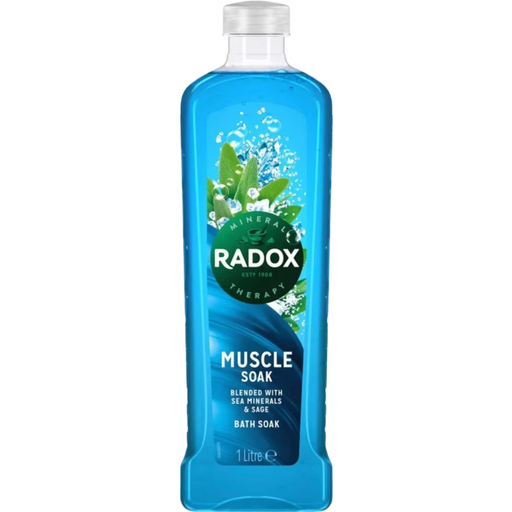
Why This Fits Their Persona: The 1-litre format is practical for regular bath users who want a liquid muscle soak bath with generous bubbles and a thyme fragrance.
The labelled dosage and liquid format make it easier to control how much goes into each bath than loose handfuls of salt.
1-litre net content; includes sea minerals and sage; produces bubbles under running water.
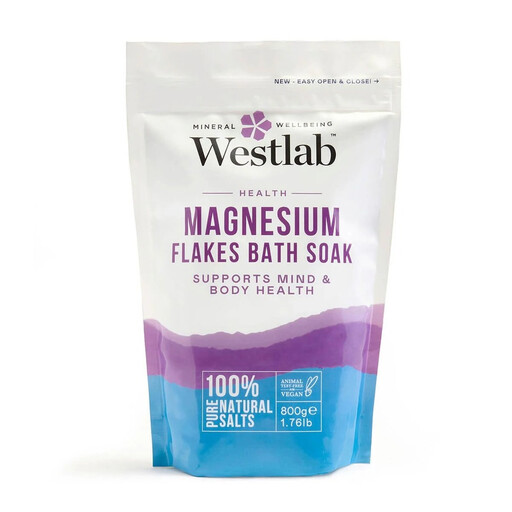
Why This Fits Their Persona: It suits shoppers who prefer a minimalist mineral formula for a calm evening routine, without added bubble-focused ingredients.
The ingredient list identifies magnesium chloride hexahydrate, so shoppers are not relying solely on vague “mineral therapy” wording.
800g format; single-ingredient magnesium chloride formula; vegan and cruelty-free product information is provided.
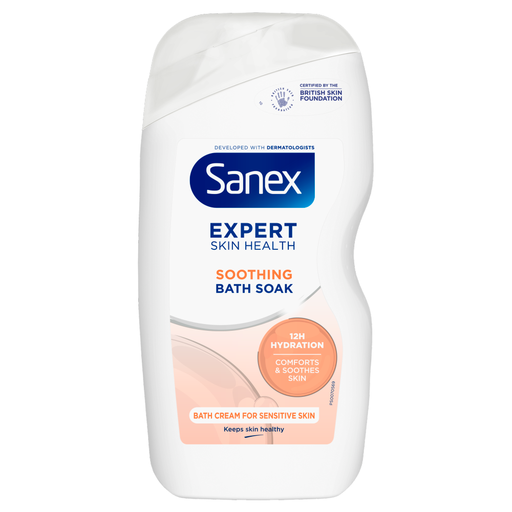
Why This Fits Their Persona: A suitable direction for bathers prioritising gentle cleansing, foam and a formula designed for sensitive skin routines.
Its product information highlights a pH-balanced, sulphate-free formula rather than relying only on fragrance or foam as a selling point.
Contains glycerin and inulin; no sulphate-based surfactants are stated in the product description; creates foam.
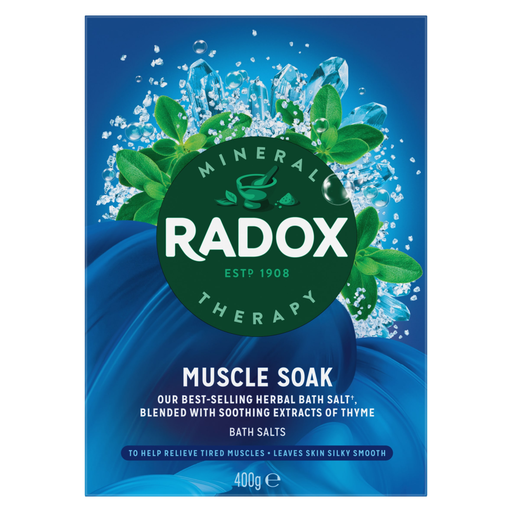
Why This Fits Their Persona: It is suited to post-workout bathers and people who specifically want a salt-based soak with a thyme-scented herbal profile.
The instructions specify two to three handfuls, with a higher 200g option, helping frequent users plan consumption rather than guess.
Contains sea salt with calcium, sodium and magnesium; resealable pouch; intended for at least a 20-minute soak.
We have compiled a complete, real-time list of products that fully satisfy these strict selection criteria and UK safety regulations.
Many products suggest around 10 to 20 minutes, but the label should take priority. Leave the bath if you feel uncomfortable, light-headed or overheated. For a salt or magnesium flakes bath soak, dissolve the recommended amount fully before getting in.
Usage depends on the formula and your skin. Some liquid products are labelled suitable for daily use, while a mineral product may recommend a specific amount and frequency. If you have a medical condition, are pregnant or plan regular use of a concentrated salt product, seek advice from a pharmacist.
Some are formulated with pH-balanced or skin-focused ingredients, but suitability varies. Read the complete ingredient list, be cautious with fragrance and essential oils, and avoid use on broken or irritated skin. Rinse thoroughly and discontinue use if irritation or a rash appears.