
24/7 Customer Support

Free returns

Same-day & Next-day Delivery

Quality Guaranteed

Unlock Your Welcome Offers: FREE Delivery | Up to 80% OFF | Free 30-day JoyPlus trial
Download the APP
For many parents, bath time is a cherished daily ritual. It can also be a challenge, especially with a little one who is less than keen on getting clean. The right bath toys can transform the tub from a chore into a playground, making it a highlight of the day for both you and your child. But with so many options available, how do you choose toys that are not only fun but also safe and beneficial for your child's development?
As the Joybuy Product Recommendation Officer, my role is to help you navigate the choices. This guide offers practical advice and highlights a few standout options to help you find the perfect additions for engaging sensory water play.
Before diving into specific products, here are a few key points to consider when making your selection. These tips will help you choose toys that are appropriate, safe and will be enjoyed for many baths to come.
A child’s safety is the number one priority. Look for non-toxic bath toys made from materials that are free from harmful chemicals. In the UK, toys must meet strict safety standards, but it is always wise to check product details. Opt for items explicitly labelled as BPA-free, especially for younger babies who are likely to put toys in their mouths. Additionally, consider how easy a toy is to clean. Toys with sealed designs or those that can be easily opened and air-dried are less likely to trap water, which helps prevent the growth of mould and mildew.
A toy that fascinates a toddler might be unsuitable for a newborn.
Bath time is a fantastic opportunity for learning through play. Educational bath toys can help introduce concepts like colours, numbers and cause and effect in a relaxed environment. Toys that float, sink, sprinkle or change colour offer rich sensory water play, capturing a child's curiosity and helping them understand the world around them.
Here are four recommendations that cater to different ages and play styles, selected to help make your child's bath time both fun and developmental.
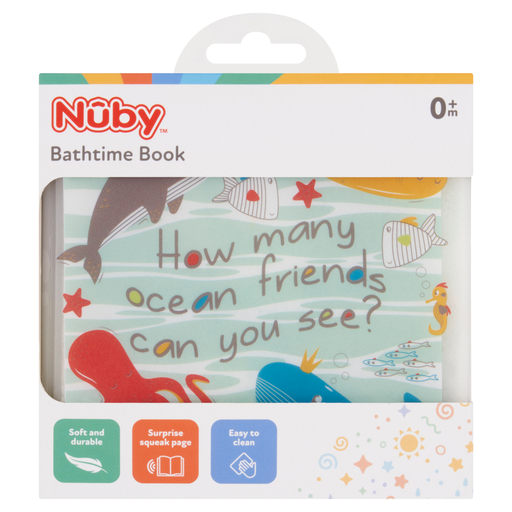
Why It Stands Out: This waterproof book is a wonderful first bath toy. Its soft pages are easy for tiny hands to hold, and the bright, engaging characters help stimulate visual perception. The surprise squeaker page adds an element of auditory discovery, making it a simple yet effective sensory toy.
Pros:
Who is it for: Ideal for parents looking to introduce their newborn (0+ months) to the fun of bath time with a simple, safe and engaging sensory toy.
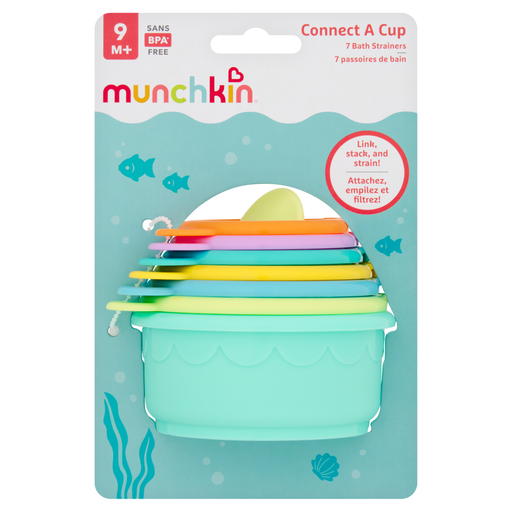
Why It Stands Out: These versatile cups offer multiple ways to play. They can be linked together, stacked into a tower or used for scooping and pouring. Each cup is numbered and has a unique base pattern that creates different sprinkle effects, introducing early concepts of numbers and cause and effect.
Pros:
Who is it for: A great choice for babies from 9 months onwards who are developing their motor skills and are ready for more interactive, hands-on play.
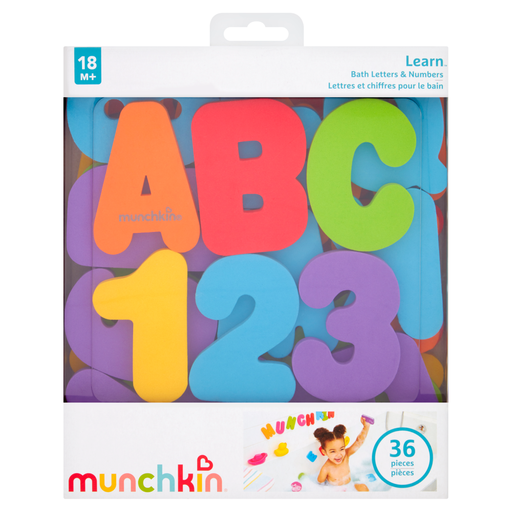
Why It Stands Out: A classic for a reason, this set of foam bath letters and numbers turns the tub into an interactive learning space. The 36 colourful pieces float in the water and stick to the bath walls when wet, allowing toddlers to practise spelling their name, counting and identifying colours.
Pros:
Who is it for: Perfect for toddlers aged 18 months and up, helping to reinforce early literacy and numeracy skills in a fun, playful setting.
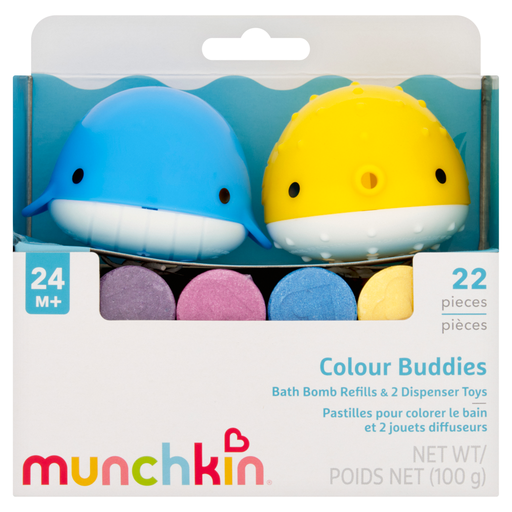
Why It Stands Out: This set brings a splash of creativity to the tub with bath bombs for kids. It includes 20 colourful, fizzing bath bombs and two floating dispenser toys. Children can mix colours to create new ones, turning bath time into a fun science experiment. The formula is designed to be gentle on the skin.
Pros:
Who is it for: Toddlers aged 24 months and older who love colourful, creative and sensory activities will be captivated by this fizzing, colour-changing set.
While these selections are excellent starting points, every child's preferences are unique. If you are searching for a wider variety of toys to spark imagination and support learning, you can find more choices in our collection.
Explore our full range of educational activity toys to find the perfect fit for your little one.
Regular cleaning is key. After each bath, squeeze out any excess water from squirty toys. Wash toys weekly with a solution of diluted vinegar and water or on the top rack of the dishwasher if they are dishwasher-safe. Most importantly, allow them to air dry completely away from the damp bathroom environment. Choosing toys that are easy to open or have a solid construction can also minimise this issue.
Simple baby bath toys can be introduced from birth. A floating toy or a soft, waterproof cloth book can provide gentle stimulation for a newborn. As your baby grows and can sit up and grasp objects (usually around 6 months), you can introduce more interactive toys like stacking cups and floating animals. Always ensure the toys are age-appropriate and supervise your child at all times.
When choosing bath bombs for kids, it is important to select products specifically formulated for them. Look for those with non-toxic, skin-friendly ingredients that are free from harsh chemicals and heavy perfumes. The Munchkin Colour Buddies, for example, are designed with a non-staining formula and contain moisturising ingredients like shea butter. Always check the product's recommended age and discontinue use if any skin irritation occurs.