
24/7 Customer Support

Free returns

Same-day & Next-day Delivery

Quality Guaranteed

Unlock Your Welcome Offers: FREE Delivery | Up to 80% OFF | Free 30-day JoyPlus trial
Download the APP
A slow shower, bubbling bathroom sink or unpleasant smell from the plughole can quickly become a daily nuisance. The right bathroom drain unblocker may dissolve hair, soap residue and sludge, but choosing solely by bottle size or dramatic wording can lead to wasted money and avoidable damage.
Before buying a sink and drain unblocker, check what type of blockage it is designed for, how long it needs to work and whether its ingredients are suitable for your plumbing and household waste system.
Bathroom blockages are commonly made up of hair, soap scum, toothpaste, skin grease and organic residue. Kitchen pipes are more likely to contain grease, food particles and oils. A shower drain unblocker designed mainly for hair may not be the most suitable choice for a kitchen drain, while a general-purpose blocked drain cleaner may contain ingredients intended for tougher build-up.
Read the product description and label rather than relying on phrases such as “all-in-one”. Look for clear information about suitable locations, including basins, baths, shower trays, kitchen sinks or general pipes.
Some products suggest a five-minute treatment, while others require an hour or overnight contact time. A fast action time can be convenient, but it does not mean that every blockage will clear within that period. A severe or physical obstruction may require a second treatment, a drain snake or professional plumbing assistance.
A drain unblocker gel can be useful where standing water is present because its thicker consistency may remain in contact with the obstruction. However, always follow the stated dosage and waiting time.
A product described as safe for pipes is not automatically suitable for every fitting, finish or household waste arrangement. Some formulas contain sodium hydroxide, sodium hypochlorite or other alkaline and chlorine-based ingredients. These can cause severe skin burns, eye damage or harmful fumes if handled incorrectly.
Never mix a pipe unblocker with another drain product, acid, bleach or household cleaner. Wear suitable gloves and eye protection, ventilate the room, keep children and pets away and follow the packaging instructions. Check whether a formula is marked as suitable for septic systems before purchasing a septic-safe drain unblocker.
For a bathroom, prioritise a product that specifically mentions hair, soap, toiletries or organic build-up. A hair drain unblocker or enzyme-based plughole unblocker may be suitable for recurring shower and basin problems.
For mixed household use, look for coverage across bathroom and kitchen drains. Products that mention grease, food residue, hair and soap scum offer broader application, but you should still check compatibility with your particular pipes.
Common options include:
A larger bottle is not automatically better value if a single application requires the entire contents. Compare the stated treatment quantity, recommended frequency and storage requirements. Some products also provide maintenance guidance, such as weekly or monthly use, but regular treatment should never replace removing visible hair from a plughole and cleaning the trap where appropriate.
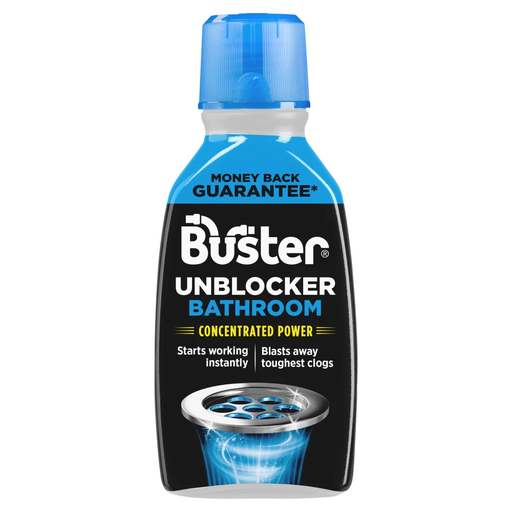
Why This Fits Their Persona: A compact bathroom-focused option for tenants, smaller households and occasional sink or shower blockages. The instructions specify a full-bottle treatment for blockages and 100ml for weekly maintenance.
Its stated use covers hair, soap and sludge, helping buyers match the product to common bathroom residue rather than choosing an unsuitable kitchen-only formula.
300ml bottle; directions include hot-water flushing and a maintenance dosage. The product information states compatibility with septic systems and household pipes.
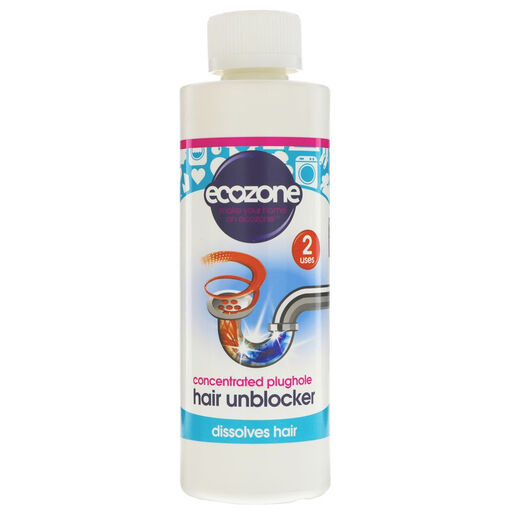
Why This Fits Their Persona: Suitable for households prioritising a non-corrosive, enzyme-based approach for bathroom sinks, baths and showers, particularly where septic-system compatibility is important.
The description identifies hair and organic build-up as its intended targets and states that it is non-toxic and non-corrosive, rather than relying only on vague environmental wording.
Enzyme-based formula; intended for bathroom plugholes; stated suitability for septic tanks and aquatic life. It requires overnight treatment before hot-water rinsing.
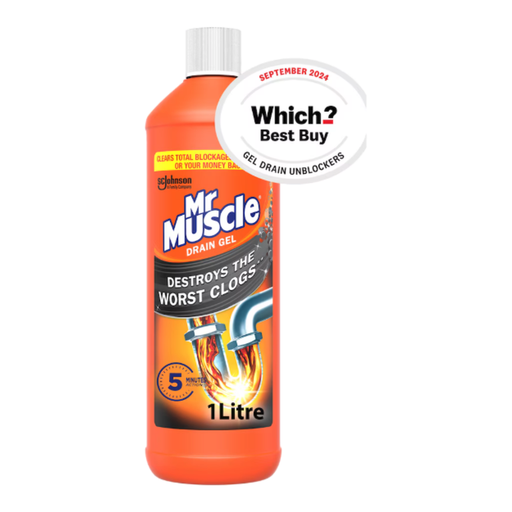
Why This Fits Their Persona: A larger-format option for landlords, professional cleaners or busy households managing repeated sink, plughole and pipe blockages.
The gel is described as suitable for standing water and common debris, while its one-litre size makes the quantity clear for buyers comparing ongoing use.
Gel format; 1l capacity; stated use on sinks, plugholes and household pipes. The label advises protective gloves and eye protection and warns against mixing products.
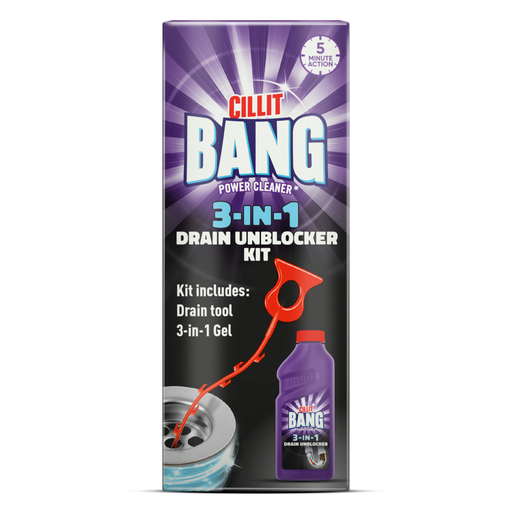
Why This Fits Their Persona: Useful for households dealing with visible hair or solid debris at the plughole before applying a chemical treatment.
It does not rely on gel alone: the included tool is used first to loosen surface debris, followed by the stated chemical treatment.
Two-step process; suitable for kitchen and bathroom sinks, showers and baths. The instructions state that the tool should not be reused after gel application.
Before applying a bathroom sink unblocker, remove standing water only if the label permits it and protect nearby surfaces from splashes. Pour slowly, use the stated amount and never lean over the plughole. Do not use boiling water unless the instructions specifically allow it; hot tap water is often requested instead.
If the blockage remains after the permitted treatment, avoid repeatedly adding chemicals. A persistent obstruction, leaking trap or backed-up waste pipe may require a qualified plumber. Tenants should report plumbing faults to the landlord where appropriate.
We have compiled a complete, real-time list of products that fully satisfy these strict selection criteria and UK safety regulations.
It depends on the formula. Some gel products specify around five minutes, foam products may require an hour and enzyme-based options can require overnight treatment. Always follow the product label rather than combining products or extending the treatment without guidance.
Only if the product description or label lists kitchen sinks as suitable. A kitchen drain may contain grease and food residue, so choose a sink and drain unblocker that explicitly covers these materials. Rinse thoroughly as directed after treatment.
Use a removable hair catcher in showers and baths, clear visible debris regularly and avoid washing grease or food residue into the sink. Monthly maintenance may help some households, but the recommended frequency depends on the individual product and plumbing system.