
24/7 Customer Support

Free returns

Same-day & Next-day Delivery

Quality Guaranteed

Unlock Your Welcome Offers: FREE Delivery | Up to 80% OFF | Free 30-day JoyPlus trial
Download the APP
A damp towel thrown over the door, another piled on the radiator. It’s a familiar scene in many UK homes, where bathroom space is often at a premium. A well-chosen bathroom towel rack does more than just hold towels; it helps them dry properly, keeps your space organised and adds a finishing touch to your décor.
But with so many options available, from a simple wall mounted towel rail to a multi-tier freestanding towel rack, finding the right one can be a challenge. As the Joybuy Product Recommendation Officer, my role is to help you navigate the choices. This guide offers practical advice and highlights a few standout towel storage solutions to help you create a more functional and stylish bathroom.
Before you start browsing, consider a few key factors. Thinking about these points will help you narrow down the options and find a towel organiser that fits your space and lifestyle perfectly.
This is the first major decision. Your choice will depend on your bathroom's size, layout and whether you're able to drill into the walls.
The material affects both the durability and the style of your towel rack. You'll want something that can withstand the humid bathroom environment while complementing your existing fixtures.
Here are a few recommendations that address different needs, from maximising storage in a family bathroom to adding a sleek touch to a modern en-suite.
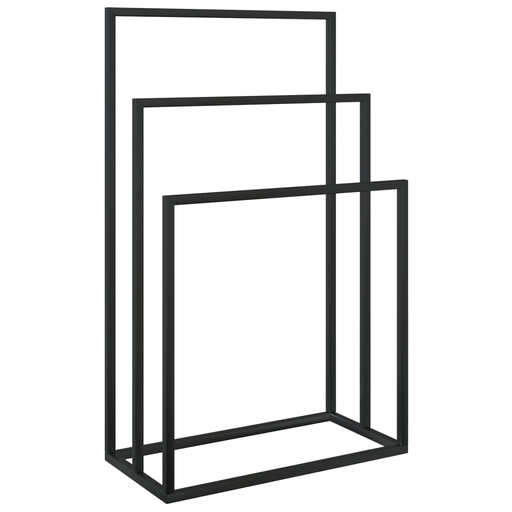
Why It Stands Out: This freestanding rack offers a practical, no-drill solution with significant storage capacity. Its three-tier design allows for multiple towels to be hung with enough space between them to air dry effectively, reducing clutter and keeping your bathroom tidy.
Pros:
Who is it for? This is an excellent choice for families needing to hang multiple towels or for renters seeking a stylish, non-permanent towel storage solution. Its modern design also suits anyone looking to make a statement with a black towel stand.
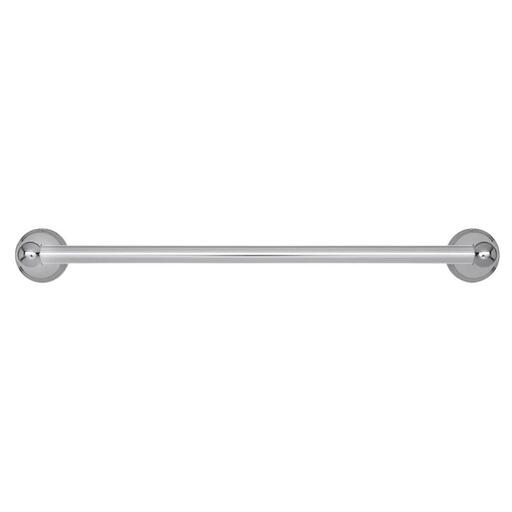
Why It Stands Out: The Croydex Westminster rail embodies classic British design with its polished chrome finish and concealed fixings. It provides a clean, high-end look without visible screws, creating a seamless and elegant appearance on your wall.
Pros:
Who is it for? This is for the homeowner who appreciates a classic, uncluttered aesthetic. It’s a perfect fit for those wanting a permanent, high-quality fixture that matches their other chrome accessories.

Why It Stands Out: This unit is a clever multi-tasker, combining two towel rails with two shelves. It’s a complete towel organiser that provides space for hanging towels to dry while also offering a spot for folded towels, toiletries or decorative items.
Pros:
Who is it for? This is the ideal solution for anyone with a compact bathroom or en-suite. If you need to store folded towels and hang used ones simultaneously without taking up floor space, this unit is a highly practical choice.
The products highlighted here are just a starting point. Every bathroom is unique, and the right solution for you might be a different style or configuration. If you're still searching for the perfect fit, you can explore a wider selection of options.
For more styles, sizes and finishes, browse our full collection of DIY bathroom towel storage.
1. How high should I mount a bathroom towel rail? A standard height for a bath towel rail in the UK is around 1200mm (48 inches) from the floor. This keeps long bath towels from touching the ground while remaining easily accessible for most adults. For a hand towel ring or rail next to a basin, a height of around 900-1000mm is typical. Always measure with your towels to be sure.
2. What is the difference between a towel rail and a towel rack? The terms are often used interchangeably, but generally, a "towel rail" refers to a single or double bar for hanging one or two towels. A "towel rack" is often a larger structure, which could be a freestanding unit with multiple bars or a wall-mounted unit that includes a towel shelf for storing folded towels.
3. How do I stop my wall-mounted towel holder from coming loose? The key is a secure installation. If you are mounting it onto plasterboard, it is crucial to use the correct wall plugs, such as hollow wall anchors or toggle bolts, which are designed to grip the back of the board. If possible, try to fix at least one side of the rail into a wooden stud behind the plasterboard for maximum stability. Always follow the manufacturer's instructions and ensure you do not overload the rail.