Hosts making garlic or herb butter
Choose an unsalted block when you want to add the salt yourself while mixing a butter for corn, vegetables or bread. Tesco lists Lurpak Unsalted Butter 200g as a block with less than 0.01g salt per 100g.


If “mild” means keeping added salt under your control, choose unsalted butter: a block for making garlic or herb butter and cooking, or an unsalted spreadable blend for serving straight from the fridge. A salted spreadable is convenient for bread or corn, but check its salt label when rubs, sauces or other ingredients already provide seasoning. Keep chilled foods covered and chilled until needed outdoors, as UK Government BBQ food-safety guidance advises.
The useful distinction is whether you are preparing a seasoned butter, spreading it at the table or checking what guests can eat.
Choose an unsalted block when you want to add the salt yourself while mixing a butter for corn, vegetables or bread. Tesco lists Lurpak Unsalted Butter 200g as a block with less than 0.01g salt per 100g.
A spreadable blend is worth considering when you want to serve it directly from the fridge. Compare unsalted and salted versions by their labels: ASDA lists less than 0.01g salt per 100g for Lurpak Unsalted Spreadable, while Anchor lists 1.1g per 100g for Original Spreadable.
Butter and the dairy spreadable products discussed here contain milk. Check the current label of a suitable alternative before serving it to someone with a milk allergy or intolerance; the Food Standards Agency identifies milk as an allergen found in butter.
Choose it: When making flavoured butter or cooking with a conventional butter block and adding your own seasoning.
Bear in mind: A chilled block may need time to soften if you plan to spread it on bread.
Choose it: When you want an unsalted option to spread on buns or bread directly from the fridge.
Bear in mind: It contains oil and water as well as butter, so check a recipe before substituting it for a block.
Choose it: When immediate spreading matters and its existing seasoning suits what you are serving.
Bear in mind: Its salt contributes to the dish before sauces, rubs or other toppings are added.
| Priority | What to check | Your needs |
|---|---|---|
| Salt control | Compare the unsalted designation and salt per 100g on the exact pack. Tesco lists less than 0.01g per 100g for Lurpak Unsalted Butter; Anchor lists 1.1g per 100g for Original Spreadable. | I’m adding a salty rub, sauce or cheese, so I want to decide how much salt goes into the butter. |
| Spreading | Check whether the product is a block or a spreadable blend and whether it must be kept refrigerated. ASDA lists butter, rapeseed oil and water in Lurpak Unsalted Spreadable. | For buns or bread served from a chilled supply, I’d rather use a spreadable than wait for a block to soften. |
| Recipe format | Check whether your recipe calls for block butter or permits a butter-and-oil blend. Anchor recommends its regular block butter rather than Original Spreadable for cooking. | If I’m melting butter or making garlic butter, I want the format specified by the recipe rather than assuming a spreadable will work the same way. |
| Allergens and storage | Read the current milk-allergen declaration. Follow the pack’s storage instructions; UK Government BBQ guidance advises keeping chilled foods covered and chilled until needed and separating utensils used for raw and ready-to-eat foods. | When serving guests outdoors, I need to check what they can eat and keep ready-to-eat food away from raw-meat preparation. |
Salted butter can season a dish before barbecue sauce or a rub is added. Anchor lists 1.1g salt per 100g for Original Spreadable, whereas Tesco lists less than 0.01g per 100g for Lurpak Unsalted Butter.
For a butter you will mix with other seasoned ingredients, check the exact salt declaration and add seasoning to taste yourself.
The spreadables listed by ASDA and Anchor combine butter with rapeseed oil and water, rather than having the same composition as a conventional butter block.
Check the recipe’s required format before substituting a blend, particularly for cooking or making a flavoured butter.
UK Government BBQ guidance warns that warm weather favours bacterial growth and that utensils used for raw foods can contaminate ready-to-eat dishes.
Keep chilled foods covered and chilled until needed, and use separate or thoroughly washed utensils and surfaces for raw and ready-to-eat foods.
ASDA advises that product ingredients and allergy information can change, which matters when serving someone who cannot have milk.
Check the current pack label for ingredients and allergens before buying and serving.
Compare the particular product and its label, rather than assuming every butter or spreadable from one brand has the same ingredients.
Its unsalted block and unsalted spreadable offer two different formats for controlling added salt.
Original Spreadable is a salted butter-and-rapeseed-oil blend for spreading.
Its 200g unsalted butter is a block-format option.
Its butter range provides own-label and branded products to compare by format and pack label.
Its Lurpak listing provides product details for shoppers comparing spreadable blends.
Its listings illustrate the difference between a salted own-label block and a branded unsalted spreadable.
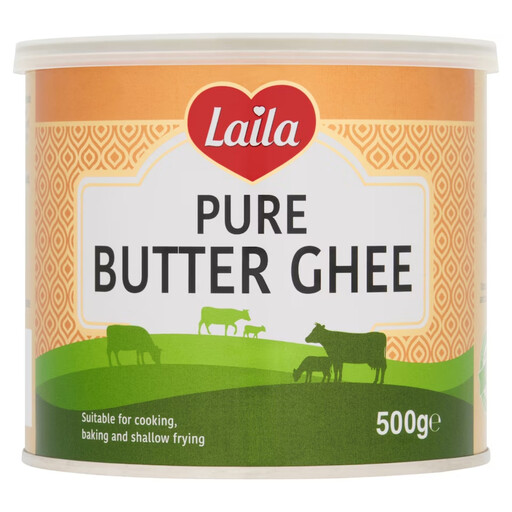
This Joybuy option is ghee for cooking, not one of the unsalted blocks or spreadable blends compared above. Consider it only if clarified butter suits the recipe and the intended flavour.
 No image available
For cooking during BBQ preparation, check whether clarified butter fits your recipe and your meaning of “mild”. This 500G ghee is not a conventional butter block or spreadable blend and contains milk.
If you mean less added salt, compare the salt declaration on the exact product rather than treating “mild” as a measured flavour grade. Tesco lists less than 0.01g salt per 100g for Lurpak Unsalted Butter, while Anchor lists 1.1g per 100g for Original Spreadable; those figures do not tell you which flavour you will prefer.
Choose an unsalted block for a recipe calling for block butter or for making garlic or herb butter; consider an unsalted spreadable when serving bread directly from a chilled supply. The Lurpak spreadable listed by ASDA contains rapeseed oil and water as well as butter, so check before using it in place of a block in a recipe.
Keep chilled foods covered and chilled until needed rather than leaving them out throughout the event. UK Government BBQ food-safety guidance also advises separating utensils used for raw foods from those used for ready-to-eat dishes.
No: the butter and dairy spreadable products discussed here declare milk, which the Food Standards Agency identifies as an allergen found in butter. Choose a suitable alternative and check its current allergen label before serving.
Yes. ASDA advises that ingredients, nutrition and allergy information can change, so use the current pack label when checking salt, ingredients or milk allergens before serving.