Hosts serving a non-alcoholic BBQ drink
If fizz is part of the plan, look for a sparkling juice or fruit-flavoured soft drink. A conventional smoothie serves a different purpose: it offers a blended-fruit drink without the expected bubbles.


For a BBQ where guests expect fizz, choose a drink explicitly labelled sparkling rather than assuming a fruit smoothie will be carbonated. Choose a smoothie when guests want blended fruit without fizz; for either choice, check the ingredients and serving size. The NHS advises limiting fruit juice and smoothies to a combined 150ml a day.
The useful distinction is whether guests want carbonation, a blended-fruit drink or a particular serving format.
If fizz is part of the plan, look for a sparkling juice or fruit-flavoured soft drink. A conventional smoothie serves a different purpose: it offers a blended-fruit drink without the expected bubbles.
Compare the drink type and the amount in each bottle or glass. The NHS advises limiting fruit juice and smoothies to a combined 150ml a day, so a pack’s individual serving size matters as well as its total volume.
A fruit-flavoured sparkling soft drink offers a different option from a smoothie or 100% juice. Check the particular drink’s nutrition panel and ingredients rather than treating fruit wording or a no-added-sugar label as its complete description.
Choose when: Guests specifically want a blended-fruit drink and fizz is not required.
Bear in mind: A smoothie will not stand in for a sparkling drink, and it falls within the NHS’s combined 150ml daily advice for juice and smoothies.
Choose when: You want both carbonation and a juice-based drink, such as Appletiser’s carbonated apple juice described on Joybuy.
Bear in mind: Sparkling juice is not a smoothie; fruit juice also falls within the NHS’s combined 150ml daily advice.
Choose when: Fizz and fruit flavour matter more than choosing a smoothie or 100% juice.
Bear in mind: Fruit content, added sugar and sweeteners vary by drink; a no-added-sugar claim does not describe the whole formulation.
| Priority | What to check | Your needs |
|---|---|---|
| Fizz | Look for sparkling or carbonated wording on the exact product. Confirm whether it is a smoothie, sparkling juice or fizzy soft drink. | I’m serving a bubbly drink with the BBQ, so a conventional still smoothie would not meet that expectation. |
| Fruit and ingredients | Read the ingredient list and any stated fruit percentage. Compare the nutrition panel per 100ml, including sugars, and check for added sugar or sweeteners. | Fruit flavour is important to me, but I also want to know whether I’m buying juice, blended fruit or a fruit-flavoured soft drink. |
| Serving format | Check the volume per bottle or can and the number of servings in a multipack. Decide whether individual drinks or a shared bottle suits the table. | I’m pouring drinks for several guests and want to know how much each person is likely to be served. |
| Juice and smoothie portions | For fruit juice and smoothies, account for the NHS’s combined 150ml daily guidance. A bottle larger than 150ml need not be treated as one serving. | If I serve juice or smoothies, I want the glass size to make sense alongside any other juice or smoothie offered that day. |
A blended-fruit smoothie may disappoint guests who were expecting a bubbly BBQ drink; UK retailers list smoothies separately from sparkling juice drinks.
Check the exact product for sparkling or carbonated wording before buying it for a fizzy serve.
A carbonated juice drink and a fruit-flavoured soft drink can have different fruit ingredients, sugar and sweeteners.
Compare the ingredient list, any stated fruit percentage and sugars per 100ml on the products you are considering.
Guests may pour different amounts from the same bottle. For fruit juice and smoothies, that matters when considering the NHS’s combined 150ml daily guidance.
Check the bottle volume and choose a glass size before serving, rather than assuming the pack defines an individual portion.
These examples illustrate different drink types; a brand’s inclusion here does not mean every product in its range is sparkling.
A reference for conventional fruit-and-vegetable smoothies when carbonation is not the aim.
A conventional smoothie option listed by Tesco Groceries.
An own-label smoothie reference alongside branded products.
A reference for sparkling fruit-flavoured drinks and pressés in sharing bottles.
A sparkling apple-juice example rather than a blended-fruit smoothie.
This supplied comparison orders three sparkling drinks by confirmed carbonation, clarity of fruit formulation and BBQ serving format. It combines product information from Joybuy and Marks & Spencer; it is not a taste, nutritional or market-wide ranking.
| Rank | Drink | Main specifications | Why consider it | Platform |
|---|---|---|---|---|
| 1 | Appletiser 100% Apple Juice Lightly Sparkling, 6 × 250ml | Six 250ml bottles; Joybuy describes the drink as 100% carbonated apple juice from concentrate. | Individual bottles suit separate serves when guests want sparkling juice. Each 250ml bottle is larger than the NHS’s combined 150ml daily guidance for juice and smoothies. | Joybuy |
| 2 | M&S Diet Pineapple and Grapefruit Sparkling Drink, 2L | 2L sparkling soft drink; Marks & Spencer states that it has no added sugar. | A sharing-bottle option when fizz and fruit flavour matter more than choosing a smoothie or 100% juice. Check the ingredients and nutrition panel for the exact drink. | M&S |
| 3 | M&S British Strawberry and Elderflower Sparkling Pressé, 750ml | 750ml bottle; Marks & Spencer describes sparkling spring water with British strawberry juice. | A smaller table bottle for guests who want a strawberry-and-elderflower pressé rather than an individual can or bottle. | M&S |
These Joybuy options are sparkling juice and fruit-flavoured drinks for serving with a BBQ, not conventional smoothies. Compare their formats and labels according to what your guests want.
 Image unavailable
For guests who want fizzy apple juice in separate bottles rather than a smoothie. Joybuy describes it as 100% carbonated apple juice from concentrate. Each bottle holds 250ml; the NHS advises a combined daily limit of 150ml for juice and smoothies.
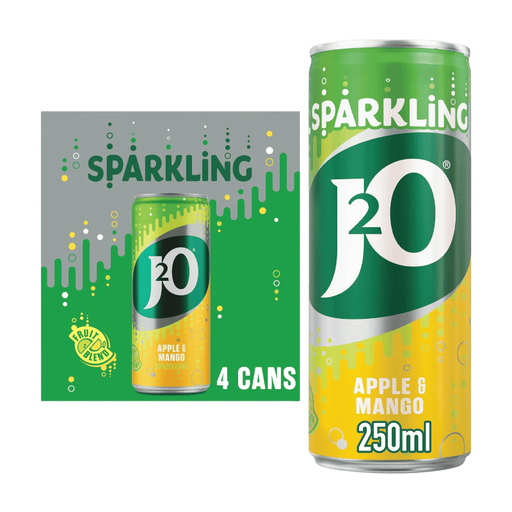 Image unavailable
A sparkling apple-and-mango drink in four individual 250ml units for serving guests separately. It is a fruit drink rather than a smoothie or 100% juice; check the ingredients if sweeteners matter to your guests.
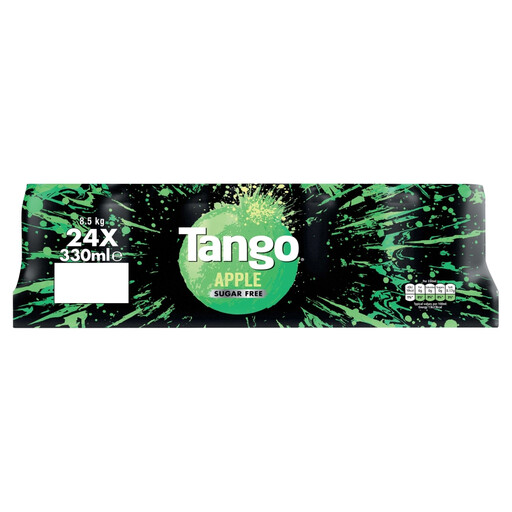 Image unavailable
An apple-flavoured fizzy drink in a 24-can format for a larger gathering. Sugar-Free is part of this product’s name; check its nutrition panel and sweeteners rather than treating it as a smoothie or fruit juice.
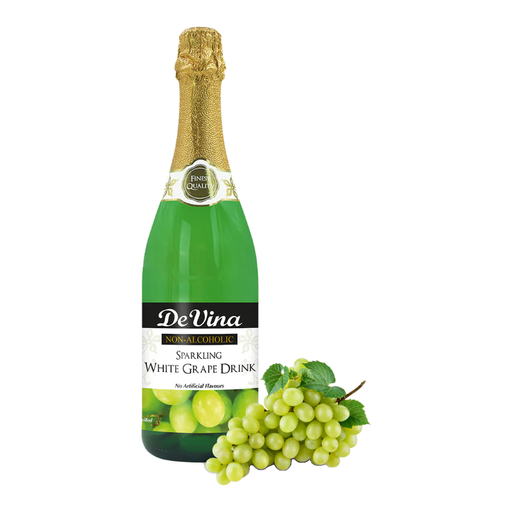 Image unavailable
A sparkling white-grape drink in a bottle that can be poured at the table. It contains sulphites, so check the label when serving guests with relevant restrictions; the 750ml bottle does not define an individual portion.
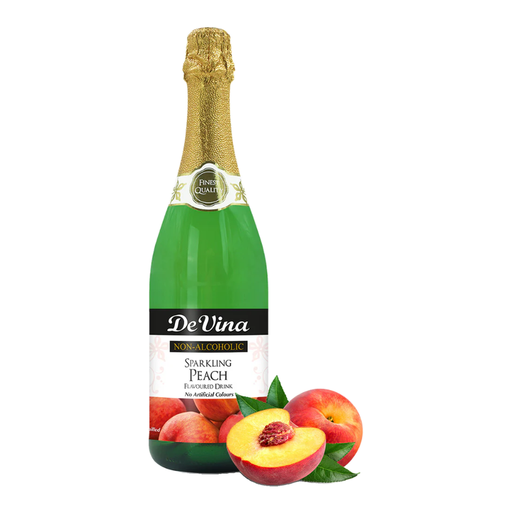 Image unavailable
A sparkling peach drink in a 750ml bottle for pouring into separate glasses. It contains sulphites; check the label and choose glass sizes to suit the guests you are serving.
No. A smoothie is a blended-fruit drink, while a sparkling juice or soft drink is a different product type. If bubbles matter for your BBQ, confirm carbonation on the exact drink’s label or ingredients.
The NHS advises limiting fruit juice and smoothies to a combined 150ml a day. Check the volume of individual bottles and the amount poured from sharing bottles when planning servings.
No. No added sugar does not tell you the drink’s total sugar content, which can also reflect its fruit ingredients. Read the sugars figure on the nutrition panel and the ingredient list for the particular product.
It is a substitute only if guests want a fruit-based drink with fizz rather than a blended-fruit smoothie. Juice and smoothies are distinct drinks, although both fall within the NHS’s combined 150ml daily guidance.