Hosts choosing lower-sugar drinks
If guests want a flavoured option without the sugars in a standard isotonic drink, compare zero-sugar products by their exact nutrition and ingredient labels. Keep water available too.


For a social BBQ, put water in the cool box first: the British Dietetic Association says people doing occasional sport generally do not need sports drinks. A zero-sugar sports drink offers a flavoured option when avoiding sugar matters, while a carbohydrate-electrolyte drink is more relevant when prolonged exercise makes carbohydrate part of the plan. Check the exact pack for sugars, sweeteners and ingredients before serving it.
The activity planned alongside the BBQ matters more than the word “sport” on a bottle.
If guests want a flavoured option without the sugars in a standard isotonic drink, compare zero-sugar products by their exact nutrition and ingredient labels. Keep water available too.
Someone taking part in prolonged sport may want carbohydrate as well as fluid. Check whether a standard isotonic drink supplies what they intend to use; ordinary time spent grilling is a different situation.
Offer a choice of water and clearly identified drinks. Anyone checking sugar, sweeteners or allergens needs the ingredients and nutrition information for the exact flavour and pack being served.
Start with what guests will be doing, then compare the sugar and ingredients on the bottles you are considering.
| Priority | What to check | Your needs |
|---|---|---|
| Everyday drinks | Put water on the drinks list. If choosing a flavoured alternative, check whether its nutrition panel says zero sugar or gives a sugar amount. | For a relaxed BBQ without prolonged exercise, I want drinks available without making a sports drink the default. |
| Activity and carbohydrate | Check whether the drink contains carbohydrate and electrolytes, and read the carbohydrate amount on the pack. A zero-sugar variant may provide no carbohydrate. | If guests have a prolonged sporting activity planned, I want to distinguish a drink that supplies carbohydrate from one chosen mainly for flavour. |
| Sugar per bottle | Compare sugars per 100 ml with the bottle volume or a stated per-bottle figure. Tesco Groceries lists 4.1 g sugars per 100 ml for Powerade Berry & Tropical Fruits 500 ml. | When one person might drink a whole bottle, the amount in that bottle matters to me more than the per-100 ml figure alone. |
| Sweeteners and ingredients | Read the ingredients for the exact flavour, including sweeteners and any phenylalanine warning. Aspartame-containing drinks are unsuitable for people with phenylketonuria (PKU). | I need to know what is in each drink before offering it to guests with particular dietary requirements. |
| Pack format | Check bottle size, pack count and whether a powder must be mixed with water. Do not assume that a low-sugar powder is sugar-free. | For a cool box, I may prefer individual ready-to-drink bottles; if I choose a powder, I need water and a way to prepare it. |
A mainly social BBQ does not create the same drink choice as prolonged exercise. The British Dietetic Association advises that occasional exercisers generally do not need sports drinks and are better choosing water.
Stock water first; consider a carbohydrate-electrolyte option for guests whose planned activity calls for it.
The per-100 ml value is not the amount in a larger bottle. Tesco Groceries lists 4.1 g sugars per 100 ml for a 500 ml Powerade Berry & Tropical Fruits bottle, which works out to 20.5 g for the bottle.
Use a stated per-bottle figure where available, or calculate it from the per-100 ml value and bottle size.
Zero-sugar and standard isotonic drinks can serve different purposes: the former addresses a sugar preference, while carbohydrate is part of the latter’s exercise-focused formulation.
If carbohydrate matters for the planned activity, read that line of the nutrition panel rather than relying on the words “sports drink”.
A zero-sugar label does not identify every sweetener or tell you whether the exact flavour suits a guest’s requirements. Aspartame-containing products are unsuitable for people with PKU.
Check the ingredients, warnings and allergen information on each pack before serving it.
These examples show different drink formats and formulations; a brand name alone does not tell you the nutrition of every variant.
The range includes standard sports drinks and Zero Sugar variants.
Coca-Cola GB describes Powerade as a still, carbohydrate-containing isotonic drink intended for exercise.
Gatorade UK describes its Hydration Booster as a powder containing carbohydrate and electrolytes.
Tesco Groceries provides listings for branded and own-label isotonic drinks that can be compared by pack and label details.
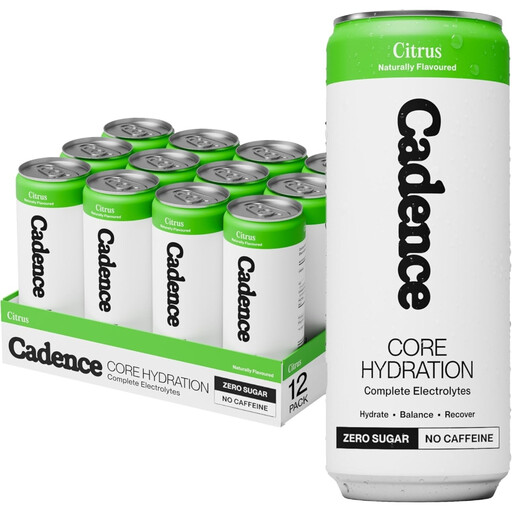
These options include a citrus hydration drink and sports drinks in individual bottles or multipacks. Choose by the activity planned, then check the exact pack’s nutrition and ingredients.
 No image available
Individual citrus drinks are a pack-format option for a gathering. Check the nutrition panel when choosing for a sugar preference rather than assuming the word “hydration” identifies its contents. The listing advises pregnant or breastfeeding people and people with certain health conditions to seek professional advice before use.
 No image available
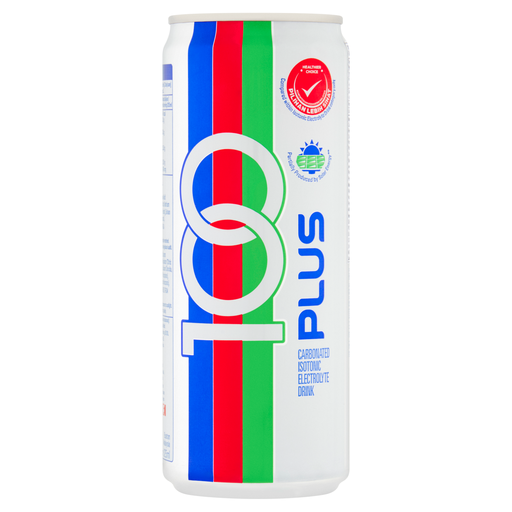
This carbonated isotonic drink is an option to examine when guests want a sports-drink format after activity. It is not a zero-sugar choice; compare the sugars for the full 325 ml serving on the pack.
 No image available
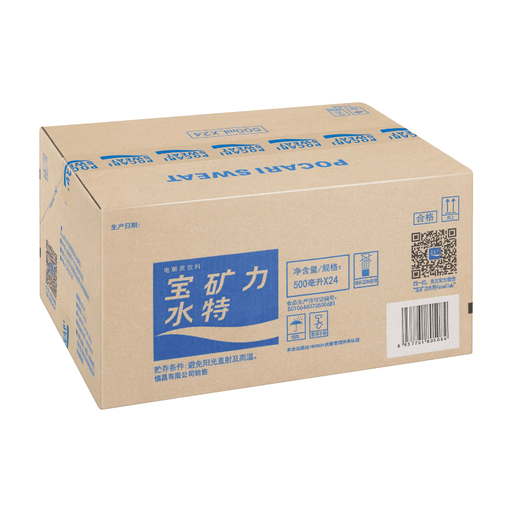
The 24-bottle pack provides individual 500 ml drinks for a group. It is not a zero-sugar option, so check the carbohydrate and sugar lines on the exact pack when choosing drinks for active guests.
 No image available
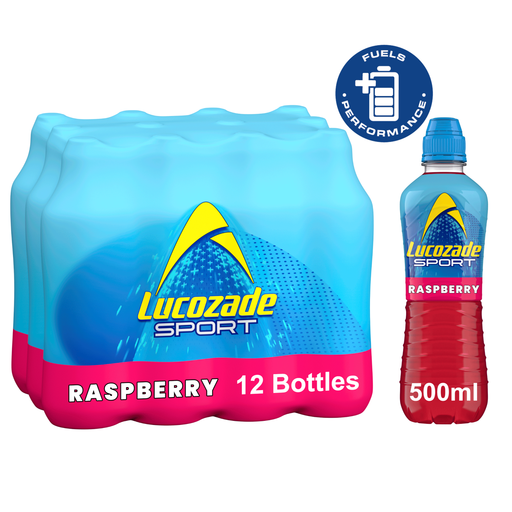
This raspberry isotonic multipack is an option for guests choosing a sports drink around exercise, not a zero-sugar alternative. The listing identifies aspartame and a phenylalanine warning: it is unsuitable for people with PKU.
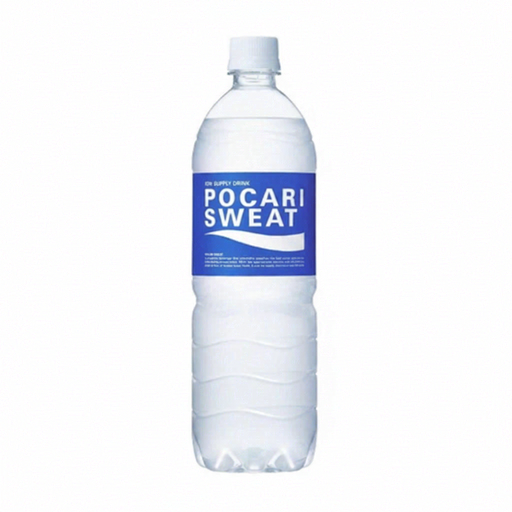 No image available
The 900 ml bottle is a larger-format drink to consider for an activity-focused gathering. If sugar content affects the choice, read the sugar figure on the exact bottle rather than using its carbohydrate figure as a substitute.
Usually not for a mainly social gathering: make water available first. The British Dietetic Association says people doing occasional sport generally do not need sports drinks; prolonged exercise can make a carbohydrate-containing option more relevant.
Choose according to whether avoiding sugar or obtaining carbohydrate is the reason for buying it. A zero-sugar drink can meet a flavour preference without the sugars in a standard isotonic drink, but check its carbohydrate line if someone intends to use it during prolonged exercise.
Read the ingredients and warnings on the exact flavour. The NHS says approved sweeteners are considered acceptable alternatives to sugar, but aspartame-containing products are unsuitable for people with PKU.
Do not substitute a zero-sugar drink for someone’s planned treatment. Diabetes UK notes that a sugary drink or glucose tablets can be essential for some people treating a hypo; the person should follow their individual treatment plan.
Ask guests to check the ingredients and allergen information on the exact bottle or pack before drinking it. Flavours and formulations can differ, so a label for another variant is not enough.