Hosts serving guests who avoid alcohol
Choose a mixer that can be served on its own, and check the ABV of any base added to it. A light or slimline description does not answer whether the finished drink meets a guest’s alcohol requirement.


Choose the drink before the mixer: for a guest avoiding alcohol, check the ABV of every ingredient; for someone cutting down, measure the alcoholic base rather than relying on a light mixer to change the drink’s alcohol content. Choose tonic, ginger or soda to suit how the drink will be served, then check the exact variant’s nutrition and ingredients if those matter to your guests. UK government guidance describes low-alcohol drinks as containing no more than 1.2% alcohol by volume (ABV), so “low alcohol” is not the same as 0.0%.
Choose a mixer that can be served on its own, and check the ABV of any base added to it. A light or slimline description does not answer whether the finished drink meets a guest’s alcohol requirement.
A measured alcoholic base and a mixer make the amount of alcohol easier to account for. Keep that choice distinct from a drink intended for someone avoiding alcohol altogether.
Individual cans can suit separate serves, while a choice beyond tonic gives guests another flavour option. Compare the exact nutrition and ingredients when sweetness or a particular ingredient matters.
Settle the alcohol requirement first; flavour, nutrition and pack format can then be chosen for the drinks you plan to serve.
Choose this when: A guest needs to avoid alcohol; serve a suitable mixer alone or add only a base whose ABV meets that guest’s requirement.
Keep in mind: Drinkaware notes that some drinks described as alcohol-free can contain alcohol, so check the exact product rather than relying on the descriptor.
Choose this when: A guest wants an alcoholic drink but intends to moderate the amount they consume.
Keep in mind: The alcoholic base and its measure determine how much alcohol goes into the drink; a slimline mixer changes neither.
| Priority | What to check | Your needs |
|---|---|---|
| Alcohol content | Read the ABV on the exact base and any ready-to-drink product. UK government guidance describes low alcohol as no more than 1.2% ABV; check a stricter requirement against the individual label. | Someone at my BBQ needs to avoid alcohol, rather than simply have a drink with less of it. |
| Separate serves | Keep alcoholic bases distinct from alcohol-free ingredients. Identify pre-mixed drinks clearly and choose a mixer that can also be served without a base. | I want guests to be able to tell which drinks contain alcohol before they pour one. |
| Nutrition and ingredients | Compare calories and sugars on the exact variant’s nutrition label, using the same per-100 ml basis. Check the ingredients when a sweetener or other ingredient matters. | A lighter-tasting or slimline option interests me, but I do not want its name to stand in for the label. |
| Flavour | Choose between tonic’s quinine-led taste, ginger, soda and other flavoured mixers. Consider whether each will be served alone or paired with a base. | Some guests may want tonic, while others would rather have a non-tonic soft drink. |
| Serving format | Check can or bottle volume, pack count and how many separate drinks you plan to make. Individual cans and larger bottles suit different serving arrangements. | I am deciding whether to set out individual serves or pour several drinks from the same bottle. |
Those words do not establish the ABV of a finished mixed drink. UK government guidance puts the low-alcohol boundary at 1.2% ABV, which is not the same as an individual guest’s requirement to avoid alcohol.
Check the ABV of each base and ready-to-drink product, and keep the mixer’s nutrition description separate from the alcohol decision.
Drinkaware cautions that an alcohol-free description does not establish a drink’s calorie content. Flavoured mixers also differ by variant.
Use the nutrition label to compare the exact drinks you are considering, and read the ingredients if a guest avoids a particular sweetener.
Tonic, ginger and soda offer different tastes. A guest drinking a mixer without an alcoholic base may prefer a different option from someone making a tonic-based long drink.
Alongside a tonic, consider one non-tonic mixer that guests can serve on its own.
These brand ranges provide different starting points for choosing a flavour and format; check the individual product before deciding what to serve.
Fever-Tree presents tonic, ginger, soda and cocktail-mixer ranges for different styles of serve.
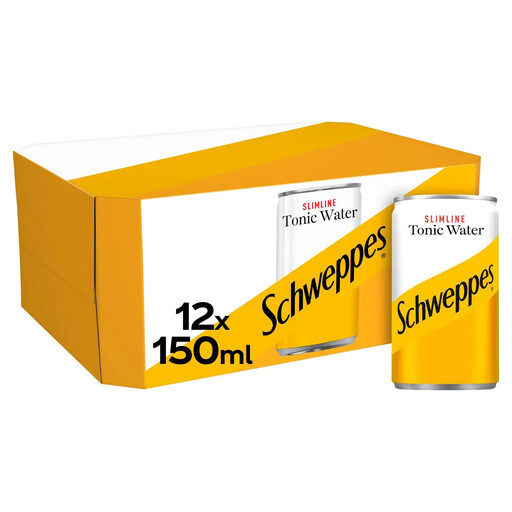
Schweppes Slimline Tonic Water is a tonic option available in a 12 × 150 ml pack.
Fentimans lists tonic, soda, ginger ale and ginger beer among its mixer styles.
Tesco Groceries has listed own-label low-calorie tonic, ginger ale and flavoured soda options.
Britvic’s published range history includes Indian tonic, low-calorie Indian tonic and ginger ale.
These tonic and ginger options cover individual serves and a choice of flavours for a mixed BBQ drinks table. Check every ingredient’s ABV if a guest needs to avoid alcohol; none of these mixer names establishes the alcohol content of a finished drink.
 No image available
A tonic option for separate BBQ serves in a pack of twelve 150 ml cans. The Joybuy ingredient listing includes quinine-containing natural flavourings and aspartame; check the label if either ingredient matters to a guest.
 No image available
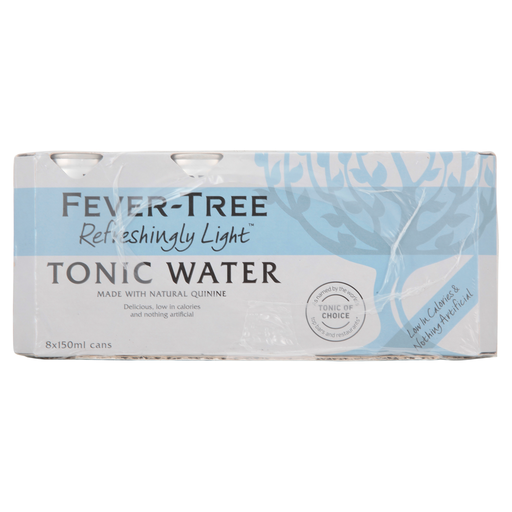
An Indian tonic option in eight 150 ml cans for guests who prefer individual serves. Compare the exact label’s nutrition with other tonics if calories or sugars are part of your choice.
 No image available
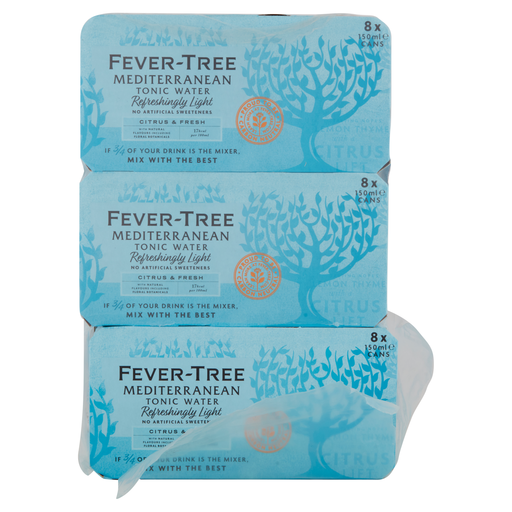
A Mediterranean tonic option when the table needs a different tonic style alongside a classic one. The pack contains eight 150 ml cans; check the exact label for nutrition and ingredients.
 No image available
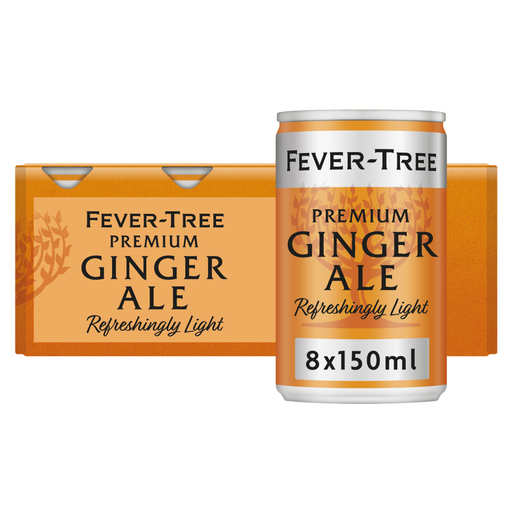
A ginger ale alternative for guests who do not want tonic. Its eight 150 ml cans allow separate serves; use the nutrition label, rather than “light” alone, when comparing variants.
 No image available
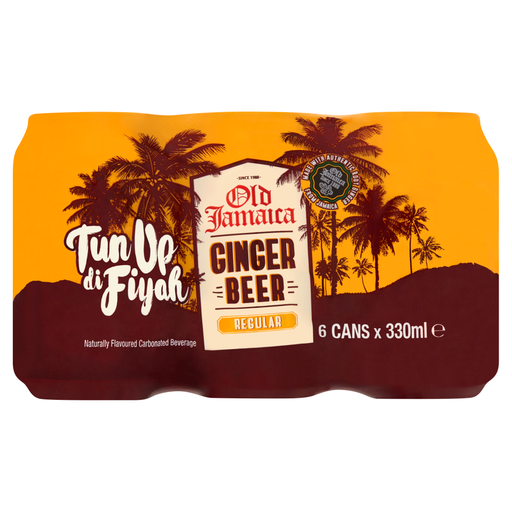
A ginger-flavoured option alongside tonic, supplied in six 330 ml cans. Choose it for the ginger style and serving format, not on the assumption that it has a particular calorie or alcohol content.
No. UK government guidance describes low-alcohol drinks as containing no more than 1.2% ABV. Drinkaware notes that some products described as alcohol-free can still contain alcohol, so check the exact ABV when a guest needs to avoid it.
Not on its own. The ABV and amount of the alcoholic base determine how much alcohol goes into a mixed drink; “light” or “slimline” on a mixer does not establish the finished drink’s ABV.
Yes, if calories, sugars or particular ingredients affect your choice. Drinkaware cautions that alcohol-free does not automatically mean low calorie; compare the exact product’s label rather than its descriptor.
Consider a ginger mixer, soda or another flavoured soft drink that they would enjoy on its own. Set it apart from alcoholic bases and identify any pre-mixed drinks clearly so guests can choose the serve they intended.