
24/7 Customer Support

Free returns

Same-day & Next-day Delivery

Quality Guaranteed

Unlock Your Welcome Offers: FREE Delivery | Up to 80% OFF | Free 30-day JoyPlus trial
Download the APP
Choosing a bottle of BBQ sauce should be simple, but labels can make similar products seem interchangeable. A thick sauce may be suitable for dipping but burn quickly on a hot grill, while a chilli-forward recipe may overwhelm a family meal. Imported sauces can also contain common allergens such as soy, wheat, sesame or mustard.
As the Joybuy Product Recommendation Officer, I focus on practical details rather than marketing language. Before buying, check how you intend to use the sauce, the flavour profile, the bottle size and the storage instructions.
A grilling sauce, marinade and dipping sauce may have different practical uses. Sugary sauces can caramelise attractively, but applying them too early over high heat may cause scorching. For many products, it is more suitable to brush on the sauce during the final minutes of cooking.
If you want a meat glaze, look for a thick consistency that clings to food. For marinating, a more fluid sauce may coat thinly sliced meat or vegetables more evenly.
Terms such as “smoky”, “spicy”, “sweet” and “mild” are useful starting points, but they do not fully describe the recipe. A Japanese BBQ sauce often has a soy-based savoury and umami profile. Korean recipes may include pear, garlic, sesame or chilli. Jamaican jerk sauces commonly feature Scotch Bonnet pepper, allspice and thyme.
Read the ingredients and consider the intended dish. A yakiniku sauce suits grilled meat and rice bowls, while a yakitori sauce is commonly used as a glossy glaze for skewers. A bulgogi sauce is generally designed for marinating Korean-style beef, pork or chicken.
A large bottle may offer convenience for frequent BBQ users, but it can be wasteful if you only grill occasionally. Check whether the product needs refrigeration after opening and how quickly it should be consumed. The stated guidance varies: some sauces recommend use within several weeks, while others allow longer storage.
Also check the bottle for damage, keep the cap tightly closed and use clean utensils when serving sauce from a jar or bottle.
Use the following guide when comparing styles:
For a marinade, confirm whether the product is ready to use and follow the label’s suggested marinating time. Never reuse sauce that has contacted raw meat unless it is thoroughly cooked first.
For glazing, brush sauce onto food towards the end of grilling or roasting. For dipping, select a sauce with a pourable or spoonable texture and serve it separately from raw ingredients.
UK food labels identify regulated allergens in the ingredients list. Soy and wheat are common in Japanese and Korean sauces; sesame may also appear. Mustard can be present in some tomato-based BBQ sauces. Always check the current packaging, particularly if you have an allergy or intolerance.
Many BBQ sauces contain notable amounts of sugar and salt. For example, the supplied nutrition information lists 39g of sugar per 100g for Heinz Sticky Barbecue Sauce and 8g of salt per 100ml for Obento Yakitori Sauce. These figures are product-specific, so compare labels rather than assuming one cuisine or style is automatically lower.
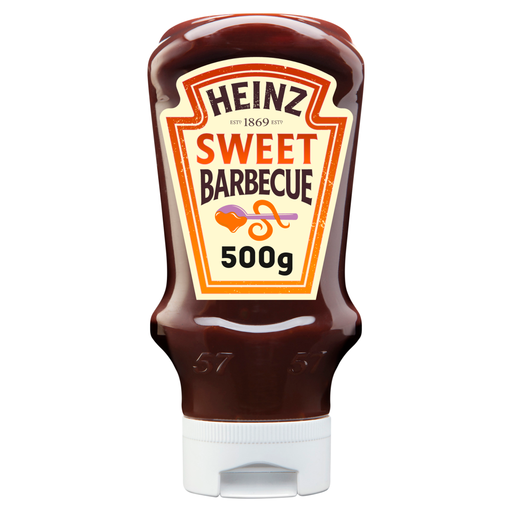
Why This Fits Their Persona: The 500g bottle suits households wanting one familiar sauce for burgers, chicken, wedges, dipping and occasional weekend grilling.
Its listed uses include marinade, basting, dip and glaze, helping a new buyer avoid purchasing separate sauces for each task.
500g net quantity; listed without allergenic ingredients; thick texture suited to dipping and glazing.
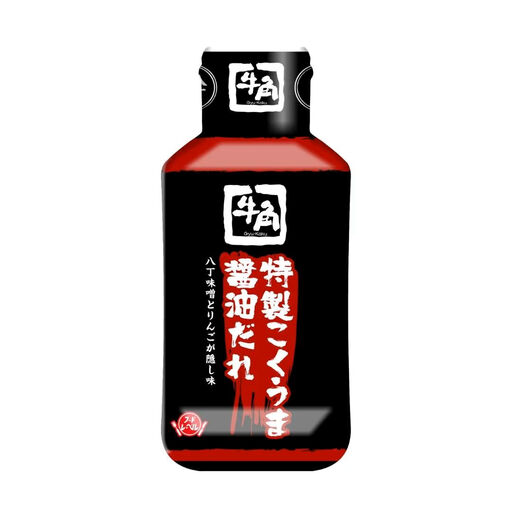
Why This Fits Their Persona: A suitable choice for cooks seeking a Japanese yakiniku-style sauce for beef, pork or chicken, with a smaller bottle for focused use.
The instructions specify brushing during the final cooking stages or marinating for 30 minutes to two hours, giving clearer guidance than a generic BBQ label.
Made in Japan; includes soy, ginger, garlic, sesame and black pepper; suitable for glazing or dipping cooked food.

Why This Fits Their Persona: Frequent cooks can use the larger bottle for Korean-style beef, bulgogi, pork, chicken, stir-fries, grilling and dipping.
Its listed uses cover marinating, glazing and dipping, while the storage guidance states to refrigerate after opening and use within three months for quality.
500g format; contains pear, onion, garlic and soy sauce; designed for beef but also listed for other meats and vegetables.
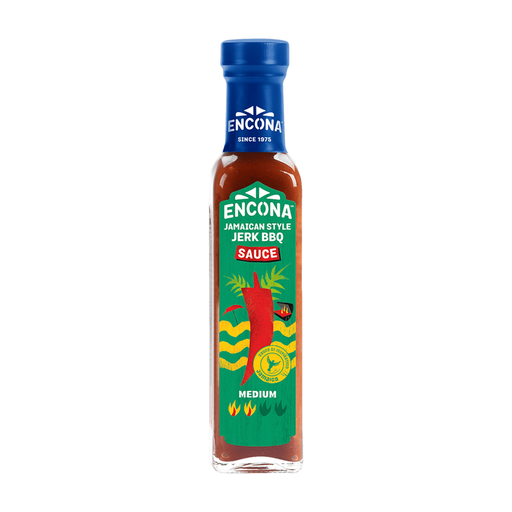
Why This Fits Their Persona: The smaller bottle is practical for cooks who want a spicy jerk profile for chicken, ribs, pork or grilled vegetables without committing to a large quantity.
The label identifies Scotch Bonnet peppers and provides a hot/spicy warning, making the heat level clearer before purchase.
142ml bottle; contains Scotch Bonnet, allspice and thyme; listed for marinating, basting and dipping.
We have compiled a complete, real-time list of products that fully satisfy these strict selection criteria and UK safety regulations.
A BBQ sauce can be used as a condiment, dip, glaze or cooking ingredient. A barbecue marinade is intended to coat food before cooking, often for a set period. Some products perform both roles, but always follow the label instructions and keep raw-meat contact separate from ready-to-eat sauce.
For thick or sweet sauces, applying them during the final five to ten minutes can reduce the chance of burning while still allowing the sauce to form a glaze. Cooking times vary according to the food, heat and recipe, so follow the product guidance and ensure meat is thoroughly cooked.
There is no single lifespan for every bottle. Many products require refrigeration after opening and recommend use within several weeks, while some provide a longer period. Check the label, keep the container sealed and discard the sauce if you notice mould, an unusual smell, leakage or a significant change in appearance.