
24/7 Customer Support

Free returns

Same-day & Next-day Delivery

Quality Guaranteed

Unlock Your Welcome Offers: FREE Delivery | Up to 80% OFF | Free 30-day JoyPlus trial
Download the APP
Choosing BBQ sauce should be simple, but supermarket shelves and online listings can make every bottle sound interchangeable. In practice, a sauce designed for dipping may burn on a hot grill, while a Japanese BBQ sauce may taste too salty when used like a traditional British condiment.
This guide helps UK shoppers compare barbecue sauce by flavour, texture, ingredients, storage and intended use, with practical recommendations for burgers, chips, meat marinades, grilled dishes and everyday meals.
“Smoky”, “sticky” and “rich” describe taste or texture, not necessarily versatility. A thick sticky BBQ sauce may work well as a glaze but become difficult to spread as a beef marinade. Conversely, a thinner sauce can coat meat evenly but run off chips or burgers.
Check whether the product information specifically lists dipping, marinating, glazing or cooking as suitable uses.
Many barbecue sauces contain sugar, syrup, molasses or honey to create a sweet taste and caramelised finish. These ingredients can also cause sauce to darken quickly over high heat. Some Japanese and Korean sauces use soy sauce as a flavour base, which can result in a notably higher salt content.
For example, the listed nutrition information gives Gyukaku Japanese BBQ Sauce, Soy Sauce Base, 10g salt per 100g, while Heinz Classic BBQ Sauce lists 1.2g salt per 100g. These products suit different cooking styles, so compare the nutrition panel rather than relying on flavour names alone.
A 500g bottle may offer a lower cost per gram, but it is only worthwhile if you will use it before its recommended storage period after opening. Smaller bottles can be more practical for occasional barbecues, while multi-packs may suit households that regularly serve brown sauce with breakfasts, burgers or chips.
For a BBQ dipping sauce, look for a smooth consistency that can be poured or squeezed easily. A thicker sauce is more useful for coating ribs, chicken wings, potato wedges and burgers.
When using sauce on a grill, apply sweet sauces towards the end of cooking or use them as a finishing glaze. Sugar can colour rapidly over direct heat. For a meat marinade, a thinner or pourable sauce is generally easier to distribute evenly.
Always read the current packaging, particularly when buying imported sauces. Common allergens include soya, wheat, barley, sesame, mustard, milk and fish. Worcestershire sauce, for instance, contains anchovies and is not suitable for vegetarians or vegans according to the supplied product information.
After opening, many sauces require refrigeration. Also check the stated consumption period: Stokes Original BBQ Sauce advises refrigeration and consumption within six weeks, while Sauce Shop Honey Chipotle BBQ Sauce advises using it within 12 weeks after opening. The packaging should take priority if details change.

Why This Fits Their Persona: A familiar UK-style condiment for breakfasts, burgers, chips and everyday savoury meals rather than specialist grilling.
Its clear brown sauce positioning avoids paying for a smoky BBQ flavour when you mainly want a breakfast and chip accompaniment.
400g squeezy bottle; UK-made product information; contains malt vinegar, molasses and spices.
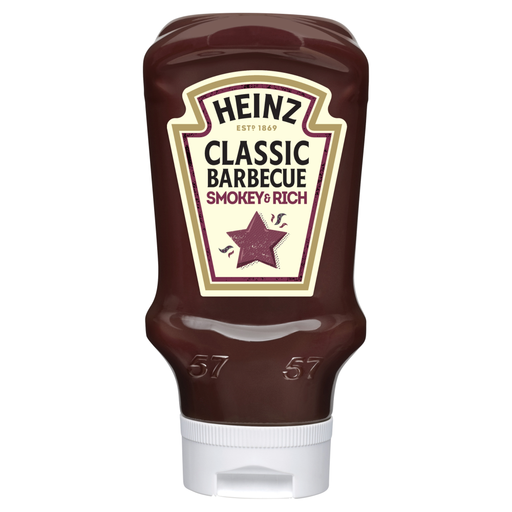
Why This Fits Their Persona: Suitable for households wanting one familiar barbecue sauce for chips, chicken, pizza, dipping and lighter marinating.
The listing specifies both dipping and marinating, helping avoid selecting a sauce intended only as a finishing glaze.
480g bottle; tomato, molasses, garlic and smoke flavouring; no allergens listed in the supplied information.
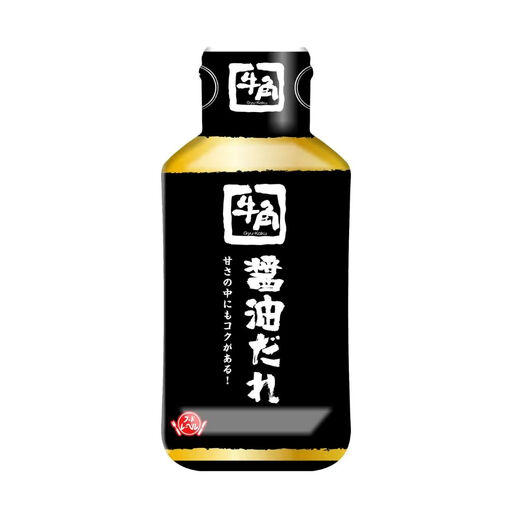
Why This Fits Their Persona: A compact option for yakiniku-style beef, pork, chicken and vegetable cooking at the grill or hob.
The soy-based profile clearly signals Japanese BBQ use, rather than suggesting it is a direct substitute for a sweet British barbecue sauce.
Includes soy sauce, apple juice, ginger, garlic and sesame oil; designed for marinating and dipping.

Why This Fits Their Persona: A larger Korean-style bottle for cooks preparing beef, bulgogi-inspired meals, grilled vegetables or repeated barbecue dishes.
Its listed uses cover marinating, basting, dipping and cooking, so one bottle can support several preparation methods.
500g size; includes soy, onion, garlic, pear, sesame oil and black pepper; suitable for beef and other meats.
For raw meat, keep unused sauce separate from the portion that has touched the meat. If you want to serve it as a BBQ dipping sauce, reserve it before marinating. Cook meat thoroughly and follow the product’s storage instructions after opening.
For a simple marinade, coat beef, chicken or pork in a suitable sauce and refrigerate it in a covered container. Korean BBQ sauce and yakiniku sauce are particularly convenient for thinly sliced meat, while smoky BBQ sauce or chipotle BBQ sauce can add a stronger flavour to burgers, chicken and pork.
Use a clean brush when glazing and apply sweet sauces near the end of cooking. This helps reduce scorching while still giving grilled food a glossy finish.
We have compiled a complete, real-time list of products that fully satisfy these strict selection criteria and UK safety regulations.
Some are. Choose a bottle that specifically states it can be used as a marinade or cooking sauce. A thinner barbecue sauce or a Korean beef marinade sauce is generally easier to spread over raw meat. Keep the meat refrigerated while marinating and never reuse uncooked marinade as a dip unless it is thoroughly cooked first.
BBQ sauce is usually tomato-based, sweeter and flavoured with smoke, spices or molasses. Brown sauce is sharper and more vinegar-led, often containing dates, malt vinegar and spices. Brown sauce suits breakfasts, burgers and chips, while BBQ sauce is more commonly used for grilling, glazing and dipping.
It varies by product. Some bottles require refrigeration and advise consumption within several weeks; others provide a longer period such as 12 weeks. Check the label, keep the cap clean and tightly closed, and discard the sauce if the packaging is damaged or the product develops an unusual odour, mould or appearance.