
24/7 Customer Support

Free returns

Same-day & Next-day Delivery

Quality Guaranteed

Unlock Your Welcome Offers: FREE Delivery | Up to 80% OFF | Free 30-day JoyPlus trial
Download the APP
Choosing a BBQ sauce can seem straightforward until you compare bottles with very different flavours, ingredients and uses. A sauce that works well as a dipping condiment may burn when brushed onto food over high heat, while a sweet glaze can overpower delicate vegetables or seafood.
For UK home cooks, the main buying pitfalls are usually hidden in the label rather than the front-of-bottle marketing.
A thick, sugary sauce may caramelise attractively, but it can scorch if applied too early over a hot barbecue. Some Japanese BBQ sauces and Korean BBQ sauces are designed for dipping or marinating, while classic smoky BBQ sauces are often used as a glaze towards the end of cooking.
Check the usage instructions before buying. If you want one bottle for several tasks, look for a sauce clearly suitable for marinating, glazing and dipping.
Japanese yakiniku sauce commonly uses soy sauce, garlic, ginger, sesame and sweet-savoury seasoning. Korean beef BBQ marinade often adds fruit purée, such as pear or apple, alongside soy, garlic and spices. A classic smoky BBQ sauce tends to centre on tomato, vinegar, molasses or treacle and smoke flavouring.
These profiles are not interchangeable. Decide whether you want an umami-rich soy-based BBQ sauce, a Korean pork BBQ sauce with fruit sweetness, a sharp wasabi finish or a familiar smoky barbecue taste.
BBQ sauces can contain significant amounts of sugar or salt, particularly thick marinades intended to cling to meat. Compare the nutrition table per 100g, not only the serving suggestion. Also check the allergen information: soy, wheat, mustard, sesame and barley appear in several sauce recipes.
Always read the current packaging before purchase, especially if cooking for anyone with a food allergy or intolerance.
A sweet BBQ sauce is suitable for family-friendly glazing, burgers, ribs and vegetables. A spicy BBQ sauce may include chilli, wasabi or black pepper and can bring more contrast to fatty meats. Medium-spicy Japanese yakiniku sauce is often a practical middle ground for dipping thinly sliced beef or chicken.
For a smoky profile, check whether the flavour comes from ingredients such as molasses, treacle, smoke flavouring or smoked water. These create different results, so the ingredient list is more useful than phrases such as “rich taste”.
Bottle sizes in this category range from around 180g to 500g. Smaller bottles are useful when trying a new flavour or cooking for one or two people. Larger bottles make more sense for frequent barbecues, meal preparation or marinades for several portions.
Once opened, storage instructions vary. Refrigeration is commonly required, with recommended use periods ranging from approximately four weeks to twelve weeks. Keep the cap tightly closed and use clean utensils to reduce contamination.
A pourable sauce is convenient for dipping and stir-fries, while a thicker sauce is more suitable for glazing. For raw meat marinades, keep unused sauce separate from the portion that has touched raw ingredients. Never reuse contaminated marinade as a dipping sauce unless it has been thoroughly cooked.
When glazing, apply most sweet or thick sauces during the final five to ten minutes of grilling or baking. This helps reduce scorching while still allowing the sauce to cling and caramelise.
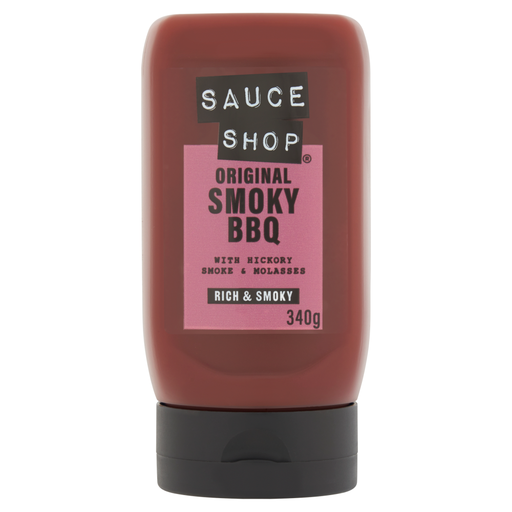
Why This Fits Their Persona: A familiar Nottingham-made option for first-time buyers who want a classic American-style smoky BBQ sauce for burgers, chicken, ribs and everyday grilling.
The ingredient list identifies tomato purée, blackstrap molasses and hickory smoked water, making the smoky-sweet profile clearer than relying on front-of-pack wording alone.
340g bottle; suitable for ribs, chicken and beef; contains mustard, which is clearly identified as an allergen.
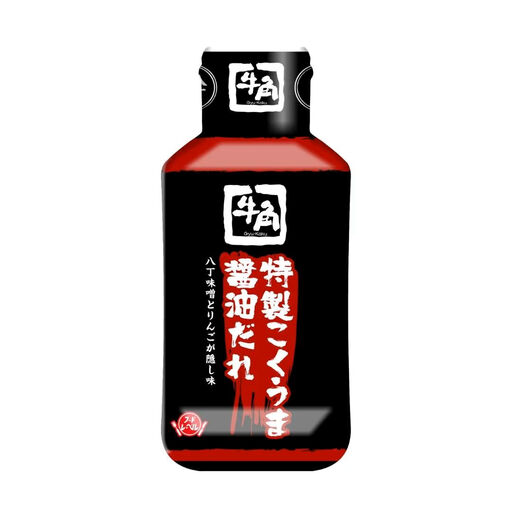
Why This Fits Their Persona: Designed for cooks seeking a Japanese-style soy-based BBQ sauce with ginger, garlic, sesame and black pepper for beef, pork or chicken.
Its stated uses distinguish marinating and brushing during grilling, helping users avoid applying a sweet sauce too early over direct heat.
Made in Japan; suitable for marinating or brushing; contains soybeans, wheat and sesame.

Why This Fits Their Persona: A larger format for regular BBQ cooks preparing beef, bulgogi-style dishes, ribs, stir-fries or several meals from one bottle.
The 500g quantity reduces the need to buy several smaller bottles, while the label states that it can be used for marinating, basting and dipping.
500g bottle; Korean-style beef marinade; includes soy sauce, onion, garlic and pear purée.
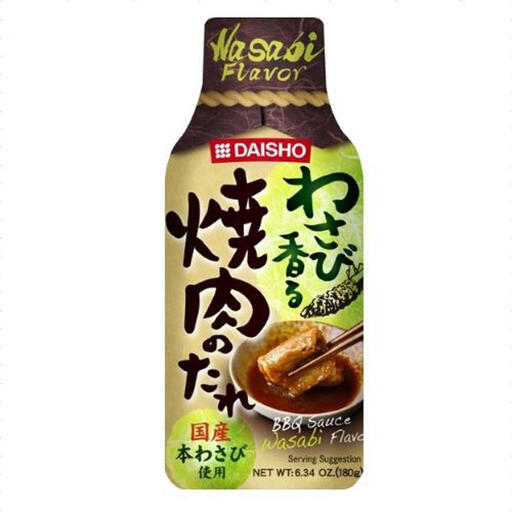
Why This Fits Their Persona: Suitable for diners who want a savoury-sweet Japanese BBQ dipping sauce with a sharp wasabi-style finish for grilled meat, rice bowls or noodles.
The flavour description identifies wasabi seasoning and horseradish rather than presenting the heat level as an unspecified “spicy” claim.
Made in Japan; works as a dip, marinade or finishing sauce; contains soy and wheat.
We have compiled a complete, real-time list of products that fully satisfy these strict selection criteria and UK safety regulations.
Some products are suitable for overnight marination, while others recommend around 30 minutes to two hours. Follow the bottle instructions and keep the meat refrigerated. Fruit-containing Korean marinades can provide a sweeter, softer flavour, while soy-based Japanese sauces are often used for shorter marination or dipping.
A Japanese BBQ sauce, yakiniku sauce or soy-based BBQ sauce can be drizzled over grilled mushrooms, aubergine, tofu, rice and noodles. A classic smoky BBQ sauce is more suited to robust vegetables, burgers and grilled meat. Start with a small amount because concentrated sauces can quickly dominate mild ingredients.
There is no single lifespan for every bottle. Examples in this range recommend refrigeration after opening and use within approximately four weeks, six weeks or twelve weeks, depending on the product. Check the label, close the bottle securely and discard it if you notice mould, unusual discolouration or an off smell.