
24/7 Customer Support

Free returns

Same-day & Next-day Delivery

Quality Guaranteed

Unlock Your Welcome Offers: FREE Delivery | Up to 80% OFF | Free 30-day JoyPlus trial
Download the APP
Choosing BBQ sauces and marinades can look straightforward until you compare sweetness, heat, salt, allergens, bottle size and cooking instructions. A sauce that works as a dipping condiment may burn when brushed over high heat, while a strongly salted seasoning can overwhelm meat after a long marinade.
This guide from the Joybuy Product Recommendation Officer focuses on practical buying decisions for UK home cooks. Whether you want a Korean BBQ marinade, Japanese yakiniku sauce, teriyaki marinade, jerk BBQ sauce or classic smoky BBQ sauce, the label matters as much as the flavour description.
Some products are ready to use as dips or table sauces, while others are designed to be mixed with water or applied during cooking. For example, McCormick Seasoning – Korean Barbecue 35g is not ready to eat: the sachet must be mixed with 90ml of water before use.
A thick grilling sauce can also contain considerable sugar. Applied too early over a hot barbecue, it may darken quickly. For a glossy finish, apply sweet sauces during the final stage of cooking unless the packaging gives different instructions.
Terms such as Korean-style, Japanese-style or Jamaican-style describe a flavour direction, not necessarily the ideal product for every dish. A bulgogi sauce is usually suited to sweet-savoury beef dishes, while a Japanese yakiniku sauce may be better for dipping thinly sliced grilled meat.
Check the recommended uses and ingredients rather than relying on front-of-pack wording. A sauce intended for pork ribs may contain chilli, sesame or a stronger sweetness than you want for vegetables or seafood.
Many BBQ sauces and marinades are concentrated condiments. The supplied nutrition information shows notable differences between products:
Always check the current packaging, particularly if you have food allergies or are buying for children. Common allergens in this category include soya, wheat, sesame, mustard, barley and milk.
Look for clear instructions covering:
Never reuse marinade that has touched raw meat as a dipping sauce unless it is thoroughly cooked separately. Keep marinating meat refrigerated and cook it thoroughly.
A mild and sweet bulgogi sauce may suit family meals, tofu and stir-fries. For stronger heat, consider a spicy BBQ sauce containing chilli or Scotch Bonnet pepper. The CJO Korean Marinade Hot & Spicy for Rib 500g and Encona Jamaican Jerk BBQ Sauce 142ml are more suitable for shoppers specifically seeking noticeable heat.
Heat can be balanced with plain rice, salad, yoghurt-based sides or unseasoned vegetables. A small bottle may be more sensible if you are trying a particularly spicy style for the first time.
A 500g jar may offer practical value for regular barbecue cooking, but smaller bottles can reduce waste for occasional users. After opening, many products require refrigeration. Supplied guidance ranges from using some sauces within a few weeks to approximately three months, so check the label and use clean utensils.
For outdoor cooking, a squeezable bottle can be easier to portion than a jar. Sachets are convenient for one meal but may offer less flexibility once opened.
The following choices are matched to different shopping needs rather than ranked universally.
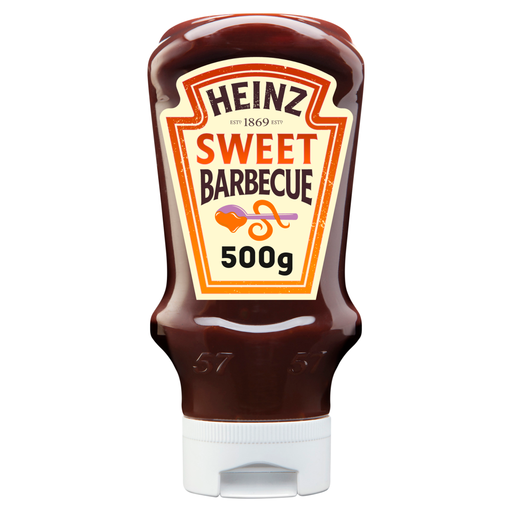
Why This Fits Their Persona: A familiar, large-format option for UK households wanting one sauce for burgers, ribs, chicken, wedges and casual weekend grilling.
Its stated uses include marinade, basting, dipping and glazing, so shoppers can choose one versatile bottle rather than buying several specialist sauces immediately.
500g quantity; vegetarian; no allergenic ingredients listed in the supplied product information.
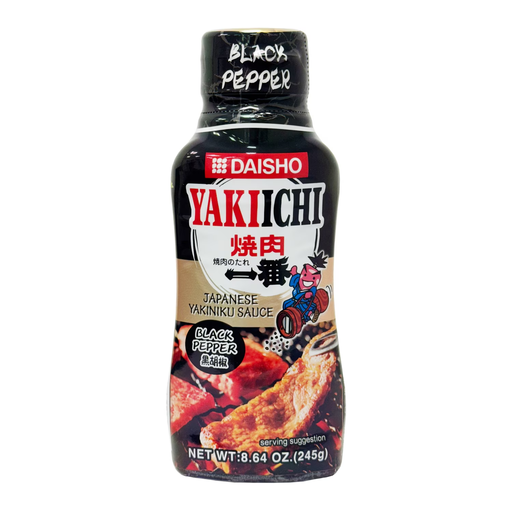
Why This Fits Their Persona: Suitable for cooks looking for Japanese yakiniku character with a prominent black pepper note for beef, pork, chicken or stir-fries.
The product information specifies marinating, glazing, dipping and stir-fry use, avoiding the assumption that a Japanese BBQ sauce has only one application.
245g bottle; black pepper, garlic and chilli are specified; contains soy and wheat, which are clearly identified allergens.

Why This Fits Their Persona: A practical match for cooks preparing bulgogi-style beef, steak, ribs, pork, chicken or grilled vegetables in larger family portions.
The label provides separate guidance for marinating, glazing and dipping, helping users avoid treating every sauce as a high-heat cooking product.
500g jar; includes soy sauce, pear, garlic, ginger and sesame oil; made in South Korea according to the supplied details.
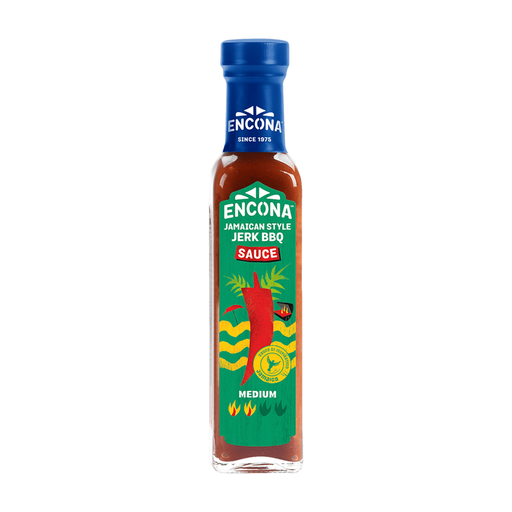
Why This Fits Their Persona: Designed for shoppers seeking Caribbean flavour and a hot, spicy profile for chicken, ribs and grilled vegetables.
The bottle identifies Scotch Bonnet pepper and gives a serving-based nutrition panel, making heat and portion awareness easier than relying on vague “spicy” wording.
142ml format; suitable for marinating, basting and dipping; no allergens are listed in the supplied product information.
We have compiled a complete, real-time list of products that fully satisfy these strict selection criteria and UK safety regulations.
Yes, provided the product instructions allow it. Many sauces can be used with beef, pork or chicken for 30 minutes or longer. Keep the food refrigerated while marinating, discard marinade that has contacted raw meat and cook the meat thoroughly. Sweet sauces are often easier to control when brushed on near the end of grilling.
The period varies by product. Some supplied instructions recommend refrigeration and use within a few weeks, while others state up to three months for quality. Follow the bottle or jar instructions, keep the lid sealed and use clean utensils. Do not use a product showing mould, unusual discolouration, an off odour or damaged packaging.
For a classic sticky coating, choose a chicken wing sauce or smoky BBQ sauce. Daisho Chicken Wing Sauce 80g is specifically supplied for coating fried or baked wings, while a jerk BBQ sauce adds Scotch Bonnet, allspice and thyme notes. Check salt, sugar and heat levels before adding extra seasoning.