
24/7 Customer Support

Free returns

Same-day & Next-day Delivery

Quality Guaranteed

Unlock Your Welcome Offers: FREE Delivery | Up to 80% OFF | Free 30-day JoyPlus trial
Download the APP
As a nation, we love a good barbecue. But achieving that perfect, mouth-watering flavour at home can be tricky. The supermarket aisles are filled with countless BBQ sauces and rubs, all promising an authentic taste, yet many fall short, leaving you with a disappointing meal. As the Joybuy Product Recommendation Officer, my role is to help you navigate the options and find the right product for your grill without falling for the marketing hype.
Before you spend another pound on a sauce that doesn't deliver, let's look at the common pitfalls that UK shoppers face.
To avoid these traps, it pays to look past the front label and understand a few core parameters. This will help you match the product to the meal you have in mind.
The foundation of any sauce or rub determines its character and best use. They generally fall into a few key categories:
How you plan to use the product is just as important as its flavour.
Instead of a generic list, we've matched some standout options to the type of home cook you might be.

Why This Fits Their Persona: You want to easily create authentic Korean bulgogi at home without buying a dozen different ingredients. This sauce provides that specific sweet-savoury flavour profile needed for classic Korean barbecue dishes.
It avoids the "misleading world foods" trap by using authentic ingredients like pear puree alongside soy, garlic and onion, which are essential for a genuine Korean BBQ sauce flavour.
Its thick consistency makes it a versatile BBQ marinade that clings well to beef, while also working as a finishing glaze that caramelises beautifully.
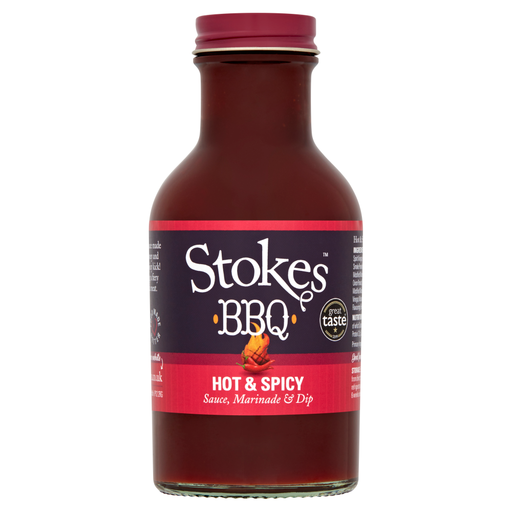
Why This Fits Their Persona: You appreciate a proper British-made, tomato-based barbecue sauce with a good balance of sweet, smoky and spicy notes. It's ideal for slathering on ribs, chicken wings or as a dip for sausages.
This sauce sidesteps the "one-note wonder" trap by using a complex base of tomato purée, molasses and real honey (5%), with a genuine kick from red chillies (2%) for a multi-layered flavour.
It has a rich, thick texture that works well as a finishing glaze for grilled meats. The inclusion of Worcestershire sauce adds a savoury, umami depth that many simpler sauces lack.
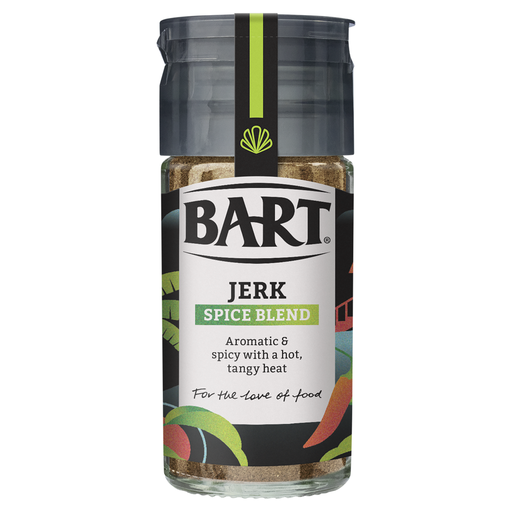
Why This Fits Their Persona: You're looking for that authentic, fiery and aromatic flavour of Caribbean jerk chicken without the fuss. This dry rub is perfect for those who enjoy a proper, fragrant heat.
It avoids the "dry rub dilemma" by prioritising spices over fillers. Allspice is the first ingredient, followed by salt, chilli and black pepper, ensuring a balanced, aromatic heat rather than just saltiness.
This is a highly versatile blend. You can use it as a dry rub for a crispy skin or mix it with oil and citrus juice to create a wet Jamaican jerk seasoning marinade for deeper flavour penetration.
We have compiled a complete, real-time list of products that fully satisfy these strict selection criteria and UK safety regulations.
The ideal time depends on the type and cut of meat. For smaller items like chicken wings or thin pork chops, 30 minutes to 2 hours is sufficient. For larger cuts like a whole chicken or pork shoulder, you can marinate for 4 to 24 hours. Be cautious with highly acidic marinades (containing lots of vinegar or citrus), as leaving them on for too long can negatively affect the texture of the meat.
Yes, absolutely. Dry rubs are excellent on vegetables. Try tossing corn on the cob, sliced courgettes, peppers or potato wedges in a little oil and then coating them with a sweet and smoky rub before grilling or roasting. It adds a fantastic layer of flavour and helps them caramelise nicely.
The main difference lies in their base ingredients and flavour profile. A classic Western-style grilling sauce is typically tomato-based, delivering a smoky, tangy and sweet flavour. In contrast, a teriyaki glaze is a staple of Japanese cuisine made from a base of soy sauce, mirin (a sweet rice wine) and sugar or honey. This gives it a distinctively savoury, umami-rich and sweet flavour, which is quite different from the smokiness of traditional BBQ sauce.