
24/7 Customer Support

Free returns

Same-day & Next-day Delivery

Quality Guaranteed

Unlock Your Welcome Offers: FREE Delivery | Up to 80% OFF | Free 30-day JoyPlus trial
Download the APP
Choosing BBQ sauces and seasonings is not simply a matter of picking the most colourful bottle or the hottest-looking label. UK shoppers often want authentic Caribbean, Korean, Cajun or international flavours, but product descriptions can make it difficult to compare heat, salt, allergens, pack size and intended use.
The right choice depends on how you cook. A sticky barbecue sauce may suit glazing ribs, while a dry BBQ seasoning is more convenient for roasting vegetables or preparing chicken. Before adding anything to your basket, check the following common pitfalls.
Many barbecue sauces contain sugar, syrup, molasses or fruit purées. These ingredients can create a glossy glaze and noticeable sweetness, but they may also caramelise quickly over direct heat. A sauce with a high sugar content is often better applied near the end of grilling or used as a table condiment rather than left over intense flames for a long period.
For example, the listed nutrition information for Grace Jamaican Style Jerk BBQ Sauce shows 25g of sugars per 100g, while Heinz Sticky Barbecue Sauce lists 39g per 100g. These figures do not determine taste, but they help you decide how and when to use the sauce.
Dry blends are concentrated, so a small quantity can season a large portion of food. Some products contain substantial amounts of salt: Dunns River Jamaican Jerk Seasoning lists 40g salt per 100g, and its All Purpose Seasoning lists 45g per 100g. This does not make them unsuitable, but it does mean they should be used sparingly and alongside other ingredients without automatically adding more salt.
Also check whether the blend includes monosodium glutamate or other flavour enhancers if this is relevant to your preferences.
Jamaican jerk seasoning, Korean BBQ sauce and Cajun seasoning each have distinctive flavour profiles. A jerk blend commonly includes pimento, thyme, chilli, garlic and onion. Korean sauces may use soy, red pepper paste, garlic, fruit purée or sesame. Cajun blends often feature paprika, cayenne, herbs and black pepper.
Read the suggested uses before buying. A product designed for pork may still work with other foods, but its balance of sweetness, spice and savouriness may be particularly suited to that ingredient.
Look beyond phrases such as “fiery” or “bold”. Check the actual chilli ingredient where available. Scotch bonnet chilli, cayenne, chilli powder and hot pepper paste can produce very different experiences.
For adjustable heat, a pure chilli powder such as RAJAH Spices Ground Extra Hot Chilli Powder allows you to add a small amount to marinades and spice blends. For a more rounded flavour, choose a blend containing aromatics such as garlic powder, onion, paprika, thyme or allspice.
Choose a sauce when you want moisture, glazing or dipping. Choose a dry rub when storage, portion control and versatility are priorities.
Always follow the label’s cooking instructions. A seasoning powder is not necessarily ready to eat, and raw marinades that have touched meat should not be served without being thoroughly cooked.
Under UK food labelling requirements, packaged foods should identify relevant allergens in the ingredients list or allergy advice. Common allergens in this category include wheat, soya, sesame, mustard, celery and sulphites.
For example, Grace Jamaican Style Jerk BBQ Sauce contains wheat and soya, while CJ BBQ Pork Sauce contains soya, wheat and sesame. Haepyo Sunchanggung Hot Pepper Paste also carries gluten-related allergy information. Check the physical packaging before consumption, particularly when buying for guests.
After opening, follow storage instructions carefully. Several sauces recommend refrigeration and use within a stated period, while dry seasonings should be sealed and kept away from moisture, heat and direct sunlight.
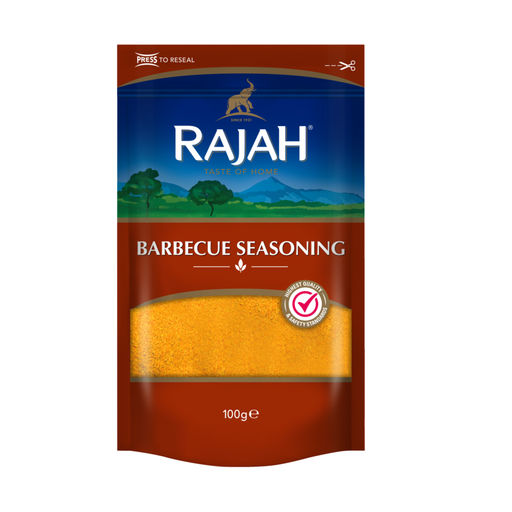
Why This Fits Their Persona: A 100g dry blend gives new BBQ cooks a straightforward way to season chicken, beef, lamb, seafood and vegetables without buying several individual spices.
Its ingredient list makes the blend easy to assess, including paprika, black pepper, garlic powder, onion powder and smoke flavourings. It also clearly identifies wheat and soya.
Dry format; suitable for grilling, roasting, stir-frying and marinating; 100g pack.
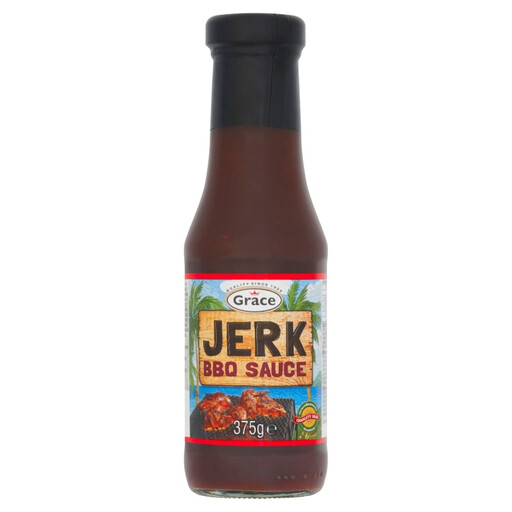
Why This Fits Their Persona: Suitable for shoppers seeking a ready-to-use Jamaican-style sauce for chicken, pork, ribs or vegetables, whether cooking on a barbecue or in a UK kitchen oven.
The listed ingredients specify Scotch Bonnet pepper, allspice, thyme and garlic, while the nutrition panel helps you account for its sugar and salt content.
Ready to use as a marinade, basting sauce or condiment; made in Jamaica; 375g bottle.
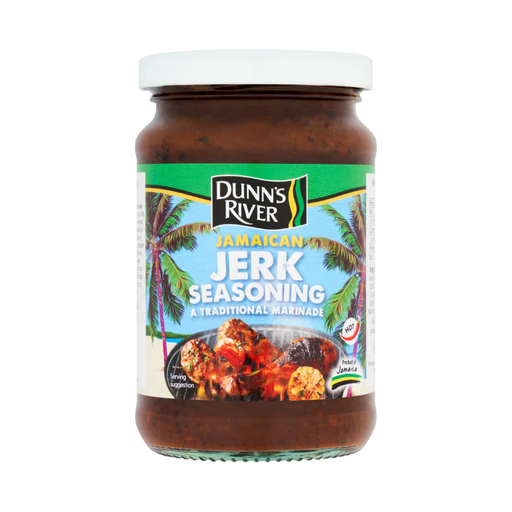
Why This Fits Their Persona: The larger jar suits regular barbecue users, family meal preparation and cooks who frequently make jerk chicken, pork, fish or vegetable dishes.
The 300g net quantity is clearly stated, helping high-frequency users compare pack size rather than judging value from the jar alone. The label also warns that it is high in salt.
Bulk 300g format; includes pimento, chilli, thyme, garlic and onion; suitable for rubs and marinades.
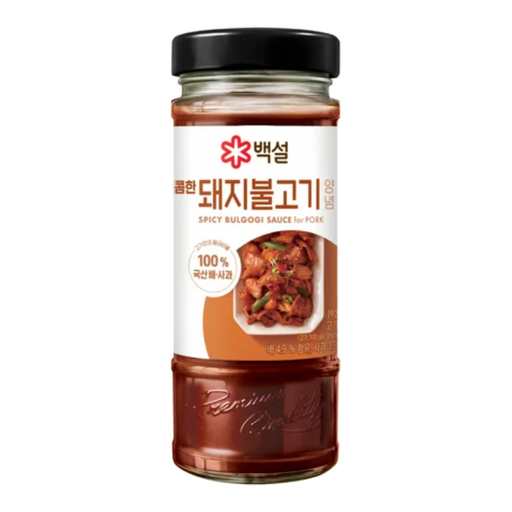
Why This Fits Their Persona: Designed for cooks who want a Korean-style marinade and glaze for pork belly, ribs, chops or stir-fries.
The product is specifically labelled for pork, and its ingredient list identifies red pepper paste, soy sauce, pear purée, apple purée, garlic and sesame allergens.
500g bottle; suitable for marinating, glazing and stir-frying; made in South Korea.
We have compiled a complete, real-time list of products that fully satisfy these strict selection criteria and UK safety regulations.
BBQ sauce is a liquid condiment used for marinating, basting, glazing or dipping. BBQ seasoning is usually a dry blend of salt, spices, herbs and flavourings used as a rub or cooking ingredient. A sauce adds moisture, while a seasoning offers more control over quantity and can be stored in a smaller cupboard space.
Check the manufacturer’s instructions rather than relying on a general time frame. Opened sauces may need refrigeration and use within several weeks. Dry spice blends should be tightly sealed and kept away from heat, light and moisture. Discard products if the packaging is damaged or the contents develop an unusual smell, colour or texture.
Usually, yes, provided the label lists those uses or the ingredients suit the dish. Jerk seasoning works with vegetables and fish, Cajun seasoning suits seafood, and Korean BBQ sauce can be used with tofu or stir-fried vegetables. Start with a small amount, especially when the blend is high in salt or contains extra-hot chilli.