
24/7 Customer Support

Free returns

Same-day & Next-day Delivery

Quality Guaranteed

Unlock Your Welcome Offers: FREE Delivery | Up to 80% OFF | Free 30-day JoyPlus trial
Download the APP
Choosing BBQ snacks and sauces can look simple until you compare smoky crisps, plant-based alternatives, meat snacks and international grilling sauces. Large packs are not always better value and a bold barbecue image does not tell you whether a product is ready to eat, suitable for marinating or appropriate for your dietary needs.
The following guide helps UK shoppers compare flavour, format, storage, allergens and intended use before buying.
Some products are ready-to-eat snacks, while others require cooking. Crisps, seaweed snacks, prawn crackers and vegetarian meat snacks can be eaten straight from the packet. By contrast, Korean BBQ sauce, Japanese yakiniku sauce and barbecue seasoning may be intended for marinating, glazing or cooking.
Check the usage instructions carefully. McCormick Korean Barbecue Seasoning, for example, is not ready to eat and must be mixed with water before use. Daisho Yakitori sauce is designed to be brushed onto food during grilling or roasting.
A 500g bottle may be practical for frequent cooking but wasteful if you only barbecue occasionally. Similarly, individually wrapped portions can be more convenient for lunchboxes or office snacks, while a large sharing bag may suit gatherings.
Compare the net weight, number of portions and storage period after opening rather than relying only on the headline pack size.
BBQ seasoning often includes soy sauce, wheat, sesame or mustard. Seafood products may contain fish or crustaceans, while plant-based snacks can still contain soybean or wheat.
Always read the current packaging, particularly if you have an allergy or are buying for children. Some barbecue snacks are also relatively high in salt, sugar or fat, so the per-100g panel is more useful than flavour-led descriptions.
Separate the products into three groups:
This prevents a common mistake: buying a sauce expecting a dip or buying a seasoning sachet expecting an instant snack.
Texture has a major effect on whether a product suits your occasion. Crisps and prawn crackers provide a light crunch, while BBQ meat snacks and pulled vegetarian snacks offer a chewier bite. Seaweed is lighter and can also be used as a rice, noodle or salad topping.
For parties, consider sharing formats such as 165g crisps or multi-pack snacks. For commuting, travel or work breaks, individually portioned products can help reduce mess and simplify storage.
Look for:
For example, CJ BBQ sauces contain soy and wheat, while Daisho sauces may also contain sesame. ADVANCE Honey BBQ Cook Pork should be refrigerated after opening and consumed promptly. Frozen kebabs must be cooked thoroughly and should not be refrozen after thawing.

Why This Fits Their Persona: A familiar sharing-style option for film nights, casual gatherings or a quick savoury snack without preparing a barbecue.
The product is clearly presented as a ready-to-eat BBQ-flavoured crisp, so there is no confusion with a cooking sauce or seasoning mix.
165g resealable tube; 156 kcal per 30g serving according to the supplied product information.
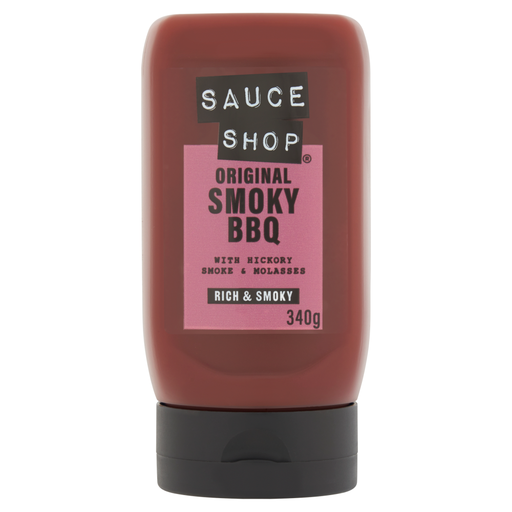
Why This Fits Their Persona: Suitable for shoppers wanting a UK-made-style pantry sauce for burgers, ribs, chicken, dipping or casual outdoor cooking.
Its stated uses cover ribs, chicken, beef and more, making the bottle more versatile than a sauce intended for one meat only.
340g bottle; contains mustard; refrigerate after opening and use within 12 weeks.

Why This Fits Their Persona: A larger-format choice for regular cooks preparing beef, pork, chicken, vegetables or rice dishes at home.
The instructions specify marinating, glazing and dipping, so one bottle can cover several cooking applications.
500g jar; contains soy and wheat; refrigerate immediately after opening.
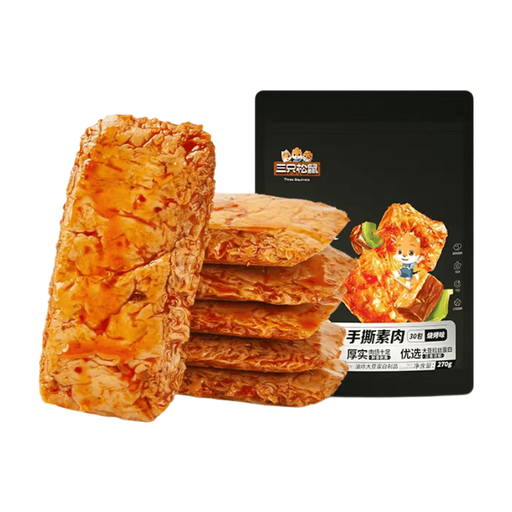
Why This Fits Their Persona: Designed for vegetarians, vegans and meat-reducers seeking a chewy barbecue snack for lunchboxes, travel or sharing.
The pack identifies soy pulled protein and states that it is ready to eat, rather than leaving the buyer to infer its format.
270g pack with 30 individual pieces; contains soybean; 17.8g protein per 100g according to the supplied information.
We have compiled a complete, real-time list of products that fully satisfy these strict selection criteria and UK safety regulations.
For seafood flavour, Taro BBQ Fish Snack and BBQ-flavoured prawn crackers offer a crisp texture with fish or prawn ingredients. Kimnori BBQ seaweed can be eaten alone or sprinkled over rice, noodles and salads.
For Japanese-style cooking, Daisho Yakiniku sauce provides a soy-based option for dipping or marinating, while Daisho Yakitori sauce is intended for brushing onto grilled chicken and other ingredients. For a meat snack, ADVANCE Honey BBQ Cook Pork is a compact 45g portion, but check its soy and wheat allergen information before buying.
Many are, including BBQ crisps, seaweed snacks, prawn crackers, konjac snacks and some cooked meat or vegetarian snacks. Sauces and dry seasoning mixes are different: check whether the label says ready to eat, marinade, glaze or cooking required.
This varies by product. Some bottles require refrigeration and should be used within a stated period, such as 12 weeks. Others advise using the sauce within four to six weeks or three months. Keep the container sealed, refrigerate when instructed and follow the date and storage guidance on the current packaging.
Choose a mixture of textures and formats: BBQ crisps or grills for sharing, prawn crackers or seaweed for lighter crunch and individually portioned vegetarian or meat snacks for convenient serving. Keep separate serving utensils available and display allergen information where possible.