
24/7 全天候客户支持

免费退货

当日/次日达

品质保障

开启新人专享福利: 全场免邮 | 低至 2 折 | 免费试用 30 天 JoyPlus 会员
下载 Joybuy
By Joybuy Product Recommendation Officer
Choosing a BCAA amino acid powder can seem straightforward until you compare serving sizes, amino acid ratios, electrolytes, sweeteners and flavour options. A low tub price may hide a small number of servings, while a long ingredient list does not automatically mean a more suitable formula.
For UK gym-goers, runners, bodybuilders and active adults, the practical question is not simply whether a powder contains BCAAs. It is whether the product matches your training routine, dietary preferences, hydration needs and budget.
BCAAs are L-leucine, L-isoleucine and L-valine. An EAA and BCAA powder may also include the other essential amino acids, while some products add glutamine or electrolytes.
A BCAA-only formula can be suitable for shoppers who specifically want these three amino acids. However, someone looking for broader amino acid coverage may prefer an amino acid recovery powder containing EAAs. Check the ingredient panel rather than assuming that “amino” means a complete formula.
A 500g tub may appear more economical than a 250g pack, but the serving size varies between formulas. One product may use 5g per serving, while another uses 10g or 13g.
Before buying, divide the total pack weight by the stated serving size. This gives a more useful estimate of servings and helps you compare the real cost of daily use.
Terms such as “recovery”, “endurance” and “reduced fatigue” describe intended product use, not guaranteed personal outcomes. Results can vary with diet, sleep, training load and overall fluid intake.
A BCAA supplement should complement a varied diet, not replace adequate protein, meals or water. Always follow the label directions and check the product information if you have allergies, take prescription medicines or have an underlying health condition.
The familiar BCAA 2:1:1 ratio provides twice as much leucine as isoleucine and valine. For example, a 5g serving may contain 2g of L-leucine, 1g of L-isoleucine and 1g of L-valine.
This ratio makes comparison easier, but the total amount per serving is equally important. Two products can both use a 2:1:1 ratio while delivering different quantities. Look for a clear nutritional table rather than relying only on front-of-pack wording.
If your priority is wider amino acid coverage, consider an EAA and BCAA powder. If you want a glutamine recovery supplement, check whether glutamine is listed separately and how much is supplied per serving.
For long runs, HIIT or sweaty gym sessions, an electrolyte amino acid powder may be more relevant. Applied Nutrition BCAA + Amino Hydrate formulas, for example, list sodium, potassium and magnesium alongside BCAAs and glutamine. These minerals do not make a drink a substitute for a balanced hydration plan, but their presence may suit intra-workout use.
Shoppers seeking a sugar-free amino acid supplement should check the carbohydrate and sugar values, as well as the sweeteners used. The products below list sweeteners such as sucralose or acesulfame K, depending on the formula and flavour.
Vegetarians and vegans should check the product-specific allergen statement. Some BCAA products are described as suitable for vegan diets, while others may state “may contain milk” or be manufactured where other allergens are handled. The label supplied with the product should always take priority.
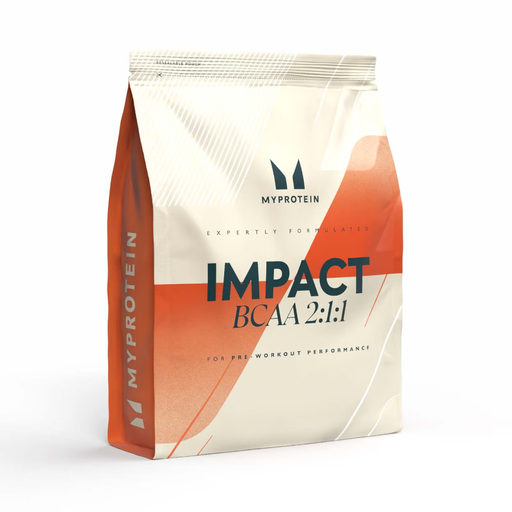
Why This Fits Their Persona: The 500g pack lists 100 servings at 5g each, making it practical for regular gym users who want to compare ongoing value before committing to daily use.
The label clearly states the 5g serving and 2:1:1 breakdown, reducing the risk of comparing pack sizes without checking actual usage.
Provides 2g leucine, 1g isoleucine and 1g valine per serving; described as suitable for vegetarians and vegans.
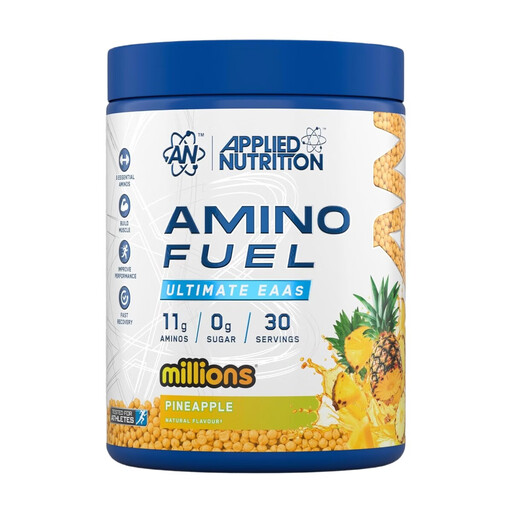
Why This Fits Their Persona: This suits shoppers who want a broader formula rather than BCAAs alone, particularly for a post-workout recovery drink or daily amino acid routine.
The ingredient list identifies EAAs, BCAAs and glutamine separately, so buyers can see the formula’s scope instead of relying on a general recovery claim.
Lists approximately 8g of amino acids per 10g serving and has a powder format intended for mixing with cold water.
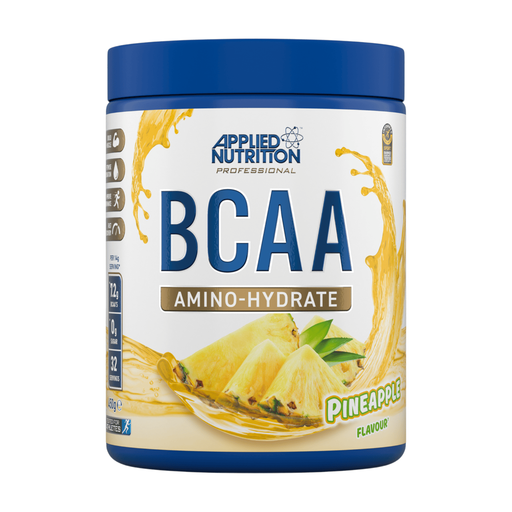
Why This Fits Their Persona: A suitable direction for endurance sessions, HIIT and high-intensity training where shoppers want amino acids combined with electrolyte ingredients.
It shows the electrolyte ingredients and approximate quantities, helping heavy users distinguish hydration support from a standard BCAA-only powder.
A 10g serving lists BCAAs, glutamine, sodium, potassium and magnesium; suitable for use before, during or after exercise.
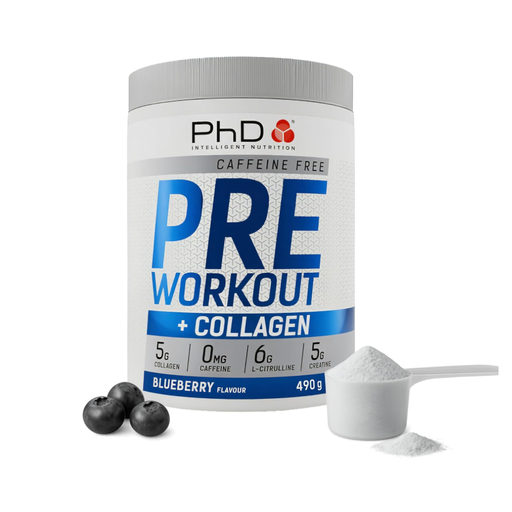
Why This Fits Their Persona: This is aimed at adults seeking a non-stimulant pre-workout powder for late sessions, rather than a BCAA-focused recovery drink.
The product is identified as caffeine-free and stimulant-free, so shoppers can distinguish it from conventional pre-workout products.
The listed formula includes L-citrulline, creatine monohydrate, beta-alanine and taurine; the label notes a 14g serving.
We have compiled a complete, real-time list of products that fully satisfy these strict selection criteria and UK safety regulations.
Follow the serving instructions on the individual label. Many products mix with 200–350ml of cold water, while larger EAA formulas may specify around 500ml. A shaker can help reduce clumping, but do not assume that a smooth texture indicates superior nutritional value.
Store the sealed tub in a cool, dry place away from sunlight and humidity. Check the best-before date, batch information and allergen statement each time you buy, as formulations and packaging can change.
Depending on the product instructions, it may be used before, during or after training. A hydration formula may fit intra-workout use, while a broader EAA, BCAA and glutamine product may suit a post-workout recovery drink. Timing should not replace regular meals and adequate fluids.
Some products are described as suitable for vegetarians and vegans, particularly certain BCAA-only powders. However, suitability can vary by flavour, manufacturing site and updated formulation. Check the exact product label and allergen information before purchase.
It depends on your diet, training routine and intended use. Compare amino acid amounts, servings per pack, electrolyte content, sweeteners and dietary suitability rather than tub price alone. For some shoppers, a simple BCAA formula is sufficient; others may prefer an EAA or glutamine-containing powder.