
24/7 全天候客户支持

免费退货

当日/次日达

品质保障

开启新人专享福利: 全场免邮 | 低至 2 折 | 免费试用 30 天 JoyPlus 会员
下载 Joybuy
If you are comparing BCAA recovery supplements, the choice can look deceptively simple. Powders, capsules and ready-to-drink cans may all promise support for muscle recovery, endurance or hydration, yet the actual formulas can differ significantly.
A lower price does not always mean poor value, and a longer ingredient list does not automatically make a product more suitable. The practical approach is to compare the amino acid quantities, serving format, added ingredients and usage instructions before buying.
A large scoop of powder may contain several amino acids, flavourings and electrolytes, but only part of that serving may be BCAAs. Check the amount of L-leucine, L-isoleucine and L-valine per serving, rather than relying on the tub size or phrases such as “high strength”.
A traditional 2:1:1 BCAA powder contains twice as much leucine as isoleucine and valine. For example, a 5g serving may provide 2g leucine, 1g isoleucine and 1g valine.
BCAAs mixed with water are not automatically an electrolyte drink. If you train for long periods, run outdoors or exercise in warm conditions, look for clearly listed sodium, potassium and magnesium. A BCAA with electrolytes may be more practical for intra-workout use than a simple amino acid powder, but the quantities still need checking.
A sugar-free amino acid drink can still contain caffeine or multiple sweeteners. Caffeine may be useful before training, but it may not suit late-evening sessions or people sensitive to stimulants. Also check allergen statements carefully: some products may contain or be made in facilities handling milk, soya, gluten, eggs or other allergens.
BCAA powder supplies three branched-chain amino acids: leucine, isoleucine and valine. It is a straightforward option for people who specifically want these nutrients before, during or after exercise.
EAA and BCAA powder contains the essential amino acids that the body cannot produce itself, often alongside BCAAs. This gives a broader amino acid profile. Some formulas also include glutamine, making them a glutamine recovery supplement for shoppers seeking a combined product rather than separate tubs.
The right choice depends on your existing diet and supplement routine. If you already consume adequate protein, adding a broad amino acid formula may duplicate ingredients found elsewhere. Compare the full label before purchasing.
Calculate the cost per serving, not simply the price of the container. The products below range from 250g to 500g tubs, with different serving sizes:
A larger tub may offer better convenience for frequent users, but only if you enjoy the flavour and can use it before the best-before date.
Powders are usually economical and easy to adjust with water or juice. Capsules avoid flavour and mixing, while cans are convenient for commuting, outdoor sessions or keeping in a gym bag.
For a vegan BCAA supplement, verify the product’s suitability and the allergen statement rather than assuming every unflavoured amino acid is vegan. Flavoured products may also contain sucralose, acesulfame K, colourings or anti-caking agents.
If you want an intra-workout supplement, prioritise mixability, flavour and hydration ingredients. For a pre-workout amino acids option, check whether caffeine is included. For a post-workout recovery supplement, compare amino acids with your overall protein and meal intake.
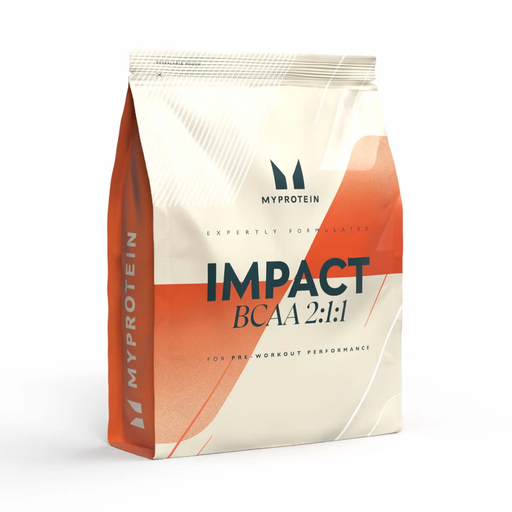
Why This Fits Their Persona: The 250g tub provides 50 servings of a simple 5g BCAA formula, making it a manageable starting point for UK gym-goers who want a flavoured powder without committing to a larger container.
The label states the quantities clearly: 2g leucine, 1g isoleucine and 1g valine per serving, rather than presenting only a broad blend.
Vegetarian- and vegan-suitable according to the listing; Peach & Mango flavour; mixes with water or juice.
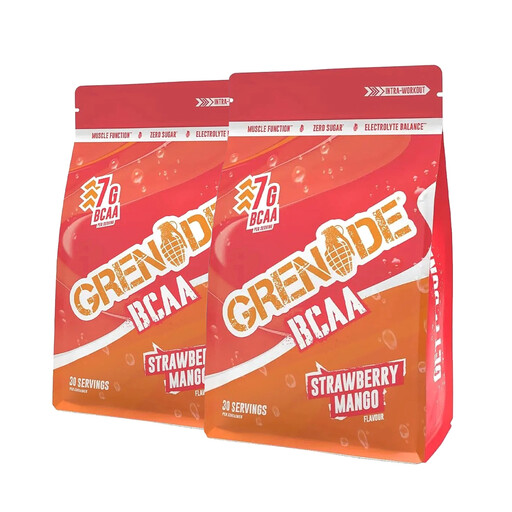
Why This Fits Their Persona: Suitable for active adults who value a defined serving and added features in one formula, particularly when training regularly and wanting a two-pack format.
The listing specifies 7g of BCAAs per 13g serving, zero sugar and the added ingredients, so shoppers can assess the formula rather than guess from the packaging.
Includes glutamine, magnesium and coconut water powder; listed as Informed-Sport certified; strawberry and mango flavour.
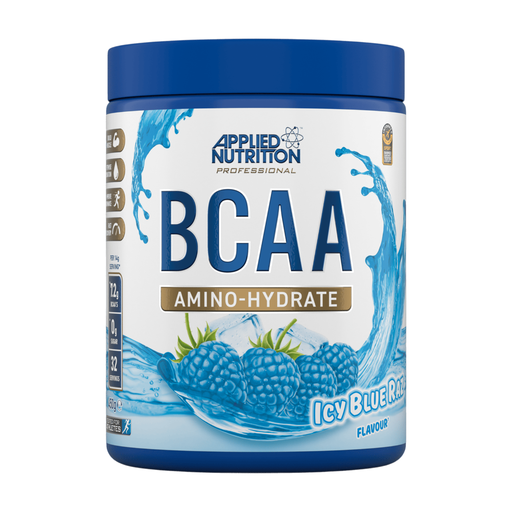
Why This Fits Their Persona: A practical match for runners, HIIT participants and people completing longer sessions who want amino acids and electrolytes in one drink.
It lists sodium, potassium and magnesium alongside the amino acids, avoiding the assumption that every BCAA drink provides meaningful electrolyte support.
450g powder; 10g serving; includes BCAAs, glutamine and electrolytes; suitable before, during or after exercise.
We have compiled a complete, real-time list of products that fully satisfy these strict selection criteria and UK safety regulations.
Follow the serving instructions on the product label and mix powders with the recommended volume of water. Do not treat a supplement as a replacement for varied meals, adequate fluids or rest. Products containing caffeine should be checked carefully before combining them with coffee, pre-workout products or energy drinks.
Food supplements are intended for adults unless the label states otherwise. If you are pregnant, breastfeeding, under 18, taking prescription medicines or managing a medical condition, seek advice from a qualified healthcare professional before use. Always check the current packaging for ingredients, allergens, dosage, storage instructions and best-before information.
Not necessarily. They can be a convenient way to add amino acids around training, but your overall protein intake and diet remain important. Compare the formula with what you already consume to avoid paying for overlapping ingredients.
Yes, many powders are designed for pre-, intra- or post-workout use. For longer or sweat-heavy sessions, a formula containing electrolytes may be more relevant than a plain BCAA powder. Follow the stated serving and hydration guidance.
A sugar-free product may still contain caffeine. Check the caffeine amount per can or serving before using it late in the day. If you want a non-stimulant option, choose a powder or drink without caffeine listed in the ingredients.