
24/7 Customer Support

Free returns

Same-day & Next-day Delivery

Quality Guaranteed

Unlock Your Welcome Offers: FREE Delivery | Up to 80% OFF | Free 30-day JoyPlus trial
Download the APP
Choosing between BCAA and EAA supplements can be confusing when product labels highlight ratios, rapid absorption, hydration, zero sugar and recovery support. The right choice depends less on colourful packaging and more on the amino acid profile, serving size and how you intend to use it.
For UK gym users, runners, HIIT participants and people following plant-based diets, a powder can be a convenient way to add amino acids around training. However, it should complement a varied, balanced diet rather than replace protein-rich meals.
A BCAA powder normally contains three branched-chain amino acids: leucine, isoleucine and valine. A common formulation is BCAA 2:1:1, meaning two parts leucine to one part each of isoleucine and valine.
An EAA powder, by contrast, includes all nine essential amino acids that the body cannot make itself. A product labelled EAA 4:1:1 may contain a higher proportion of BCAAs within a wider EAA blend, but the exact amounts still matter. Always check the nutrition panel rather than relying on the ratio printed on the front.
Zero sugar can be useful for calorie-conscious shoppers, but it does not automatically indicate that a formula suits every diet. Check:
Some products are made in facilities that also handle milk, soya or gluten. This is important for people with allergies or intolerances, even where the ingredient list does not directly include those allergens.
Electrolyte amino acids can be practical during longer, hotter or particularly sweaty training sessions. However, not every gym workout requires an added electrolyte formula. If hydration is your main priority, check the sodium, potassium and magnesium amounts per serving instead of assuming that an “amino hydrate” label indicates a meaningful electrolyte contribution.
For a targeted amino acid recovery supplement, a BCAA product may suit someone who specifically wants leucine, isoleucine and valine. An EAA product provides a broader amino acid profile and may be more appropriate if you want an essential amino acids supplement rather than three selected amino acids.
Look for the actual gram amounts per serving. For example, some products provide around 4g of BCAAs per 5g serving, while others provide 6g of BCAAs within a larger 13g serving that also includes the remaining EAAs.
Compare cost per serving, not only tub size. A 250g container may offer 50 servings at 5g each, while a 450g container may use a 10g serving. A larger pack is only more economical if you will use the product regularly and enjoy the flavour enough to finish it.
Also check the recommended daily intake. Some formulas are designed for one serving per day, while others permit more than one. Do not exceed the directions on the label.
Powders are useful as pre-workout amino acids, an intra-workout supplement or a post-workout recovery supplement, depending on the label directions and your routine. Consider whether you prefer:
A supplement’s flavour, mixability and serving volume can have a greater practical impact than a small difference in amino acid ratio.
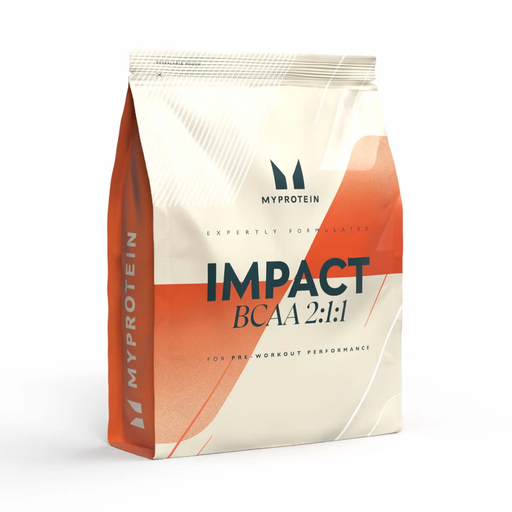
Why This Fits Their Persona: The 250g tub provides 50 servings at 5g per serving, making it a manageable option for people trying a BCAA powder without committing to a larger pack.
The label states the 2:1:1 BCAA ratio and gives the individual amounts: 2g leucine, 1g isoleucine and 1g valine per serving.
Peach and mango flavour; suitable for vegetarians and vegans according to the product information.
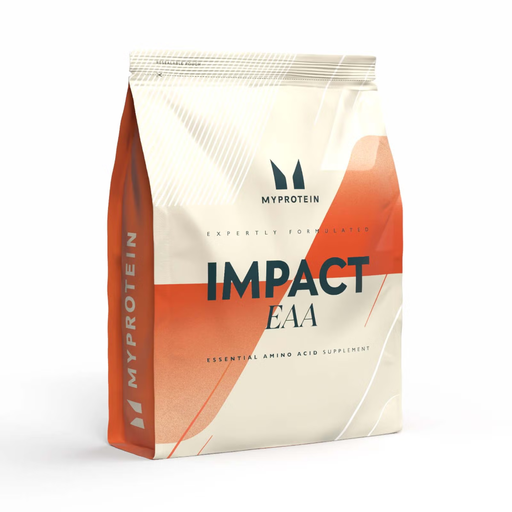
Why This Fits Their Persona: This option is aimed at shoppers who want all nine EAAs, a clearly stated 4:1:1 BCAA ratio and a light fruit flavour for use around training.
The product information lists each EAA and states zero calories, sugar and fat per serving, allowing easier comparison with other formulas.
Provides nine EAAs in a powder format; suitable for vegetarian and vegan diets according to the supplied product details.
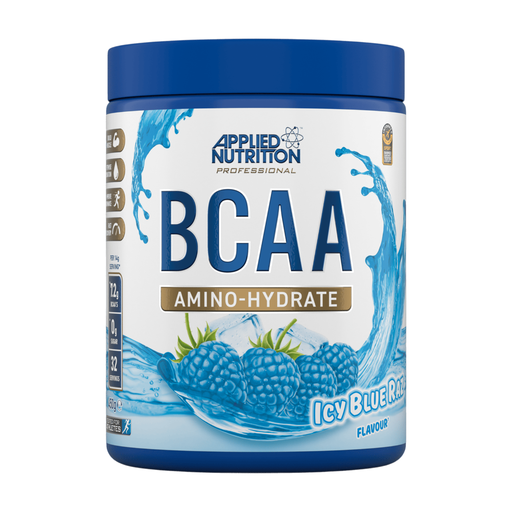
Why This Fits Their Persona: It is suited to longer gym, HIIT or endurance sessions where users want amino acids and electrolytes in the same drink.
The supplied information specifies sodium, potassium and magnesium alongside BCAAs, rather than using hydration language without listing electrolyte quantities.
A 450g tub; approximately 4 calories and 0g sugar per 10g serving, according to the supplied nutrition information.
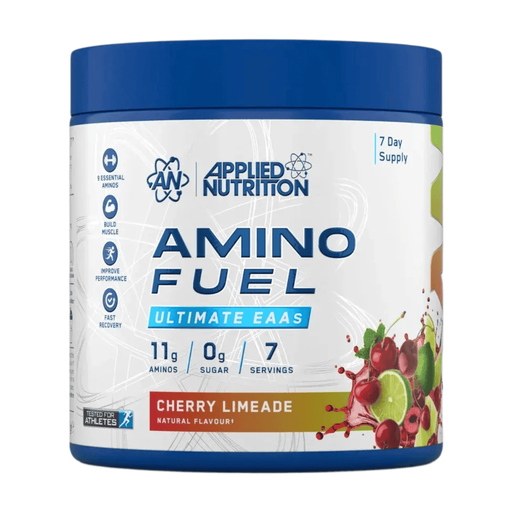
Why This Fits Their Persona: This compact option suits people who want a complete EAA blend with added glutamine for occasional training, travel or trial use.
Its serving information separates 9g of EAAs, 6g of 2:1:1 BCAAs and an additional 2.5g of L-glutamine, making the blend easier to assess.
Provides 11g of amino acids per stated serving; supplied in a 91g pack with Cherry Limeade flavour.
We have compiled a complete, real-time list of products that fully satisfy these strict selection criteria and UK safety regulations.
Some are, but this must be confirmed on the individual product page and label. Several products listed here state that they are suitable for vegans and vegetarians, while some carry a “may contain milk” or shared-facility warning. Check the allergen information before ordering.
The supplied products are generally labelled for use before, during or after exercise. Choose the timing that fits your routine and follow the stated serving instructions. For longer sessions, an electrolyte amino acids formula may be more practical than a plain BCAA powder, while an EAA powder may suit users seeking all nine essential amino acids.
This depends on pack size and serving quantity. A 250g product used at 5g per serving provides around 50 servings. A 450g product used at 10g per serving provides around 45 servings. Always calculate from the label rather than assuming that a larger tub contains more daily uses.